There’s something uniquely satisfying about a plate of fresh, homemade pasta. It’s a world away from the dried varieties, offering a delicate texture and a vibrant flavor that instantly transforms any meal. If you’ve ever dreamt of recreating that authentic Italian experience in your own kitchen, then finding the best home pasta maker is your first, exciting step. This guide will help you navigate the options, unlock the secrets of fresh pasta, and empower you to become a pasta maestro in your own right.
A Brief History of Pasta Makers: From Tradition to Innovation
The art of pasta making dates back centuries, with early methods involving simple rolling pins and knives to painstakingly create sheets of dough. As the love for pasta spread, particularly throughout Italy, the need for more efficient tools grew. The first mechanical pasta makers emerged in the 17th century, though they were primarily for commercial use. It wasn’t until the late 19th and early 20th centuries that more accessible, hand-cranked machines became staples in home kitchens, especially within Italian households. These manual devices revolutionized home pasta making, making it less laborious and more consistent. Today, technological advancements have brought us electric and stand mixer attachments, offering a spectrum of convenience without sacrificing the quality of fresh, homemade pasta.
Why Invest in a Home Pasta Maker? The Unrivaled Benefits
Owning the best home pasta maker isn’t just about convenience; it’s about transforming your culinary journey and enjoying a host of advantages that dried, store-bought pasta simply can’t offer.
Unmatched Freshness and Flavor
The most compelling reason to get a pasta maker is the unparalleled taste of fresh pasta. Unlike its dried counterpart, homemade pasta retains more moisture, resulting in a tender, chewy texture that perfectly absorbs sauces. The subtle, rich flavor of fresh eggs and high-quality flour shines through, making every bite a delightful experience.
Complete Control Over Ingredients
Making pasta from scratch puts you in the driver’s seat when it comes to ingredients. You can choose organic flours, experiment with different grains like semolina or whole wheat, and even incorporate fresh herbs or vegetable purees into your dough for added flavor and nutrition. This control is especially beneficial for those with dietary restrictions, allowing you to easily create gluten-free or egg-free versions. You’re also ensuring no preservatives or artificial additives make it onto your plate.
Cost-Effectiveness Over Time
While there’s an initial investment in a quality pasta maker, it can surprisingly be more economical in the long run. High-quality artisanal dried pasta can be expensive, and making your own with basic pantry staples like flour and eggs often costs significantly less per serving, especially if you enjoy pasta frequently.
A Culinary Adventure for the Whole Family
Pasta making can be a wonderfully interactive and fun activity. It’s a fantastic way to spend quality time with family, teaching children about cooking and the origins of their food. The process, from mixing dough to cranking out perfect sheets, offers a rewarding sense of accomplishment and a shared culinary adventure.
Decoding the Types of Home Pasta Makers
The market offers a variety of pasta makers, each with its unique charm and functionality. Understanding the differences will help you find the best home pasta maker for your needs.
Manual Pasta Makers: The Classic Choice
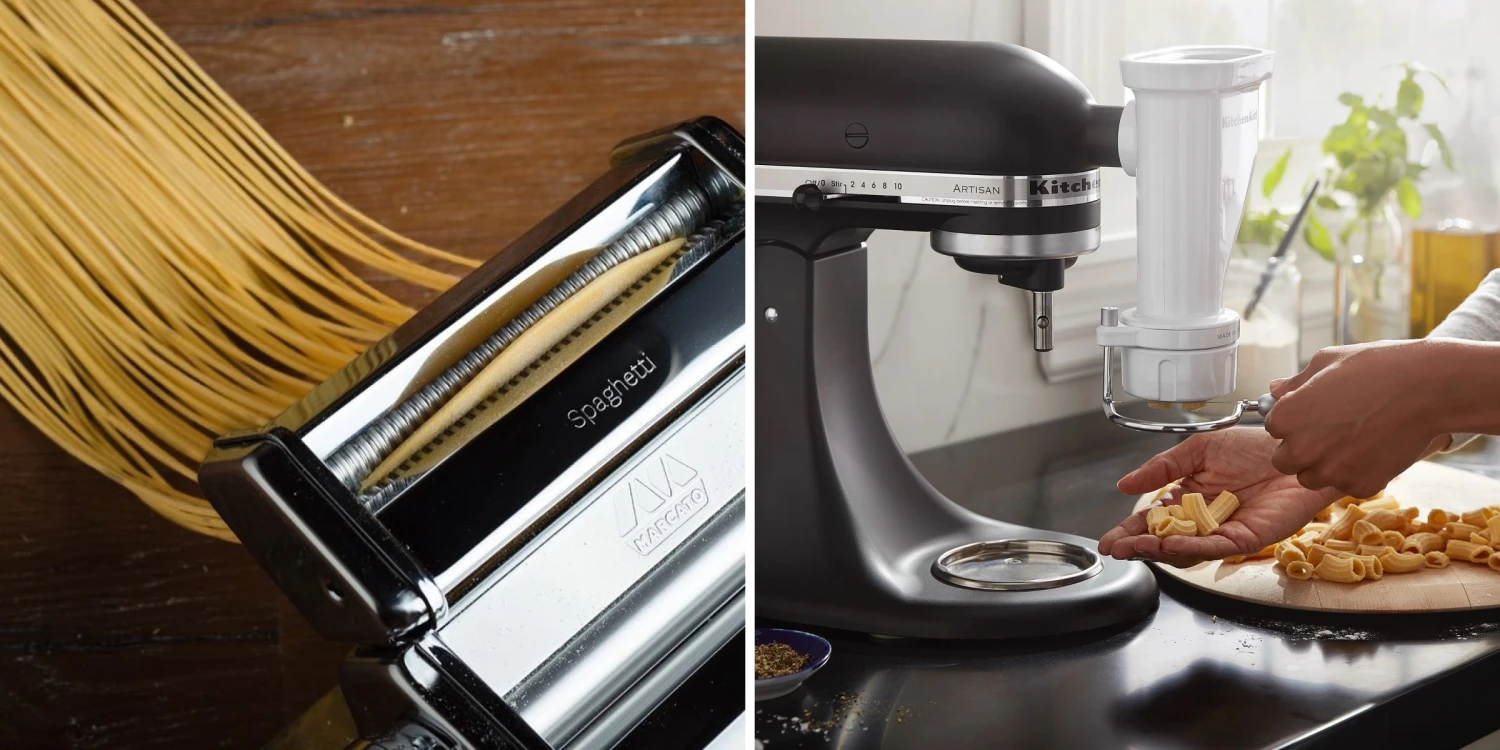
Manual pasta makers, often recognized by their sturdy clamp and hand-crank, are the traditionalists’ favorite. Models like the revered Marcato Atlas 150 Classic Stainless Steel Pasta Machine are celebrated for their durable construction and ability to roll dough into beautifully thin sheets with consistent thickness. They typically come with attachments to cut fettuccine and spaghetti, with additional cutters often available for purchase.
- Pros: Excellent control over dough thickness, durable, often more affordable, provides a satisfying hands-on experience, great for flat pasta like lasagna sheets and ravioli.
- Cons: Requires manual effort, can be slower, and usually makes limited pasta shapes.
- Best for: Enthusiasts who enjoy the process, those on a budget, and kitchens with limited counter space that appreciate a compact, easy-to-store tool.
Electric Pasta Makers: The Automated Solution
For those who prioritize speed and convenience, electric pasta makers are a game-changer. These machines automate the mixing, kneading, and extruding processes, delivering fresh pasta with minimal effort. The Philips Viva Collection Pasta and Noodle Maker, for example, is highly praised for its ability to produce various pasta shapes, including tubular forms like penne and rigatoni, thanks to interchangeable dies.
- Pros: Fast (some can make pasta in under 10 minutes), hands-off operation, wide variety of pasta shapes, ideal for beginners.
- Cons: Higher price point, can be bulkier, some models require specific dough recipes for optimal performance.
- Best for: Busy individuals or families, those who want a wider range of pasta shapes, and anyone looking for a more automated process.
Stand Mixer Attachments: Seamless Integration
If you already own a powerful stand mixer, attachments can transform it into a highly efficient pasta maker. The KitchenAid Pasta Roller & Cutter Attachment Set is a popular choice, leveraging your mixer’s motor to roll and cut pasta sheets. This option saves counter space and offers the convenience of electric power without needing a separate, full-sized appliance.
- Pros: Space-saving, utilizes existing kitchen appliance, electric operation, excellent for consistent flat sheets.
- Cons: Requires owning a compatible stand mixer, may be less versatile for extruded shapes than dedicated electric pasta makers.
- Best for: KitchenAid stand mixer owners, those with limited storage, and cooks who want electric assistance for rolling and cutting.
When considering which pasta maker is best for your home, think about your cooking style and the types of pasta you dream of creating. For instance, the Philips Viva Collection Pasta and Noodle Maker
|
Our Picks for the Best Pasta Maker in 2026
As an Amazon Associate I earn from qualifying purchases.
|
||
| Num | Product | Action |
|---|---|---|
| 1 | Electric Pasta Machine, Household Handheld Wireless Noodle Machine. A Homemade Noodle Machine With 10 Types Of Noodle Molds And 2 Types Of Enema Filling Nozzles |

|
| 2 | Antree Pasta Maker Attachment 3 in 1 Set for KitchenAid Stand Mixers Included Pasta Sheet Roller, Spaghetti Cutter, Fettuccine Cutter Maker Accessories and Cleaning Brush |
|
| 3 | Sailnovo Pasta Maker Machine, 180 Roller Pasta Maker, 9 Adjustable Thickness Settings 2-in-1 Noodles Maker with Rollers and Cutter, Perfect for Spaghetti, Fettuccini, Lasagna or Dumpling Skin Silver |
|
| 4 | NEWTRY Commercial Pasta Maker Machine Electric Dough Roller Noodle Making Machine with 2/6mm and 2.5mm Round Blade Thickness Adjustable for Fettuccine Pasta 110V |
|
| 5 | Pasta Maker Attachment for KitchenAid Stand Mixer, Pasta Maker Accessories Set Included Pasta Roller, Fettuccine Cutter, Spaghetti Cutter and Cleaning Brush, Homemade Fresh Noodles and Italian Cuisine |
|
| 6 | ISILER Pasta Maker, 9 Adjustable Thickness Settings 2 in 1 Pasta Machine with Rollers and Cutter, Noodle Maker for Dumpling Skin, Spaghetti, Fettuccini, Lasagna |
|
| 7 | Nuvantee Pasta Maker with 7 Adjustable Thickness Settings - 2 in 1 Noodle Maker with Rollers and Cutter, Make Spaghetti, Fettuccini, Lasagna, & More |
|
| 8 | MARCATO Made in Italy Atlas 150 Classic Manual Pasta Maker Machine, Chrome Steel with Black Hand Crank. Makes Lasagna, Fettuccine & Tagliolini. |
|
| 9 | Sailnovo Pasta Maker Machine, 180 Roller Pasta Maker, 9 Adjustable Thickness Settings 2-in-1 Noodles Maker with Rollers and Cutter, Perfect for Spaghetti, Fettuccini, Lasagna or Dumpling Skin Red |
|
| 10 | Imperia Pasta Maker Machine- 100% Made in Italy, Heavy Duty Steel Construction, Easy Lock Dial, Wood Grip Handle & Cleaning Brush- Fresh Homemade Italian Spaghetti Fettuccine or Lasagna (Classic Line) |
|
Choosing Your Perfect Pasta Companion: Key Factors to Consider
Selecting the best home pasta maker involves weighing several factors to ensure it aligns with your culinary aspirations and kitchen lifestyle.
Budget
Pasta makers range widely in price. Manual machines are generally more affordable, while electric extruders and premium stand mixer attachments represent a higher investment. Determine what you’re willing to spend without compromising on quality for your needs.
Desired Pasta Types
Are you dreaming of delicate fettuccine and wide lasagna sheets, or do you crave unique shapes like penne, rigatoni, and fusilli? Manual rollers excel at flat pastas, while electric extruders offer a broader range of shapes through interchangeable dies.
Ease of Use & Cleaning
Consider how much effort you want to put in. Manual machines require more physical input, while electric ones do most of the work. Cleaning is also a crucial factor; look for models with easily detachable parts and surfaces that are simple to wipe clean. Remember, most pasta makers should never be immersed in water.
Kitchen Space
If counter and storage space are at a premium, a compact manual machine or a stand mixer attachment might be ideal. Larger electric machines will demand more dedicated space.
Manual vs. Electric Preference
This is a personal choice. Do you enjoy the hands-on, traditional process, or do you prefer the speed and convenience of automation? There’s no right or wrong answer, only what feels best for you.
Mastering Your Machine: A Step-by-Step Guide to Fresh Pasta
Once you have your best home pasta maker, making fresh pasta is a rewarding process that quickly becomes intuitive. Here’s a basic guide:
Preparing Your Dough
Start with a simple dough: flour (typically ’00’ flour or all-purpose), eggs, and a pinch of salt. Mix the ingredients until a shaggy dough forms, then knead it by hand or in a stand mixer until smooth and elastic, about 8-10 minutes. Wrap the dough tightly in plastic wrap and let it rest at room temperature for at least 30 minutes. This resting period is crucial as it allows the gluten to relax, making the dough much easier to roll.
Setting Up Your Pasta Maker
Secure your pasta maker firmly to a sturdy countertop or table using its built-in clamp. For electric models or stand mixer attachments, ensure it’s properly assembled and plugged in.
Rolling the Dough to Perfection
- Divide and Flatten: Cut a portion of your rested dough and flatten it into a rough rectangle with your hands. Keep the remaining dough covered.
- Widest Setting: Set your pasta maker to its widest thickness setting (usually ‘1’ or the highest number on the dial for the thickest setting).
- First Pass: Lightly dust the dough with flour. Feed the dough through the rollers while steadily turning the crank (for manual machines) or powering the motor (for electric/attachments). Catch the sheet as it emerges.
- Fold and Repeat: Fold the dough sheet into thirds, like a letter, and gently flatten it again. Turn it 90 degrees and pass it through the widest setting once more. Repeat this folding and passing 4-5 times. This “kneads” the dough further and helps create a smooth, even sheet. Lightly flour if the dough becomes sticky.
- Gradually Thin: Now, begin to decrease the thickness setting one notch at a time. Pass the dough through each setting once or twice, guiding it as it lengthens. Do this until you reach your desired pasta thickness. For most pasta, settings 4-6 on a manual machine are ideal; thinner settings are better for delicate stuffed pastas.
Cutting Your Favorite Shapes
Once your pasta sheets are rolled to the desired thickness, attach the cutting attachment for your chosen pasta shape (e.g., fettuccine or spaghetti). Lightly flour the sheet again to prevent sticking, then feed it through the cutter, catching the freshly cut noodles as they emerge. Lay the noodles on a floured surface or hang them on a pasta drying rack to prevent them from sticking together while you finish the rest of the dough.
Beyond the Basics: Italian Pasta Varieties to Create
With your best home pasta maker, a world of Italian pasta varieties opens up to you.
Flat Pasta
Roller-style pasta makers are perfect for creating flat pasta forms:
- Fettuccine & Tagliatelle: Classic ribbons, great with creamy or meat sauces.
- Lasagna: Wide, thin sheets for layered baked dishes.
- Pappardelle: Broad, flat noodles, excellent with hearty ragùs.
- Ravioli & Tortellini: Square or ring-shaped filled pastas require perfectly rolled sheets, often made with a ravioli attachment or by hand-filling cut squares.
Extruded Shapes
Electric pasta makers with dies excel at more complex, extruded shapes:
- Spaghetti: The universally loved long, round strands.
- Penne: Tube-shaped pasta with angled ends, perfect for robust sauces.
- Rigatoni: Larger, ridged tubes that capture sauce beautifully.
- Bucatini: Thick spaghetti with a hole running through the center, fantastic for absorbing rich sauces.
Crafting the Perfect Pair: Simple Sauce Recipes for Homemade Pasta
Homemade pasta truly shines when paired with a complementary sauce. Here are a few classics to get you started:
Classic Marinara
A simple marinara sauce allows the fresh pasta to be the star. Sauté garlic and onions, add crushed tomatoes, a touch of basil, and simmer until slightly thickened. It’s light, fresh, and highlights the pasta’s delicate texture.
Creamy Alfredo
For a richer experience, a classic Alfredo sauce is a perfect match. Melt butter, whisk in heavy cream, and gradually add grated Parmesan cheese until smooth and velvety. Toss with hot fettuccine for an indulgent dish.
Pesto
Fresh pesto offers a vibrant, herbaceous flavor. Blend fresh basil leaves, pine nuts, garlic, Parmesan cheese, and olive oil until smooth. This bright, uncooked sauce is quick to make and complements any pasta shape.
Nurturing Your Investment: Cleaning and Maintenance Tips
To ensure your best home pasta maker continues to perform flawlessly for years, proper cleaning and maintenance are essential. “Treat your pasta maker with care, and it will repay you with countless delicious meals,” advises Chef Isabella Rossi, a renowned expert in Italian cuisine and home cooking.
The Golden Rule: Dry Cleaning is Key
Most pasta makers, especially manual ones, should never be immersed in water or put in the dishwasher. Moisture can cause rust in metal components and damage internal mechanisms.
Step-by-Step Cleaning
- Detach Removable Parts: After each use, remove the crank, clamp, and any cutting attachments.
- Allow to Dry Slightly: Let any residual dough on the rollers and cutters air dry for about 15-30 minutes. This makes it easier to remove.
- Brush Away Dough: Use a dry, stiff-bristled brush, a toothpick, or even a soft paintbrush to gently dislodge and remove any dried dough or flour particles from the rollers, cutters, and crevices. Many sources suggest running a piece of polymer clay or Play-Doh through the rollers to pick up stubborn bits of residue.
- Wipe Exterior: Use a slightly damp cloth to wipe down the exterior surfaces of the machine.
- Dry Thoroughly: Immediately after wiping, use a clean, dry, lint-free cloth to thoroughly dry every part of the machine. Ensure no moisture remains, especially on stainless steel components, to prevent rust.
Storage for Longevity
Store your clean, dry pasta maker in a cool, dry place. The original box or a protective cover can help keep it dust-free. Avoid placing heavy objects on top of it. If you notice any squeaking during use, a tiny drop of food-grade mineral oil on the roller shafts can help maintain smooth operation.
Frequently Asked Questions About Home Pasta Makers
Is a pasta maker worth it for casual cooks?
Absolutely! Even if you only make fresh pasta occasionally, the superior taste and the enjoyable process make it a worthwhile investment. It transforms a simple meal into a special occasion.
How long does homemade pasta last?
Fresh, uncooked pasta can typically be stored in the refrigerator for 1-2 days. For longer storage, it can be frozen for up to a month (or even longer if properly sealed) or dried thoroughly for several weeks.
Can I use gluten-free flour in a pasta maker?
Yes, many gluten-free flour blends can be used successfully in pasta makers. You might need to adjust the water content slightly to achieve the right dough consistency, as gluten-free flours behave differently.
What’s the best way to dry fresh pasta?
For short-term drying (a few hours), you can dust the noodles with flour and lay them on a clean kitchen towel or hang them on a pasta drying rack. For longer storage, ensure the pasta is completely dry and brittle before storing in an airtight container.
Are manual pasta makers hard to use?
While they require a bit more manual effort, manual pasta makers are surprisingly user-friendly after a short learning curve. Many find the process therapeutic and enjoyable. Having a second person to help crank and guide the dough can make it even easier, especially for longer sheets.
Conclusion
Choosing the best home pasta maker is an investment in culinary joy. Whether you opt for a traditional manual machine, a convenient electric extruder, or a versatile stand mixer attachment, the reward is always the same: incredibly fresh, flavorful pasta that elevates any meal. Embrace the tradition, experiment with new shapes and ingredients, and savor the rewarding experience of creating delicious, homemade pasta from scratch. It’s more than just a kitchen appliance; it’s a gateway to authentic Italian flavors and unforgettable culinary adventures right in your own home.