Picture this: the aroma of fresh pasta filling your kitchen, its silken strands ready to embrace a vibrant sauce. This culinary dream is effortlessly within reach, especially with a trusty Marcato pasta maker by your side. For generations, this iconic Italian machine has been the secret weapon of home cooks and professional chefs alike, transforming simple ingredients into extraordinary meals. If you’ve ever yearned to create authentic pasta that rivals nonna’s, understanding the history, functionality, and undeniable charm of the Marcato pasta maker is your first delightful step.
The journey of the modern pasta maker began in 1930 when Otello Marcato, a visionary craftsman, started making rudimentary rolling machines in a small workshop behind his home in Italy’s Padua region. He would deliver these ingenious devices to local families by bicycle, spreading the joy of homemade pasta one household at a time. This passion quickly blossomed, leading to the establishment of the first Marcato factory in 1938. The company’s unwavering commitment to quality and Italian craftsmanship quickly set it apart, culminating in the launch of its most celebrated model, the Marcato Atlas 150, in 1965. This machine has since become an international symbol of good food, creativity, and the simple pleasure of eating well, with Marcato products now available in over 80 countries worldwide.
Why Every Kitchen Needs a Marcato Pasta Maker
While a rolling pin might seem like a traditional tool for pasta, a dedicated pasta maker, particularly a Marcato, offers unparalleled advantages. First and foremost, it ensures consistently thin sheets of dough, which is crucial for even cooking. Different pasta shapes also require specific thicknesses, a precision that a rolling pin simply can’t match. Moreover, working with dough can be a race against time, as it dries quickly when exposed to air. A Marcato pasta maker significantly speeds up the process, allowing you to create beautiful pasta sheets before your dough loses its ideal texture.
Beyond efficiency, owning a Marcato pasta maker is an investment in quality and culinary exploration. Its robust construction and thoughtful design make pasta-making a joyful rather than a daunting task. The pleasure of feeding flour and eggs into a machine and watching perfect sheets emerge is incredibly satisfying, fostering a deeper connection to the food you prepare.
A Deep Dive into the Marcato Atlas 150: An Icon of Italian Craftsmanship
The Marcato Atlas 150 is more than just a kitchen appliance; it’s a testament to enduring design and superior engineering. What makes this particular model a perennial favorite?
Firstly, its durability is legendary. Made primarily from chrome-plated steel with anodized aluminum rollers and cutters, the Atlas 150 is built to last a lifetime. Marcato even offers a 10-year warranty against manufacturing defects, a clear sign of their confidence in its construction. Unlike some competitors, Marcato’s colored machines feature hues infused directly into the anodized aluminum, ensuring they won’t chip, scrape, or fade over time.
“The Marcato Atlas 150 is truly the benchmark for manual pasta makers,” says Chef Lorenzo Bianchi, a renowned Italian culinary instructor. “Its simplicity of use combined with its robust build quality means it’s a tool you’ll pass down through generations, just like the recipes.”
Ease of use is another hallmark. The machine securely clamps to your countertop, providing exceptional stability. Its intuitive dial allows for precise thickness adjustments, with nine settings ranging from 0 (4.8mm) to 9 (0.6mm). This versatility enables you to create everything from thick lasagna noodles to delicate sheets for ravioli. The rollers are also designed with small shoulder rings to prevent flour from getting inside, minimizing jamming and ensuring perfectly straight pasta sheets.
The Atlas 150 typically comes equipped with a duo cutter that allows you to effortlessly transform pasta sheets into two classic shapes: wide fettuccine and narrower tagliolini. This 2-in-1 cutter streamlines the process, ensuring consistent noodle width every time. While you can attach various accessories for other shapes like ravioli, spaghetti, or even reginette, the core machine excels at rolling and cutting these fundamental Italian staples.
Mastering Your Marcato: A Step-by-Step Guide
Using your Marcato pasta maker is incredibly straightforward, even for first-timers.
- Secure Your Machine: Attach your Marcato Atlas 150 firmly to a sturdy table or countertop using the included clamp. Ensure it’s stable and won’t wobble during use.
- Prepare Your Dough: Start with a well-kneaded pasta dough. Divide it into manageable, flattened portions that are easy to feed into the machine.
- Initial Rolling: Set the thickness dial to its widest setting (usually ‘0’ or ‘1’). Feed a piece of dough through the smooth rollers, cranking the handle steadily. Fold the dough in half, flatten it slightly, and feed it through again. Repeat this several times (5-7 times) until the dough is smooth and elastic. This acts as a final kneading stage.
- Gradual Thinning: Begin to adjust the dial to progressively thinner settings, feeding the dough through each setting once or twice. For most pasta types, you’ll want to reach settings 6 or 7, but this depends on the recipe. Remember to flour your dough lightly if it becomes sticky.
- Cut Your Pasta: Once your sheet is at the desired thickness, attach the cutter attachment to your machine. Feed the pasta sheet through the appropriate slot for either fettuccine or tagliolini, catching the freshly cut strands as they emerge.
- Dry or Cook: Lay your freshly cut pasta on a floured surface, a pasta drying rack, or a clean kitchen towel to dry slightly before cooking. This prevents sticking and helps them hold their shape.
Keeping Your Marcato in Prime Condition
Maintaining your Marcato pasta maker is refreshingly simple, ensuring it serves you for decades.
- Never Wash with Water: The golden rule of Marcato maintenance is to avoid submerging it in water or washing it in a dishwasher. Water can cause rust and damage the internal mechanisms.
- Brush and Scrape: After each use, allow any residual dough to dry completely. Then, use a stiff brush or a wooden skewer to gently remove all dried dough fragments from the rollers and cutters.
- Clean with a Cloth: Wipe the exterior of the machine with a clean, dry cloth.
- Store Properly: Store your Marcato pasta maker in its original box or a dry cupboard to protect it from dust and moisture.
Beyond Basic Noodles: The World of Pasta Possibilities
With a Marcato pasta maker, your culinary canvas expands significantly. While fettuccine and tagliolini are fantastic starting points, consider exploring:
- Lasagne: Roll out extra-wide, thin sheets for delicate, layered lasagne.
- Ravioli & Tortellini: With a ravioli tablet attachment, you can create perfectly proportioned, stuffed pasta.
- Pappardelle: Manually cut wider strips from your rolled sheets for this hearty noodle.
- Guitar Pasta (Chitarra): While specialized machines exist, you can simulate a similar texture by pressing sheets through a coarse wire frame for square-edged spaghetti.
Perfect Pairings: Sauces to Complement Your Homemade Pasta
The beauty of homemade pasta lies in its ability to elevate even the simplest sauces. Here are a few ideas to get your creative juices flowing:
- Classic Aglio e Olio: A timeless combination of garlic, olive oil, and a hint of chili flakes perfectly highlights the fresh pasta.
- Pesto Genovese: The vibrant flavors of basil, pine nuts, Parmesan, and olive oil cling beautifully to fettuccine.
- Simple Tomato Sauce: Utilize peak-season tomatoes, fresh basil, and a touch of garlic for a light yet incredibly flavorful sauce.
- Creamy Mushroom Sauce: Earthy mushrooms sautéed with garlic and deglazed with white wine, finished with a touch of cream, make a luxurious pairing.
Frequently Asked Questions about Marcato Pasta Makers
What is the difference between a manual and an electric pasta maker?
A manual Marcato pasta maker, like the Atlas 150, relies on a hand crank to operate the rollers. An electric pasta maker uses a motor to automate the rolling and cutting process, offering convenience but often at a higher cost. Manual models provide a more traditional, hands-on experience.
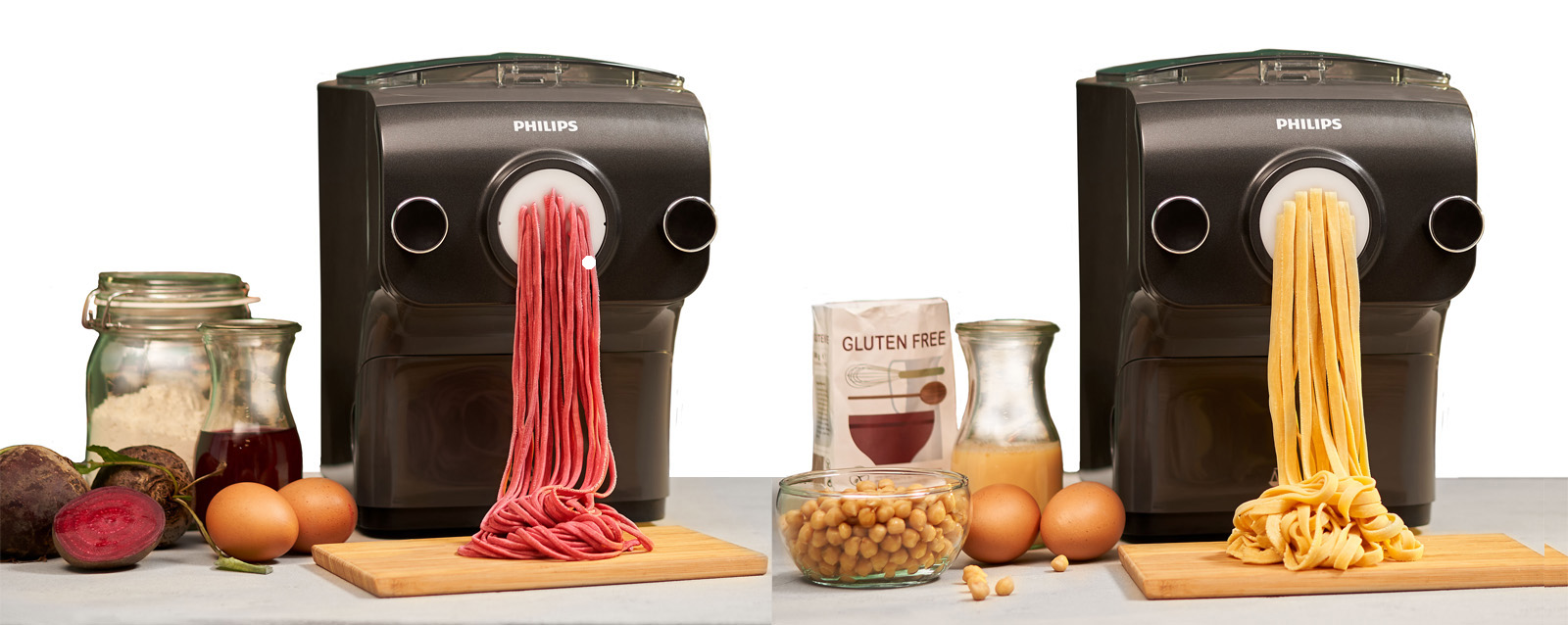
Can I make gluten-free pasta with my Marcato Atlas 150?
Yes, you can certainly make gluten-free pasta with your Marcato Atlas 150. The machine works equally well with various dough types, as long as they have the correct consistency for rolling and cutting. Adjust your gluten-free flour blend and hydration as needed.
What does “anodized aluminum rollers” mean?
Anodized aluminum refers to a process where the aluminum surface is electrochemically treated to create a thick, protective oxide layer. In Marcato pasta makers, this makes the rollers incredibly durable, resistant to corrosion, and prevents any heavy metals from leaching into your pasta dough, ensuring food safety.
How often should I clean my Marcato pasta maker?
You should clean your Marcato pasta maker thoroughly after every use. Allowing dough to dry and harden inside the machine can make it difficult to remove later and potentially affect performance. Always remember to use dry cleaning methods only.
Are Marcato pasta makers still made in Italy?
Yes, Marcato proudly manufactures all its pasta makers and accessories in its factory in Campodarsego, in the province of Padua, Italy. This commitment to “Made in Italy” ensures the brand’s legendary quality and craftsmanship are maintained.
The Lasting Legacy of Handmade Pasta
Embracing the Marcato pasta maker is more than just buying a kitchen gadget; it’s adopting a culinary philosophy deeply rooted in tradition, quality, and the sheer joy of creation. From its humble beginnings in Otello Marcato’s workshop to its status as a global kitchen icon, the Marcato Atlas 150 continues to empower home cooks to connect with their food and savor the unparalleled taste of freshly made pasta. So, dust off that apron, gather your simple ingredients, and let your Marcato pasta maker guide you on a delicious journey into the heart of Italian cuisine. The perfect plate of pasta awaits!
|
Our Picks for the Best Pasta Maker in 2026
As an Amazon Associate I earn from qualifying purchases.
|
||
| Num | Product | Action |
|---|---|---|
| 1 | Sailnovo Pasta Maker Machine, 180 Roller Pasta Maker, 9 Adjustable Thickness Settings 2-in-1 Noodles Maker with Rollers and Cutter, Perfect for Spaghetti, Fettuccini, Lasagna or Dumpling Skin Red |

|
| 2 | Pasta Maker Attachment for KitchenAid Stand Mixer, Pasta Maker Accessories Set Included Pasta Roller, Fettuccine Cutter, Spaghetti Cutter and Cleaning Brush, Homemade Fresh Noodles and Italian Cuisine |
|
| 3 | Sailnovo Pasta Maker Machine, 180 Roller Pasta Maker, 9 Adjustable Thickness Settings 2-in-1 Noodles Maker with Rollers and Cutter, Perfect for Spaghetti, Fettuccini, Lasagna or Dumpling Skin Silver |
|
| 4 | Nuvantee Pasta Maker with 7 Adjustable Thickness Settings - 2 in 1 Noodle Maker with Rollers and Cutter, Make Spaghetti, Fettuccini, Lasagna, & More |
|
| 5 | ISILER Pasta Maker, 9 Adjustable Thickness Settings 2 in 1 Pasta Machine with Rollers and Cutter, Noodle Maker for Dumpling Skin, Spaghetti, Fettuccini, Lasagna |
|
| 6 | Electric Pasta Machine, Household Handheld Wireless Noodle Machine. A Homemade Noodle Machine With 10 Types Of Noodle Molds And 2 Types Of Enema Filling Nozzles |
|
| 7 | Imperia Pasta Maker Machine- 100% Made in Italy, Heavy Duty Steel Construction, Easy Lock Dial, Wood Grip Handle & Cleaning Brush- Fresh Homemade Italian Spaghetti Fettuccine or Lasagna (Classic Line) |
|
| 8 | MARCATO Made in Italy Atlas 150 Classic Manual Pasta Maker Machine, Chrome Steel with Black Hand Crank. Makes Lasagna, Fettuccine & Tagliolini. |
|
| 9 | NEWTRY Commercial Pasta Maker Machine Electric Dough Roller Noodle Making Machine with 2/6mm and 2.5mm Round Blade Thickness Adjustable for Fettuccine Pasta 110V |
|
| 10 | Antree Pasta Maker Attachment 3 in 1 Set for KitchenAid Stand Mixers Included Pasta Sheet Roller, Spaghetti Cutter, Fettuccine Cutter Maker Accessories and Cleaning Brush |
|