Imagine biting into a forkful of perfectly al dente pasta, its delicate texture and rich flavor far surpassing anything from a box. This isn’t just a dream reserved for Italian nonnas or Michelin-star chefs; it’s an accessible reality for anyone with a pasta maker machine. This indispensable kitchen tool transforms simple ingredients like flour and eggs into culinary magic, opening a world of fresh, homemade pasta possibilities right in your own kitchen. Whether you’re a seasoned cook or just starting your culinary adventure, a reliable pasta maker machine is your ticket to elevating everyday meals into extraordinary dining experiences.
The Enduring Legacy: A Brief History of the Pasta Maker Machine
The art of pasta making is steeped in tradition, originating in Italy centuries ago. For generations, pasta was made entirely by hand, a laborious process of kneading, rolling with a long pin, and meticulously cutting dough. While undeniably authentic, this method required immense skill, time, and physical exertion. The invention of the pasta maker machine revolutionized this ancient craft, making it more efficient and accessible to households everywhere. Companies like Marcato, founded in Italy in 1930, have championed this tradition, perfecting the design of these machines over nearly a century, turning a challenging task into an enjoyable and rewarding one.
Why a Pasta Maker Machine is a Game Changer: Unleashing Culinary Creativity and Health Benefits
Owning a pasta maker machine isn’t just about adding another gadget to your kitchen; it’s about embracing a lifestyle of healthier eating, unparalleled flavor, and creative expression.
Unmatched Freshness and Flavor
There’s simply no comparison between fresh, homemade pasta and its dried, store-bought counterpart. Homemade pasta boasts a tender, delicate texture and a richer, more nuanced flavor that allows sauces to cling and permeate beautifully. The difference is truly astounding, making every dish more vibrant and delicious.
Healthier Choices, Your Control
With a pasta maker machine, you are in complete control of the ingredients. You can opt for organic flours, experiment with whole grains, incorporate nutrient-rich vegetables like spinach or beet, or use gluten-free alternatives to cater to dietary needs. Best of all, you avoid the preservatives, additives, and high sodium levels often found in commercial pasta, ensuring a healthier meal for you and your loved ones.
Achieving Consistent Perfection
One of the greatest challenges of hand-rolling pasta is achieving a uniform thickness. A pasta maker machine eliminates this guesswork, allowing you to consistently roll dough to your desired thinness with precision. This uniformity ensures even cooking, resulting in a perfectly al dente bite every time.
Unlocking Culinary Versatility
From delicate strands of tagliolini to broad sheets of lasagna, a pasta maker machine unlocks a vast repertoire of shapes. Many machines come with various attachments or dies that allow you to create long, flat noodles, tubular shapes, or even filled pastas like ravioli, encouraging you to explore and expand your culinary horizons.
Saving Time and Elevating Meals
While the idea of making pasta from scratch might seem daunting, a pasta maker machine significantly streamlines the process. What once took extensive effort can now be achieved in minutes, turning homemade pasta into a feasible weeknight dinner option. This convenience, coupled with the superior taste, transforms ordinary meals into something truly special.
Decoding Your Options: Types of Pasta Maker Machines
The world of pasta maker machine offers diverse options, each with its unique advantages. Understanding these differences will help you choose the perfect fit for your kitchen and cooking style.
The Hands-On Approach: Manual Pasta Makers
Manual pasta makers, often recognized by their classic chrome-steel finish and hand-crank mechanism, are beloved for their traditional feel and robust durability.
- Description: These machines typically clamp onto your countertop, using a hand-cranked roller to flatten dough into sheets and then pass them through integrated cutters for various noodle shapes.
- Pros: Offer excellent control over dough thickness, are generally more affordable, and provide a satisfying, tactile cooking experience. Brands like Marcato Atlas 150 and Imperia Pasta Machine are renowned for their quality and longevity.
- Cons: Require physical effort and two hands (one to crank, one to guide the dough), and can be slower for large batches.
Effortless Efficiency: Electric Pasta Makers
For those seeking convenience and speed, electric pasta makers are a fantastic choice.
- Description: These automated machines often mix, knead, and extrude pasta with minimal effort from the user. You simply add ingredients, select a shape, and the machine does the rest.
- Pros: Significantly faster, free up your hands, provide consistent results, and are ideal for busy cooks or larger families. Models like the Philips Viva Collection Pasta and Noodle Maker and the Emeril Lagasse Pasta & Beyond are popular for their automation.
- Cons: Can be pricier, may take up more counter space, and some models perform best with specific dough recipes.
Seamless Integration: Stand Mixer Attachments
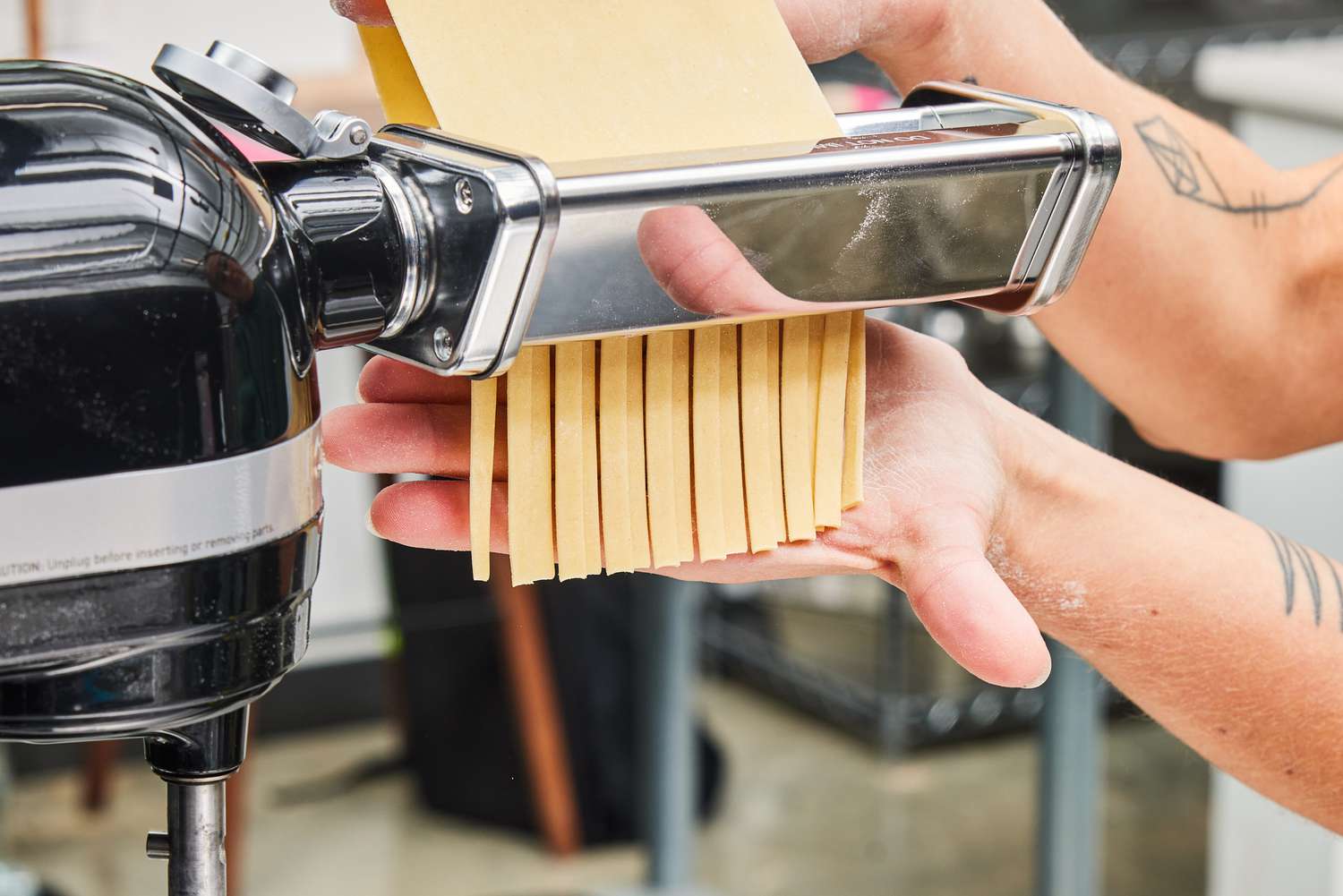
If you already own a stand mixer, especially a KitchenAid, attachments offer a space-saving and efficient solution.
- Description: These attachments connect to your stand mixer’s power hub, utilizing its motor to roll and cut pasta. A common setup includes a roller for sheets and separate cutters for specific shapes.
- Pros: Leverages existing kitchen equipment, saves countertop space (no separate motor unit), and is hands-free during the rolling process.
- Cons: Requires an initial investment in a stand mixer if you don’t already own one, and you typically need to swap attachments between rolling and cutting phases.
Rolling vs. Extruding: Understanding the Mechanisms
The method a pasta maker machine uses to shape pasta impacts the types of pasta you can make.
- Roller Machines: These flatten dough into sheets using adjustable rollers. They are perfect for making flat pastas such as lasagna, fettuccine, tagliolini, spaghetti, pappardelle, and filled pastas like ravioli or tortellini. They work exceptionally well with delicate egg-based doughs.
- Extruder Machines: These machines push dough through small dies (discs with various openings) to create more intricate shapes. Extruders excel at making tubular pasta like penne and rigatoni, spirals like fusilli, or short shapes such as macaroni and orecchiette. They often perform best with firmer semolina and water doughs.
Getting Started: A Step-by-Step Guide to Using Your Pasta Maker Machine
Making fresh pasta is a surprisingly straightforward and deeply satisfying process with your pasta maker machine. Here’s a basic guide to get you rolling:
Preparing Your Dough: The Foundation
The journey to perfect pasta begins with a well-prepared dough. A classic recipe usually involves all-purpose or ’00’ flour, fresh eggs, and a pinch of salt. Mix these ingredients until a shaggy dough forms, then knead it vigorously on a lightly floured surface for 5-10 minutes until it’s smooth and elastic. Crucially, wrap your dough tightly and let it rest for at least 30 minutes at room temperature. This resting period allows the gluten to relax, making the dough much easier to roll.
Setting Up Your Machine
Secure your pasta maker machine firmly to a stable countertop or table using its clamp. Ensure it’s stable and won’t wobble during use, providing ample space to operate the crank and handle the pasta sheets.
Rolling the Dough: The Art of Thinness
Divide your rested dough into manageable portions. Start by setting your machine’s rollers to the widest setting (usually the lowest number). Flatten one piece of dough slightly by hand and feed it through the rollers while steadily turning the crank. As the dough emerges, fold it into thirds (like a letter) and feed it through the widest setting again. Repeat this folding and rolling process about 5-6 times. This “conditions” the dough, makes it perfectly rectangular, and develops its smooth texture.
Next, progressively decrease the roller setting, one notch at a time. Feed the dough through each setting once or twice, lightly dusting with flour if it becomes sticky, until you reach your desired thinness. The dough should become translucent but still strong enough to handle.
Cutting Your Masterpiece
Once your pasta sheet is perfectly thin, attach the desired cutting attachment to your pasta maker machine. Gently feed the pasta sheet through the cutters, guiding the emerging noodles with your hand. For long strands, you might want a second person to help catch and drape them. Lightly toss the freshly cut pasta with a touch of semolina flour to prevent sticking.
Cooking or Storing Fresh Pasta
Fresh pasta cooks incredibly quickly, usually in 2-4 minutes in boiling, salted water. You can cook it immediately, or if you prefer to save it for later, you can either:
- Form small nests and let them dry on a pasta rack for a few hours.
- Freeze the nests individually on a baking sheet before transferring them to an airtight container.
Keeping It Pristine: Care and Maintenance for Your Pasta Maker Machine
Proper care ensures your pasta maker machine remains a cherished kitchen companion for years to come.
Post-Use Cleaning Essentials
Most manual pasta makers and their attachments should never be immersed in water or put in a dishwasher. Water can cause internal rusting and damage. Instead, allow any dough remnants to dry completely on the machine. Once dry, use a stiff brush or a wooden skewer to gently scrape off the hardened dough. For the rollers, feed a dry cloth or paper towel through them to clean. Wipe down the exterior with a damp cloth and dry thoroughly. Electric models often have detachable, dishwasher-safe parts, so always refer to your specific model’s manual.
Storage Tips
Store your pasta maker machine in a dry place to prevent rust. Many manual models are compact enough to fit into a cabinet, while stand mixer attachments can often be stored with other accessories.
Beyond the Basics: Popular Pasta Shapes and Sauce Pairings
Your pasta maker machine opens the door to crafting a myriad of traditional Italian pasta shapes, each with its ideal sauce pairing.
Classic Flat Pastas and Their Ideal Sauces
Roller machines excel at these:
- Fettuccine & Tagliolini: Wider, flat noodles that are perfect with creamy Alfredo, rich Bolognese, or delicate pesto sauces.
- Lasagna Sheets: Broad, flat sheets forming the layers of the beloved baked dish.
- Pappardelle: Very wide, flat ribbons that pair beautifully with hearty, slow-cooked meat ragùs or mushroom sauces.
- Ravioli & Tortellini: Filled pasta shapes that can be made with special attachments or by hand from thin sheets. They shine with simple butter and sage sauce, light tomato sauces, or a clear broth.
Exciting Extruded Shapes and Hearty Pairings
Extruder machines make these a breeze:
- Penne & Rigatoni: Tubular pastas with ridges that are excellent for trapping chunky sauces, like arrabbiata, marinara, or robust vegetable sauces.
- Spaghetti: Thin, round strands that are universally loved with classic tomato and basil, carbonara, or aglio e olio.
- Bucatini: A thicker spaghetti-like pasta with a hollow center, perfect for absorbing rich, buttery sauces.
Expert Insight: A Chef’s Perspective
“Mastering the pasta maker machine isn’t just about making noodles; it’s about reclaiming a piece of culinary heritage,” says Chef Isabella Rossi, a renowned Italian culinary instructor. “The texture and flavor of homemade pasta are transformative, turning everyday ingredients into something truly extraordinary. It brings joy to the kitchen and an unparalleled authenticity to your table.”
Your Journey to Pasta Perfection Starts Now
The pasta maker machine is more than just a kitchen gadget; it’s a gateway to a world of fresh flavors, creative cooking, and healthier eating. From the satisfying rhythm of cranking a manual machine to the effortless automation of an electric model, there’s a pasta maker machine out there to suit every aspiring pastaiolo. Embrace the tradition, experiment with new recipes, and share the undeniable joy of truly homemade pasta with those you love. Once you taste the difference, you’ll wonder how you ever lived without this incredible kitchen companion.
|
Our Picks for the Best Pasta Maker in 2026
As an Amazon Associate I earn from qualifying purchases.
|
||
| Num | Product | Action |
|---|---|---|
| 1 | Imperia Pasta Maker Machine- 100% Made in Italy, Heavy Duty Steel Construction, Easy Lock Dial, Wood Grip Handle & Cleaning Brush- Fresh Homemade Italian Spaghetti Fettuccine or Lasagna (Classic Line) |

|
| 2 | Sailnovo Pasta Maker Machine, 180 Roller Pasta Maker, 9 Adjustable Thickness Settings 2-in-1 Noodles Maker with Rollers and Cutter, Perfect for Spaghetti, Fettuccini, Lasagna or Dumpling Skin Silver |
|
| 3 | NEWTRY Commercial Pasta Maker Machine Electric Dough Roller Noodle Making Machine with 2/6mm and 2.5mm Round Blade Thickness Adjustable for Fettuccine Pasta 110V |
|
| 4 | Electric Pasta Machine, Household Handheld Wireless Noodle Machine. A Homemade Noodle Machine With 10 Types Of Noodle Molds And 2 Types Of Enema Filling Nozzles |
|
| 5 | ISILER Pasta Maker, 9 Adjustable Thickness Settings 2 in 1 Pasta Machine with Rollers and Cutter, Noodle Maker for Dumpling Skin, Spaghetti, Fettuccini, Lasagna |
|
| 6 | Pasta Maker Attachment for KitchenAid Stand Mixer, Pasta Maker Accessories Set Included Pasta Roller, Fettuccine Cutter, Spaghetti Cutter and Cleaning Brush, Homemade Fresh Noodles and Italian Cuisine |
|
| 7 | Antree Pasta Maker Attachment 3 in 1 Set for KitchenAid Stand Mixers Included Pasta Sheet Roller, Spaghetti Cutter, Fettuccine Cutter Maker Accessories and Cleaning Brush |
|
| 8 | Sailnovo Pasta Maker Machine, 180 Roller Pasta Maker, 9 Adjustable Thickness Settings 2-in-1 Noodles Maker with Rollers and Cutter, Perfect for Spaghetti, Fettuccini, Lasagna or Dumpling Skin Red |
|
| 9 | MARCATO Made in Italy Atlas 150 Classic Manual Pasta Maker Machine, Chrome Steel with Black Hand Crank. Makes Lasagna, Fettuccine & Tagliolini. |
|
| 10 | Nuvantee Pasta Maker with 7 Adjustable Thickness Settings - 2 in 1 Noodle Maker with Rollers and Cutter, Make Spaghetti, Fettuccini, Lasagna, & More |
|