There’s something truly special about fresh pasta—its delicate texture, the way it perfectly cradles sauce, and that unmistakable flavor that store-bought varieties just can’t quite capture. For many, the idea of making pasta from scratch at home conjures images of flour-dusted kitchens, endless kneading, and intricate rolling. But what if you could streamline the entire process, bringing that authentic Italian experience directly to your kitchen countertop with surprising ease? Enter the all-in-one pasta maker, a culinary marvel designed to transform your pasta-making dreams into a delicious reality.
The All-in-One Revolution: What Exactly is a Pasta Maker?
For centuries, pasta making was a labor of love, a skill passed down through generations, relying solely on human hands and simple tools. While the essence of flour and water (or eggs) remains, modern innovation has gifted us the pasta maker. An “all-in-one” pasta maker takes this evolution a step further, often integrating multiple functions—from mixing and kneading the dough to shaping and cutting it—into a single, convenient appliance. It’s about bringing the efficiency of a professional kitchen to your home, without sacrificing the charm and quality of homemade.
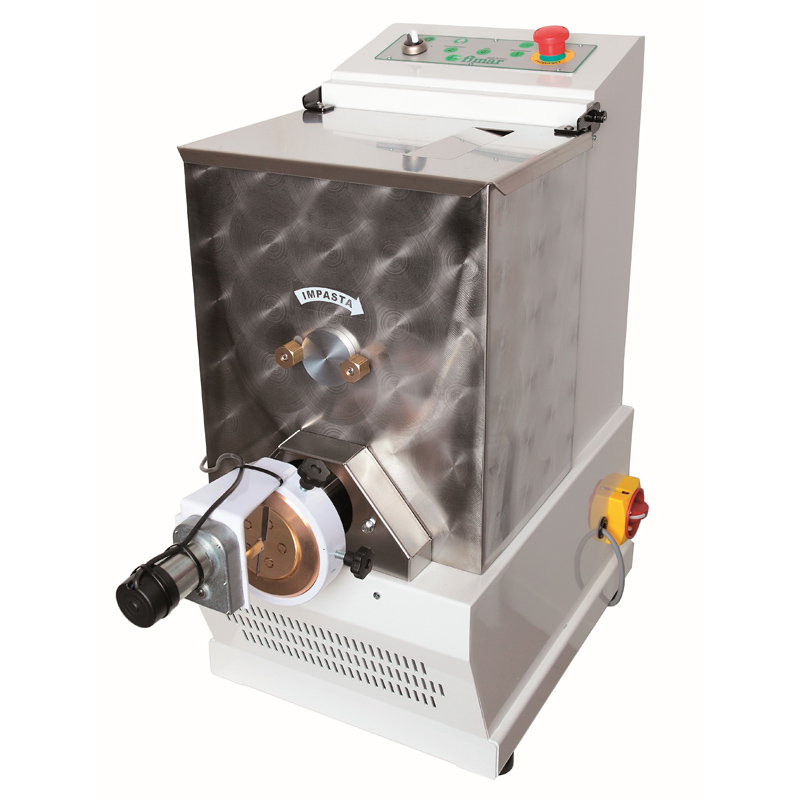
Unpacking the Varieties: Types of All-in-One Pasta Makers
The term “all-in-one” can refer to several types of machines, each offering unique benefits and catering to different culinary styles and kitchen setups. Understanding these distinctions is key to finding your perfect pasta companion.
Manual Pasta Makers: The Classic Roller and Cutter
These are the traditional workhorses, often clamped to a countertop and operated with a hand crank. They typically feature adjustable rollers to flatten dough to various thicknesses and interchangeable cutters for classic shapes like spaghetti and fettuccine.
- Pros: Durable, precise control over dough thickness, nostalgic experience, generally more affordable.
- Cons: Requires manual effort, can be time-consuming, limited to certain shapes unless additional attachments are purchased.
Electric Extruder Pasta Makers: Automated Convenience
For those seeking maximum ease, electric extruders are a game-changer. You simply add your ingredients, and the machine takes over, mixing, kneading, and pushing the dough through various dies to produce a wide array of pasta shapes in minutes.
- Pros: Fully automated, fast (pasta in 10-20 minutes), requires minimal effort, offers many shapes via interchangeable dies, consistent results.
- Cons: Can be pricier, some models might require specific dough consistency for optimal performance, cleaning dough from intricate dies can be a minor challenge.
Stand Mixer Attachments: Leveraging Existing Tools
If you already own a powerful stand mixer, a pasta attachment set can effectively turn it into an all-in-one pasta maker. These sets typically include a roller and various cutters, or even an extruder press, using the mixer’s motor to handle the heavy lifting of dough preparation and shaping.
- Pros: Space-saving (no extra machine needed), utilizes existing kitchen appliance, convenient.
- Cons: Requires a stand mixer investment, performance can vary by attachment quality.
Why Every Kitchen Needs an All-in-One Pasta Maker: The Unbeatable Benefits
Investing in an all-in-one pasta maker is more than just buying another kitchen gadget; it’s an invitation to a world of culinary delights and practical advantages.
Unmatched Freshness and Flavor
Homemade pasta offers a taste and texture superior to anything from a box. It’s tender, subtly chewy, and boasts a rich flavor that elevates any dish. With an all-in-one maker, this gourmet experience is easily accessible.
Effortless Consistency, Every Time
One of the biggest challenges of hand-rolling is achieving uniform thickness. Pasta makers, whether manual or electric, ensure consistent dough sheets and perfectly formed noodles, which leads to even cooking and a delightful dining experience.
Culinary Versatility: A World of Shapes at Your Fingertips
From classic spaghetti and fettuccine to intricate penne, fusilli, lasagna sheets, ravioli, and even gluten-free options, an all-in-one machine, with its various dies and attachments, unlocks a vast repertoire of pasta shapes.
Healthier Choices, Personalized Ingredients
Take control of your diet by choosing your own high-quality flours (like “00” flour or semolina), adding fresh vegetables for color and nutrients, or crafting gluten-free alternatives. You avoid preservatives and additives found in many store-bought pastas.
Time-Saving Wonder: Fresh Pasta in Minutes
Especially with electric models, you can have fresh pasta ready from scratch in as little as 10 to 20 minutes, making homemade pasta a viable option even on busy weeknights.
A Fun and Engaging Culinary Experience
Making pasta can be a delightful activity for the whole family or a creative outlet for solo chefs. Experiment with different doughs, colors, and shapes, turning meal prep into a joyful exploration.
Easy Maintenance for Everyday Use
Most modern pasta makers are designed with ease of cleaning in mind, featuring detachable, often dishwasher-safe parts. Included brushes and scrapers make removing dough residue straightforward, ensuring your machine is ready for its next use.
Getting Started: How to Use Your All-in-One Pasta Maker
Embarking on your homemade pasta journey is simpler than you might think. Here’s a basic overview to get you rolling.
Ingredients: The Simple Staples
A classic fresh pasta dough typically requires just a few basic ingredients:
- 2 ¼ cups all-purpose flour (or “00” flour for a finer texture)
- 3 large eggs (room temperature)
- Pinch of salt
Some recipes may also incorporate a splash of water or olive oil for desired consistency.
Dough Preparation: From Mixing to Resting
- Combine Ingredients: On a clean surface or in your machine’s mixing chamber, create a well with your flour and add the eggs and salt. Gradually incorporate the flour into the wet ingredients.
- Knead: For manual or stand mixer methods, knead the dough until it’s smooth and elastic (about 8-10 minutes by hand or with a dough hook). Electric extruders will mix and knead automatically.
- Rest: Wrap the dough tightly in plastic wrap and let it rest at room temperature for at least 30 minutes. This allows the gluten to relax, making the dough easier to work with.
Rolling and Extruding: Step-by-Step Guide
- Manual/Roller Machines: Start with the widest setting. Feed a flattened piece of dough through the rollers, then fold it into thirds and repeat several times, gradually decreasing the thickness setting until your desired pasta sheet consistency is reached. Lightly dust with flour to prevent sticking.
- Electric Extruders: Follow your machine’s instructions. Often, you simply add flour and eggs, select your pasta shape, and the machine does the rest, mixing, kneading, and extruding perfectly formed pasta.
Cutting and Shaping: Utilizing Different Dies/Attachments
Once your dough is rolled to the desired thickness or extruded, use the appropriate cutting attachment or die to create your preferred pasta shape. Gently separate the noodles and dust them with a little flour or hang them on a drying rack to prevent sticking.
Beyond the Basics: Popular Pasta Shapes You Can Create
With an all-in-one pasta maker, the possibilities are vast. Here are just a few of the beloved pasta types you can master:
Long Pastas
- Spaghetti: Thin, round strands, perfect for tomato-based or olive oil sauces.
- Fettuccine: Wider, flat ribbons, ideal for rich, creamy sauces like Alfredo.
- Linguine: Slightly thinner than fettuccine, excellent with seafood or pesto.
- Tagliatelle: Similar to fettuccine but typically thinner, often paired with hearty meat sauces.
- Pappardelle: Broad, flat ribbons, wonderful for robust, slow-cooked ragus.
Sheet Pastas
- Lasagna Sheets: Wide, flat sheets for layering in baked dishes.
- Ravioli & Tortellini: Dough sheets can be filled and shaped by hand or with specialized attachments for these delicious stuffed pastas.
Short/Extruded Pastas
- Penne, Rotini, Fusilli, Macaroni: Achieved with extruder dies, these shapes are versatile and great for holding chunky sauces or in baked casseroles.
Mastering the Art: Essential Tips for Your Pasta Maker
Even with the convenience of an all-in-one machine, a few insider tips can elevate your homemade pasta.
Dough Hydration and Flour Dusting
The key to perfect pasta is a dough that is neither too wet nor too dry. If your dough is too sticky, it will jam the machine; too dry, and it will crumble. Adjust with tiny amounts of water or flour as needed. A light dusting of semolina flour on your dough and machine parts helps prevent sticking.
Folding and Rolling Techniques (for Roller Machines)
For manual or stand mixer rollers, folding the dough into thirds after the initial passes, then rotating it 90 degrees before rolling again, helps to create a uniform, smooth sheet and develops the gluten for a superior texture.
Batch Management for Best Results
Work with smaller, manageable portions of dough at a time, especially with manual machines. Keep the remaining dough tightly wrapped to prevent it from drying out while you work.
Keeping It Pristine: Care and Cleaning for Longevity
Proper maintenance ensures your all-in-one pasta maker remains a cherished kitchen tool for years to come.
Immediate Cleaning Best Practices
After each use, the golden rule is to clean your machine immediately. Fresh dough is much easier to remove than dried, hardened bits.
Dealing with Stubborn Dough Residue
Use the brushes and scrapers typically provided with your machine. Allow any stubborn dough to dry slightly; it often becomes brittle and easier to flake off. Avoid using water on parts that are not explicitly labeled as washable or dishwasher-safe, especially with manual machines, as moisture can cause rust. For electric models, consult your manual for specific dishwasher-safe components.
Storage Tips
Once thoroughly cleaned and dried, store your pasta maker and its attachments in a dry place. Many machines have compact designs or include storage drawers for dies, minimizing countertop clutter.
Expert Insights: Elevating Your Pasta Game
“The real magic of an all-in-one pasta maker lies in its ability to democratize fresh pasta. It empowers home cooks to achieve restaurant-quality results with minimal fuss, transforming a once daunting task into a delightful culinary adventure,” shares Chef Marco Bianchi, a renowned Italian culinary instructor.
Conclusion
The all-in-one pasta maker is more than just a kitchen appliance; it’s a gateway to culinary creativity, healthier eating, and the unparalleled joy of truly fresh, homemade pasta. From the convenience of electric extruders that mix, knead, and shape with the push of a button, to the satisfying tactile experience of a manual roller, there’s a perfect machine out there for every home cook. Embrace the journey, experiment with flavors and shapes, and prepare to impress your taste buds and your loved ones with delicious pasta creations straight from your kitchen.
Frequently Asked Questions
What is the primary benefit of an all-in-one pasta maker over traditional methods?
The primary benefit is significant time and effort savings, as these machines automate or greatly simplify the mixing, kneading, and shaping processes, providing consistent results in a fraction of the time.
Can I make gluten-free pasta with an all-in-one pasta maker?
Absolutely! Most all-in-one pasta makers can handle gluten-free flour blends, allowing you to create delicious pasta suitable for various dietary needs, although the texture might vary slightly from traditional wheat pasta.
How long does it typically take to make pasta with an electric all-in-one machine?
With many electric all-in-one pasta makers, you can go from adding ingredients to having fresh pasta ready for cooking in as little as 10 to 20 minutes, making it incredibly fast and convenient.
Are all-in-one pasta makers difficult to clean?
No, most modern all-in-one pasta makers are designed for easy cleaning. They often feature detachable parts that can be easily washed, and tools like brushes are usually included to help remove any lingering dough residue.
What kind of flour is best for making pasta at home?
While all-purpose flour works well, “00” flour is often recommended for its very fine texture, which yields a silky smooth pasta. Semolina flour can also be used, especially for heartier, chewier noodles that hold sauce beautifully.
Can I store homemade pasta made with an all-in-one machine?
Yes, fresh pasta can be refrigerated for up to 2 days or frozen for up to 2 weeks. It’s best to dry it slightly before storing to prevent sticking, and freezing in nests or individual portions is convenient.
Do all all-in-one pasta makers offer the same variety of pasta shapes?
The variety of pasta shapes depends on the specific machine and its included or compatible attachments/dies. Electric extruders often come with many dies, while manual machines may offer a few standard cutters with additional ones sold separately.