Ever dreamt of fresh, homemade pasta, perfectly tender and bursting with flavor? The Marcato Atlas 150 Pasta Maker isn’t just a kitchen gadget; it’s a timeless invitation to elevate your culinary game and bring the soul of Italy right into your home. This iconic manual pasta maker, renowned for its unparalleled quality and robust design, has empowered home cooks for decades, transforming simple ingredients into edible masterpieces. If you’re ready to ditch store-bought noodles and embrace the joy of handcrafted pasta, the Atlas 150 is where your journey truly begins.
The Enduring Legacy of the Marcato Atlas 150
Few kitchen tools boast the heritage and steadfast reputation of the Marcato Atlas 150. It’s more than a machine; it’s a piece of culinary history, a testament to Italian ingenuity that has remained largely unchanged because, quite simply, it works.
A Century of Italian Craftsmanship
The story of the Atlas 150 begins in 1930 with Otello Marcato in Campodarsego, Italy. His vision was to simplify the process of making fresh pasta at home, and his hand-cranked design revolutionized kitchens worldwide. Over the years, while technology has evolved, the core principles of the Marcato Atlas 150—precision, durability, and a user-friendly experience—have been meticulously preserved. This deep-rooted history imbues every machine with a sense of tradition and reliability that modern alternatives often struggle to match. It’s truly a “Made in Italy” design icon.
Why the Atlas 150 Remains the Gold Standard
In a world filled with automatic gadgets, why does a manual machine like the Atlas 150 continue to reign supreme? The answer lies in its meticulous engineering and the unparalleled control it offers. Enthusiasts often refer to it as the “Ferrari, Lamborghini, or Maserati of pasta machines” because it delivers top-tier performance without the sky-high price tag. Its smooth operation and consistent results set it apart, making it a favorite for both seasoned chefs and passionate home cooks. The tactile feedback you get from the hand crank allows you to truly “feel” the dough, adjusting as needed to achieve that perfect elasticity and sheen.
Unpacking the Atlas 150: Features and Design
The Marcato Atlas 150’s elegant simplicity belies its sophisticated design. Every component is crafted to deliver exceptional results and withstand the rigors of frequent use.
Premium Materials for Superior Performance
The core of the Atlas 150 is built for longevity. Its body is constructed from high-quality, chrome-plated steel, giving it a classic, polished look and robust resistance to corrosion. But the real magic happens with its patented anodized aluminum alloy “Wellness” rollers. Unlike cheaper alternatives, these rollers are designed to ensure your dough remains free from impurities and that no harmful metallic particles are released, making your pasta not only delicious but also safe. An extra thoughtful touch: these rollers have a slightly rough texture, which helps your sauces bind to the cooked pasta more effectively, ensuring every bite is a flavor explosion. For those who love a pop of color in their kitchen, Marcato offers the Atlas 150 in various shades, where the colors are infused into the anodized aluminum, meaning they won’t scrape off or fade over time.
Precision Rolling: The 10-Setting Thickness Dial
Achieving the perfect pasta texture often comes down to precise thickness. The Atlas 150 shines here with its easily accessible, numbered regulating knob offering 10 distinct thickness settings, ranging from 4.8mm (setting 0) down to a delicate 0.6mm (setting 9). This wide range allows you to fine-tune your pasta sheets for any recipe, from hearty lasagna to gossamer-thin tagliolini.
Included Pasta Shapes: Lasagna, Fettuccine, and Tagliolini
Out of the box, the Atlas 150 is ready to create three classic Italian pasta shapes:
- Lasagna Sheets: The wide rollers effortlessly produce smooth, uniform sheets perfect for your baked lasagna, cannelloni, or ravioli fillings.
- Fettuccine: With the included dual-cutter attachment, you can quickly transform your pasta sheets into 6mm wide fettuccine strands, ideal for rich cream sauces.
- Tagliolini: The same attachment also cuts fine, 1.5mm wide tagliolini, a delicate noodle that pairs wonderfully with lighter sauces or broths.
Expanding Your Pasta Repertoire with Attachments
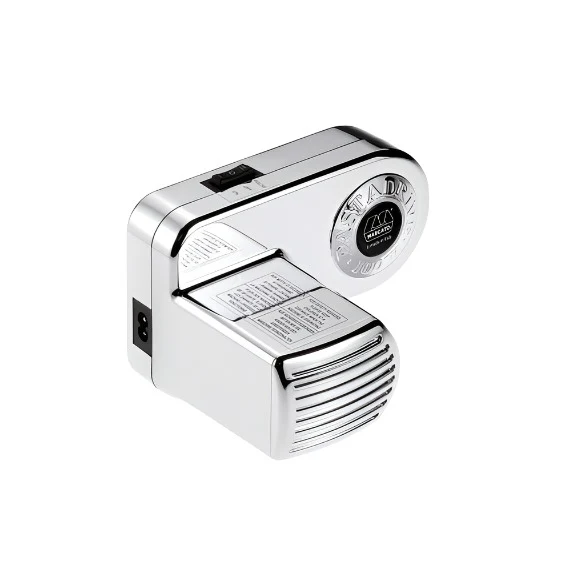
While the included cutters are fantastic, the Atlas 150’s versatility truly expands with its impressive array of optional attachments. From ravioli makers to spaghetti cutters and even specialized pasta shapes like mafaldine or trenette, you can continually grow your pasta-making skills and explore new culinary horizons. The optional Pastadrive motor attachment is also a popular addition, converting your manual machine into an electric one for hands-free rolling, a boon when making large batches.
Benefits of Owning an Atlas 150 Pasta Maker
Bringing an Atlas 150 into your kitchen isn’t just about making pasta; it’s about embracing a lifestyle of quality, creativity, and connection to food.
The Joy of Homemade Pasta
There’s an undeniable satisfaction that comes from creating something delicious with your own hands. Homemade pasta, made with the Atlas 150, offers a freshness and texture that store-bought varieties simply cannot replicate. The process itself can be a wonderfully meditative or communal experience, turning a meal into a memorable event. As renowned chef Giovanni Rossi often says, “The soul of Italian cooking is in the fresh pasta; it’s where flavor and passion truly meet the plate.”
Unmatched Durability and a Generous Warranty
Investing in an Atlas 150 means investing in a tool built to last. The heavy-duty construction, from its chrome-plated steel body to its case-hardened and tempered steel gears, ensures remarkable longevity. Marcato stands behind its craftsmanship with an industry-leading 10-year manufacturer’s warranty against defects, providing peace of mind that this machine will be a staple in your kitchen for decades to come.
A Culinary Experience, Not Just a Tool
Unlike electric machines that automate much of the process, the Atlas 150 offers a more hands-on, sensory experience. You feel the dough changing, you watch the sheets grow thin, and you become intimately involved in the creation of your meal. This engagement deepens your appreciation for the food and transforms cooking from a chore into a rewarding craft.
Getting Started: A Guide to Using Your Atlas 150
Ready to roll? Using your Marcato Atlas 150 is straightforward, even for first-timers.
Preparing Your Dough for Perfection
The secret to great pasta often lies in the dough. For optimal results, many chefs recommend using a mixture of soft-wheat flour and durum-wheat semolina. And here’s a pro tip from our resident pasta expert, Sofia Bianchi: “Always knead your pasta dough for a full 10 minutes by hand before feeding it through the machine. This develops the gluten properly, giving you that essential elasticity and preventing tearing.” Also, ensure your eggs aren’t cold straight from the refrigerator, as room-temperature ingredients integrate better.
Setting Up Your Machine
- Secure the Clamp: Place your Atlas 150 on a clean, stable countertop and use the included clamp to firmly secure it to the edge. Tighten it well to prevent any wobbling during use.
- Insert the Hand Crank: Place the hand crank into the designated hole on the side of the smooth rollers.
- Initial Cleaning: Before first use, or after prolonged storage, it’s wise to clean the rollers by passing a small, sacrificial piece of dough through them a few times. Discard this dough.
Rolling and Cutting Your Pasta
- Start Thick: Set the thickness adjustment knob to its widest setting (setting 0). Pull the knob outwards, turn it to the desired number, then release.
- Initial Passes: Flatten a piece of dough slightly by hand and feed it through the rollers on setting 0, turning the crank steadily. Fold the dough in half, dust lightly with flour if sticky, and repeat this process 5-6 times. This helps to further knead and smooth the dough.
- Gradually Thin: Incrementally reduce the thickness setting (e.g., from 0 to 1, then 1 to 2, and so on), passing the pasta sheet through each setting only once, without folding. Continue until you reach your desired thickness. For fettuccine, setting #5 is generally recommended; for tagliolini, aim for #7.
- Cut the Pasta: Once your sheet is at the perfect thickness, remove the hand crank from the smooth rollers and insert it into the hole of the cutting attachment (fettuccine or tagliolini). Feed the pasta sheet through the cutters, turning the crank to produce uniform strands.
- Dry: Gently collect the cut pasta and place it on a lightly floured surface or a pasta drying rack (like Marcato’s Tacapasta) to prevent sticking while you finish the rest of your dough.
Care and Maintenance for a Lifetime of Pasta
Proper care is paramount to ensure your Marcato Atlas 150 remains a cherished kitchen companion for years.
The Golden Rule of Cleaning: No Water!
This is crucial: never wash your Atlas 150 with water or put it in the dishwasher. Water can cause rust and damage the internal mechanisms. Instead:
- Wait about an hour after use for any residual dough to dry.
- Use a dry pastry brush and a wooden stick (or toothpick) to remove all flour and dried dough from the rollers, cutters, and crevices.
- The combs on the cutting attachment are often removable; gently press the metal rods to release them for thorough brushing.
Proper Storage Tips
Store your pasta maker in a dry place, away from direct sunlight and humidity. Keep the hand crank and table clamp together with the machine to avoid misplacing them. The machine does not require lubrication.
Crafting Italian Classics: Pasta Types You Can Make
With your Atlas 150, the world of Italian pasta opens up. Here are some classics you can master:
- Lasagna: Roll broad, silky sheets for the ultimate layered dish.
- Fettuccine: Perfect for creamy Alfredo or hearty Bolognese sauces.
- Tagliolini: Delicate and quick-cooking, excellent with light seafood or butter and sage sauces.
- Ravioli: With the dedicated attachment, create pockets of delicious fillings.
- Spaghetti: An optional spaghetti attachment allows you to make this globally beloved round noodle.
- Tagliatelle: A slightly wider cut than fettuccine, also great for robust sauces.
- Pappardelle: Very wide, flat noodles, ideal for rich game or mushroom sauces.
Perfect Pairings: Sauces to Complement Your Fresh Pasta
Fresh pasta elevates any sauce. Here are a few timeless combinations that sing with homemade noodles:
- Classic Marinara: Simple, vibrant, and allows the pasta’s fresh flavor to shine.
- Creamy Alfredo: The rougher texture of Atlas 150 pasta sheets helps this rich, cheesy sauce cling beautifully.
- Pesto Perfection: A light, aromatic pesto perfectly coats delicate tagliolini or fettuccine.
- Rich Bolognese: A slow-cooked, deeply flavored meat sauce is a natural partner for wider noodles like fettuccine or tagliatelle.
Frequently Asked Questions
What makes the Marcato Atlas 150 different from other pasta makers?
The Marcato Atlas 150 stands out due to its superior Italian craftsmanship, high-quality materials like chrome-plated steel and anodized aluminum “Wellness” rollers, precise 10-setting thickness control, and a robust 10-year warranty. It offers a hands-on, tactile experience that many feel is superior to fully automatic machines.
Can I use the Atlas 150 with a motor?
Yes, the Marcato Atlas 150 is designed to be compatible with the optional Marcato Pastadrive motor attachment. This motor can be easily installed to replace the hand crank, offering an electric, hands-free operation while retaining all the machine’s core benefits.
How do I clean my Marcato Atlas 150?
It’s crucial never to wash the Atlas 150 with water or in a dishwasher. Instead, after use, allow any dough residue to dry for about an hour. Then, use a dry brush and a wooden stick or toothpick to carefully remove all dried flour and dough from the rollers, cutters, and internal mechanisms.
What are the best flours to use with the Atlas 150?
For the best texture and performance, a mixture of soft-wheat flour (like “00” flour) and durum-wheat semolina is often recommended. This combination helps create an elastic, pliable dough that rolls beautifully and holds up well during cooking.
Is it difficult for beginners to use the Atlas 150?
Not at all! The Marcato Atlas 150 is designed for ease of use, even for beginners. While there’s a small learning curve to dough preparation and getting the feel for the hand crank, the process is intuitive. Many users find the manual control more engaging and rewarding than electric alternatives.
Elevate Your Kitchen with the Atlas 150
The Marcato Atlas 150 pasta maker isn’t just a purchase; it’s an investment in countless delicious meals, shared moments, and the profound satisfaction of creating with your own hands. It embodies the timeless quality and culinary passion that transforms a simple meal into an experience. So go ahead, crank up some fresh pasta, and let the Atlas 150 be the star of your kitchen, inspiring you to explore the rich, flavorful world of authentic Italian cuisine.