Have you ever dreamt of serving fresh, homemade pasta but felt daunted by the time and effort involved? Well, get ready to turn that dream into a delicious reality, because the automatic pasta maker is here to revolutionize your culinary world. This ingenious appliance takes the guesswork and the hard work out of traditional pasta making, bringing the authentic taste of Italy right into your kitchen with unparalleled ease. Forget pre-packaged dry noodles; an Auto Pasta Maker unlocks a world of fresh flavors and textures, making it an essential tool for any modern home cook.
The Journey of Pasta Makers: From Hand-Cranked to Fully Automatic
Pasta, a cornerstone of Italian cuisine, has a rich history spanning centuries. Traditionally, making pasta was a labor of love, involving extensive kneading, rolling, and cutting by hand. This artisan process, while rewarding, demanded significant time and skill. Over time, manual pasta makers emerged, offering a crank-operated system to simplify the rolling and cutting of dough sheets. These sturdy machines were a staple in many homes, making fresh pasta more accessible.
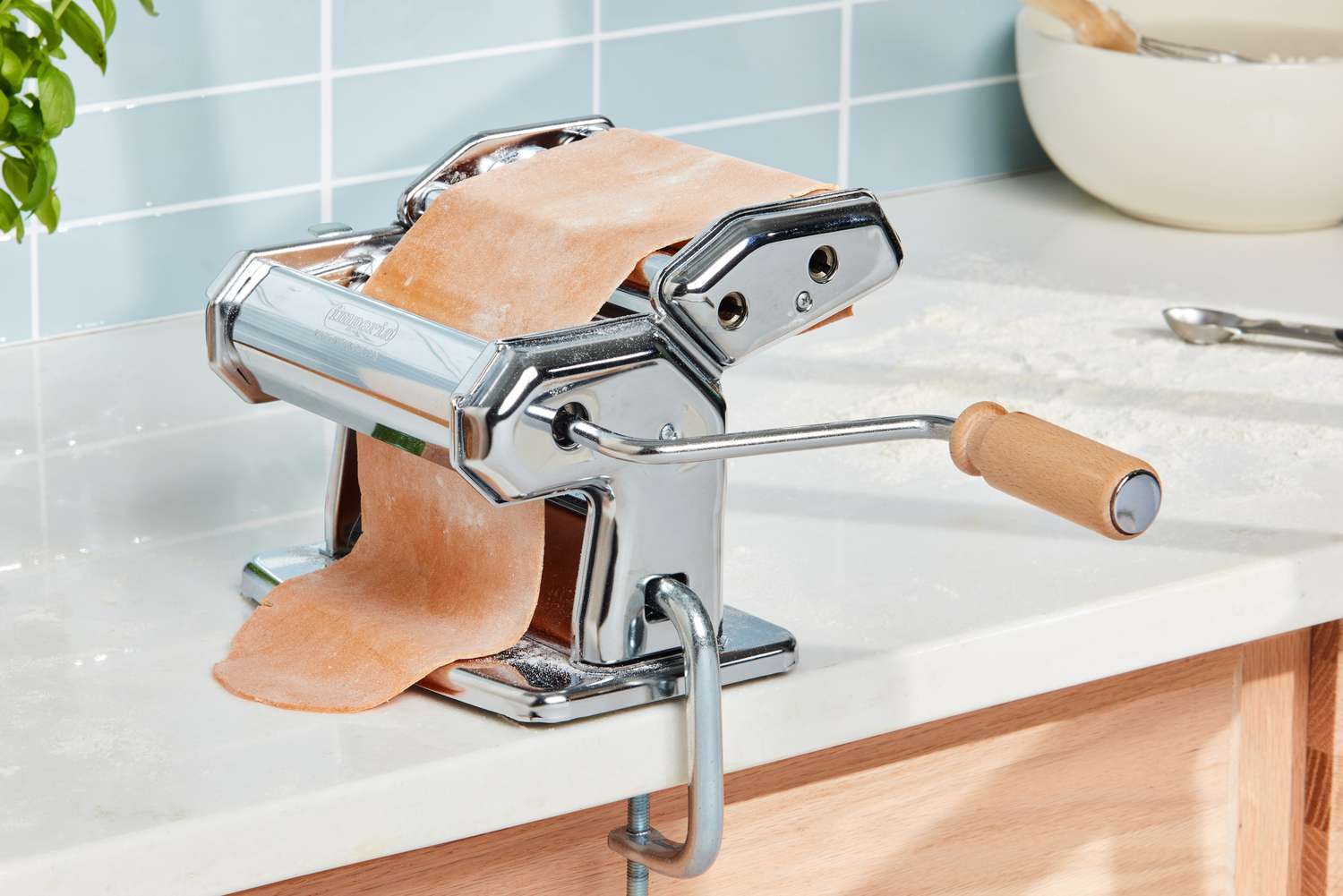
Fast forward to today, and we witness the marvel of the auto pasta maker. These state-of-the-art kitchen appliances represent the pinnacle of pasta-making evolution, designed to streamline the entire process from start to finish. By automating mixing, kneading, and extruding, they transform raw ingredients into fresh pasta in mere minutes, perfectly suiting our busy modern lifestyles.
Unveiling Different Types of Automatic Pasta Makers
When considering an auto pasta maker, it’s helpful to understand the various designs available, each offering unique features to suit different needs. Generally, automatic pasta makers fall into categories based on their operation:
Integrated Automatic Extruders
These are often standalone machines that handle every step of the pasta-making process. You simply add your ingredients – flour, water, eggs (or egg substitutes for vegan options) – and the machine does the rest. It mixes the dough, kneads it to the perfect consistency, and then extrudes it through various shaping dies to create your desired pasta type. Brands like Philips offer popular models in this category, known for their efficiency and user-friendly automatic modes.
Stand Mixer Attachments
For those who already own a powerful stand mixer, automatic pasta maker attachments offer a space-saving solution. These attachments typically utilize the mixer’s motor to power rollers and cutters, allowing for hands-free operation as you guide the dough. Some attachments also include extruder functions. The convenience of not needing a separate motor and having both hands free to manage the dough makes these a popular choice.
Whether it’s a dedicated machine or an attachment, the core benefit remains the same: the automation of tasks that were once labor-intensive, ensuring consistent results every time.
Why an Auto Pasta Maker is a Game-Changer for Your Kitchen
Investing in an auto pasta maker brings a cascade of benefits that elevate your home cooking experience:
- Unmatched Freshness: There’s simply no comparison to the taste and texture of fresh pasta. It cooks faster and offers a superior culinary experience compared to dried, store-bought varieties.
- Time and Effort Saving: This is arguably the biggest draw. Automatic pasta makers significantly cut down preparation time. What used to take considerable manual effort can now be done in 10 to 20 minutes, from mixing the dough to shaping the pasta.
- Consistent Quality: Say goodbye to inconsistent dough or uneven noodles. These machines are engineered to produce uniform pasta strands with ideal texture every time, eliminating human error.
- Dietary Customization: With complete control over ingredients, you can easily cater to specific dietary needs. Making gluten-free or vegan pasta is straightforward; just use the appropriate flours and ingredients.
- Endless Culinary Creativity: Most auto pasta makers come with multiple shaping discs or attachments, allowing you to experiment with a vast array of pasta forms and infuse your creations with different flavors using herbs, vegetable purees, or spices.
- Easy Cleanup: Many modern automatic pasta maker components are designed to be dishwasher-safe, simplifying one of the least favorite parts of cooking.
“An automatic pasta maker isn’t just a gadget; it’s an invitation to rediscover the joy of cooking from scratch without the associated stress. The ability to whip up fresh pasta on a whim transforms weeknight dinners into gourmet experiences,” says Chef Marco Rossi, a seasoned Italian culinary instructor.
Mastering Your Auto Pasta Maker: A Basic Guide
Using an auto pasta maker is surprisingly simple, even for beginners. Here’s a general guide to get you started with basic pasta:
- Gather Your Ingredients: For classic egg pasta, you’ll need all-purpose flour (or a mix of semolina and all-purpose), eggs, and a little water if needed. For vegan pasta, use an egg substitute or simply water. Consult your machine’s manual for precise ratios, as they can vary.
- Assemble the Machine: Ensure all parts are correctly assembled, including your chosen shaping disc for spaghetti, fettuccine, or penne.
- Add Dry Ingredients: Pour the flour into the machine’s mixing chamber.
- Add Wet Ingredients: Slowly add the liquid ingredients (beaten eggs, water) through the designated opening while the machine begins to mix. The machine will do the kneading, ensuring the dough reaches the perfect consistency.
- Extrusion Magic: Once the dough is ready, the machine will start extruding the pasta through the shaping disc. Use the included cutting tool or a knife to cut the pasta to your desired length as it emerges.
- Cook Immediately or Dry: Fresh pasta cooks incredibly quickly, often in just 2-4 minutes. Alternatively, you can dry it on a pasta drying rack for later use.
Nurturing Your Machine: Maintenance and Cleaning Tips
To ensure your auto pasta maker remains a reliable kitchen companion for years, proper maintenance and cleaning are crucial:
- Immediate Cleaning: The best time to clean pasta maker parts is right after use, before dough residue has a chance to fully dry and harden.
- Disassemble and Soak: Disassemble all removable parts. For stubborn dough, allow parts to air dry slightly; dried dough is often easier to brush off than wet, sticky dough. Many components are dishwasher safe, simplifying the process.
- Brush Away Residue: Use the cleaning tools often provided with your machine (small brushes, picks) to remove any flour or dough stuck in crevices or shaping discs. Toothpicks can also be helpful for fine details.
- Wipe Down the Base: For the motorized base, simply wipe it down with a damp cloth. Never submerge the electrical components in water.
- Proper Storage: Once thoroughly dry, store all parts together to avoid misplacing them. Keep your auto pasta maker in a clean, dry place.
Crafting Italian Classics with Your Auto Pasta Maker
The versatility of an auto pasta maker allows you to create a delightful array of Italian pasta shapes:
- Spaghetti: The quintessential thin, round noodle, perfect for classic tomato or oil-based sauces.
- Fettuccine: Wider, flat ribbons that excel with creamy sauces like Alfredo.
- Penne or Rigatoni: Tubular shapes, ideal for heartier sauces that can cling inside the tubes. These are typically made with extrusion machines.
- Lasagna Sheets: Wide, flat sheets forming the layers of beloved baked lasagna.
- Angel Hair (Capellini): Ultra-thin strands for delicate sauces.
- Tagliatelle: Wider ribbons, often paired with robust meat sauces.
- Ravioli: While some machines require specific attachments, a fully automatic pasta maker with the right dies can help create pockets of deliciousness.
Perfect Pairings: Sauce Recipes for Your Homemade Pasta
Fresh pasta shines brightest when paired with the right sauce. Here are a few ideas to get your culinary creativity flowing:
- Aglio e Olio (Garlic and Oil): A simple, elegant sauce perfect for spaghetti or angel hair, highlighting the fresh pasta’s delicate flavor. Sauté sliced garlic in olive oil with a pinch of chili flakes, then toss with pasta and parsley.
- Pesto Genovese: A vibrant, fresh sauce for fettuccine or penne. Blend fresh basil, pine nuts, garlic, Parmesan cheese, Pecorino Sardo, and olive oil.
- Classic Marinara: A robust tomato-based sauce for any pasta shape. Sauté garlic and onion, add crushed tomatoes, herbs like oregano and basil, and simmer until rich.
- Creamy Mushroom: A luxurious sauce for tagliatelle or fettuccine. Sauté mushrooms, add garlic, white wine, and heavy cream, reducing until thickened.
Frequently Asked Questions About Automatic Pasta Makers
Q: Are automatic pasta makers truly worth the investment?
A: Absolutely! If you love fresh pasta and want to save time and effort, an auto pasta maker is a fantastic investment. They streamline the process, offer consistent results, and allow for endless culinary experimentation, making fresh pasta a regular delight.
Q: Can I make gluten-free pasta with an automatic pasta maker?
A: Yes, many automatic pasta makers are perfectly capable of producing delicious gluten-free pasta. Simply use gluten-free flour blends suitable for pasta making, often containing ingredients like rice flour, cornstarch, or tapioca starch.
Q: How long does it take to make pasta with an automatic machine?
A: The entire process, from adding ingredients to extruding fresh pasta, typically takes anywhere from 10 to 20 minutes, depending on the machine and the amount of pasta being made. This is significantly faster than traditional methods.
Q: What is the typical cost of an auto pasta maker?
A: Prices vary widely based on brand, features, and capacity. Household automatic pasta makers can range from a few hundred dollars to several hundred, while commercial-grade units can cost thousands.
Q: Is cleaning an automatic pasta maker difficult?
A: Modern auto pasta makers are designed with ease of cleaning in mind. Many come with dishwasher-safe parts, and for components that aren’t, dried dough is often easier to remove with a brush than wet dough.
Q: What pasta shapes can I make with an automatic pasta maker?
A: Most automatic pasta makers come with multiple shaping discs to produce common shapes like spaghetti, fettuccine, and penne. Many brands also offer additional dies for a wider variety of shapes, including lasagna, angel hair, and even some specialty shapes.
Embark on Your Fresh Pasta Journey
The automatic pasta maker is more than just a kitchen appliance; it’s a gateway to a world of culinary satisfaction. It demystifies the art of pasta making, making it accessible to everyone, regardless of skill level. By providing unmatched convenience, consistent quality, and endless creative possibilities, an auto pasta maker empowers you to bring the authentic flavors of Italy to your table with ease. So, roll up your sleeves, gather your ingredients, and get ready to experience the pure joy of homemade pasta. Your taste buds, and your family, will thank you!