Imagine the rich aroma of freshly made pasta wafting through your kitchen, ready to be tossed with your favorite sauce. For many, this dream often feels out of reach, limited by time, skill, or perceived complexity. But what if there was a way to effortlessly create restaurant-quality pasta right in your home, even on a busy weeknight? Enter the Automatic Pasta Maker Machine—a culinary game-changer that bridges the gap between traditional craftsmanship and modern convenience. This innovative appliance transforms raw ingredients into delectable pasta with minimal effort, making fresh, wholesome meals accessible to everyone.
What is an Automatic Pasta Maker Machine?
At its core, an automatic pasta maker machine is a sophisticated kitchen appliance designed to streamline the entire pasta-making process. Unlike their manual predecessors, these machines handle everything from mixing and kneading the dough to shaping and extruding it into various pasta forms. Powered by an electric motor, they take the physical labor out of pasta production, ensuring a consistent and perfect texture every time.
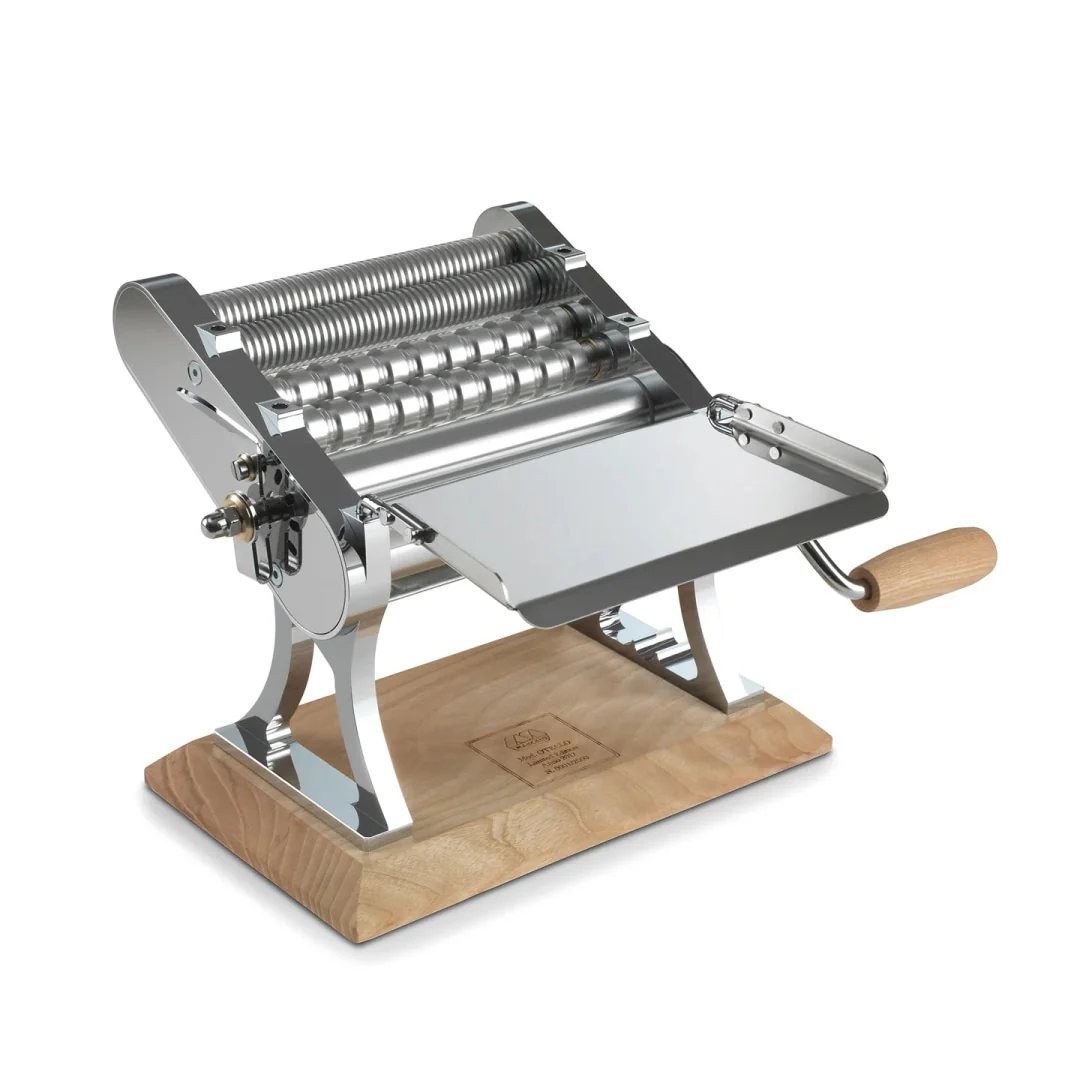
The journey of pasta making has seen remarkable evolution. While rudimentary pasta machines date back centuries—with early designs featuring simple wooden boxes and brass rollers in 13th-century Italy, and later hand-cranked devices in the 18th century—the concept of an “automatic” machine as we know it today is a more recent innovation. The first fully automated pasta machine for industrial use emerged in the 20th century, significantly boosting production capacity. Today’s household automatic models bring that efficiency directly to your countertop, allowing anyone to enjoy homemade pasta without the fuss.
A Look at Different Pasta Makers
While our focus is on automatic models, it’s worth understanding the broader landscape of pasta makers to appreciate their unique advantages:
- Manual Pasta Rollers: These classic, hand-cranked machines require physical effort to flatten dough into sheets, which are then manually cut into noodles. They offer immense control and a deeply satisfying, traditional experience, but can be labor-intensive.
- Stand Mixer Attachments: Many popular stand mixers offer attachments that roll and cut pasta. These utilize the mixer’s motor for the rolling process but still require some manual guidance and typically only make flat sheet pasta and two common cuts like spaghetti and fettuccine.
- Electric Extrusion Pasta Makers: This is where the magic of “automatic” truly shines. These machines are all-in-one units that mix your ingredients, knead the dough, and then force it through interchangeable dies to produce perfectly shaped pasta. From start to finish, the process is largely hands-free, making them ideal for those seeking speed and convenience.
The Unbeatable Benefits of Owning an Automatic Pasta Maker
Bringing an automatic pasta maker into your kitchen unlocks a world of culinary possibilities, offering advantages that extend far beyond mere convenience.
Time-Saving and Effortless Convenience
One of the most compelling benefits is the dramatic reduction in time and effort. Forget the sticky hands, endless kneading, and intricate rolling. An automatic machine does the heavy lifting, mixing and kneading the dough to perfection in minutes. You simply add your ingredients, press a button, and watch as fresh pasta emerges, ready for cooking. For busy individuals or families, this means delicious homemade meals are no longer a weekend luxury but an everyday reality.
Consistent, Restaurant-Quality Results
Achieving the ideal pasta texture and consistency can be challenging with manual methods. Automatic pasta makers, however, deliver uniform strands every time, eliminating human error. The precise mixing and powerful extrusion ensure that your pasta has the perfect bite and absorption for sauces, rivaling the quality found in your favorite Italian restaurant. As Chef Isabella Rossi, a renowned Master Pasta Artisan, often says, “An automatic pasta maker doesn’t just save time; it elevates your culinary output, consistently crafting pasta that tastes like it was made by nonna, but with modern precision.”
Healthier Homemade Options
Taking control of your ingredients is a significant health advantage. With an automatic pasta maker, you decide exactly what goes into your pasta, allowing you to:
- Avoid Preservatives: Store-bought dried pasta often contains additives for shelf life. Homemade pasta is free from these, offering a fresher, cleaner taste.
- Experiment with Flours: Easily use whole-grain, gluten-free, or alternative flours like semolina, spelt, or chickpea flour to cater to dietary needs or explore new flavors without compromising texture.
- Add Vegetables: Incorporate vegetable purees like spinach or beet juice directly into your dough for added nutrients and vibrant colors.
Unleash Your Culinary Creativity
The versatility of automatic pasta makers encourages experimentation. With a range of interchangeable shaping discs (dies), you can create everything from classic spaghetti and fettuccine to penne, macaroni, lasagna sheets, bucatini, and fusilli. Beyond shapes, you can infuse your pasta dough with herbs, spices, or even vegetable purees to create unique flavors and colors that impress any dinner guest.
Easy Maintenance and Storage
Modern automatic pasta makers are designed with convenience in mind, extending to their cleanup. Many models feature detachable parts that are easy to rinse and often dishwasher-safe (always check your specific model’s manual). Cleaning tools are usually included to help clear dough from the extrusion discs, making post-pasta cleanup surprisingly straightforward. Their compact designs also ensure they don’t consume excessive counter or storage space.
How to Master Your Automatic Pasta Maker Machine
Using an automatic pasta maker is surprisingly simple, transforming what seems like a complex process into an enjoyable culinary adventure.
Assembling the Machine
Most automatic pasta makers are intuitive to assemble. You’ll typically connect the mixing chamber, secure the kneading shaft, attach your chosen pasta die, and then secure the front cover. Always refer to your machine’s manual for precise instructions, as models can vary slightly.
Ingredient Ratios for Perfect Pasta
Success largely hinges on the correct dough consistency. While you might be tempted to use your grandmother’s recipe, it’s often best to start with the recipes provided by your machine’s manufacturer. These are formulated specifically for the machine’s mixing and extrusion capabilities. Typically, you’ll need flour (often a mix of all-purpose and semolina), water, and sometimes eggs. Precision is key, so measuring ingredients by weight (grams) is highly recommended.
The Pasta Making Process
- Add Dry Ingredients: Begin by adding your flour to the mixing chamber.
- Start Mixing: Close the lid and start the machine’s mixing function.
- Gradually Add Liquid: While the machine is mixing, slowly pour your water (and egg, if using) through the designated opening in the lid.
- Kneading and Extrusion: The machine will mix and knead the dough until it reaches the optimal consistency. Once ready, it will automatically begin to extrude the pasta through the die.
- Cut to Length: Use the included cutting tool to slice the pasta to your desired length as it emerges.
Tips for Perfect Pasta
- Don’t Over-Hydrate: Too much liquid can result in sticky, mushy pasta. If your dough looks too wet, add a tiny bit more flour.
- Flour Lightly: As the pasta extrudes, a light dusting of flour can help prevent strands from sticking together, especially if you plan to dry them briefly.
- Cook Immediately (Usually): Fresh pasta often doesn’t require extensive drying. If it’s slightly floured, you can typically boil it as soon as your water comes to a rolling boil. If it feels too moist, a short 15-30 minute rest on a drying rack or floured tray can help.
- Boil Fresh Pasta Quickly: Unlike dried pasta, fresh pasta cooks in mere minutes—usually 3 to 5, or slightly longer for thicker shapes like penne. Cook until al dente, firm yet tender. Remember to salt your boiling water generously and stir gently when adding pasta to prevent clumping.
Beyond Spaghetti: Pasta Varieties You Can Create
The world of pasta is vast, and your automatic pasta maker opens the door to countless variations:
- Classic Shapes: Easily create staples like spaghetti, fettuccine, linguine, penne, fusilli, macaroni, and broad lasagna sheets.
- Unique Textures: Experiment with doughs to produce pasta with varying chewiness and bite.
- Flavored Pasta: Infuse your dough with spinach for green pasta, beet puree for red, or squid ink for dramatic black noodles. Herbs like basil or oregano can also be incorporated for aromatic twists.
- Gluten-Free Delights: With the right gluten-free flour blend (often rice flour, corn flour, or a commercial gluten-free pasta blend), you can produce delicious and safe pasta for those with dietary restrictions.
Keeping Your Machine Pristine: Maintenance and Cleaning Tips
A well-maintained machine is a happy machine. Cleaning your automatic pasta maker promptly after use will ensure its longevity and optimal performance.
- Disassemble: Once you’re done, carefully disassemble all removable parts, including the mixing paddle, chamber, die, and covers.
- Remove Dough Residue: For the best results, let any residual dough on the parts air dry for about 10-15 minutes. This makes it easier to brush off or flake away. Use the specialized cleaning tools that often come with your machine, particularly for the small holes in the extrusion dies.
- Wash Components: Rinse the parts under hot water. Many plastic and metal components are top-rack dishwasher safe, but always double-check your manual. For hand washing, a soft brush can help dislodge any stubborn bits.
- Dry Thoroughly: Ensure all components are completely dry before reassembling or storing to prevent any moisture buildup or potential rust on metal parts.
Pairing Perfection: Sauce Recipes for Your Fresh Pasta
Fresh pasta elevates any sauce it meets. Here are a few timeless combinations that truly sing with homemade noodles:
- Simple Tomato Basil: A light, vibrant sauce made with ripe tomatoes, fresh basil, garlic, and a touch of olive oil. Perfect for delicate spaghetti or linguine, allowing the fresh pasta flavor to shine.
- Creamy Alfredo: A rich, indulgent sauce with butter, heavy cream, and Parmesan cheese. This classic is a dream with wide fettuccine or pappardelle, where the broad noodles capture every bit of the luxurious sauce.
- Hearty Bolognese: A slow-simmered meat sauce featuring ground beef, pork, vegetables, and tomatoes. Ideal for robust pasta like tagliatelle or rigatoni, which can stand up to the sauce’s depth and texture.
- Pesto Genovese: A fresh, aromatic sauce made from basil, pine nuts, garlic, Parmesan, Pecorino, and olive oil. Best paired with twisted pasta like fusilli or corkscrew cavatappi that trap the herbaceous goodness.
Frequently Asked Questions
Q: How long does it typically take to make pasta with an automatic machine?
A: With an automatic pasta maker, you can usually prepare fresh pasta dough and extrude it in as little as 10 to 20 minutes, significantly faster than traditional methods.
Q: Can I use any type of flour in my automatic pasta maker?
A: While all-purpose flour and semolina are common, you can experiment with various flours like whole wheat, spelt, or even gluten-free blends. It’s crucial to follow the manufacturer’s recommended liquid-to-flour ratios, as different flours absorb moisture differently.
Q: Is cleaning an automatic pasta maker difficult?
A: Most automatic pasta makers are designed for easy cleaning. Their parts are often detachable and can be rinsed under hot water, and many are dishwasher-safe. Letting dough remnants dry slightly can make them easier to remove with the included cleaning tools.
Q: Are automatic pasta makers expensive?
A: Prices vary widely based on brand, features, and capacity. Household models typically range from a few hundred dollars, while commercial-grade units can be significantly more. Investing in a quality machine often translates to greater durability and performance over time.
Q: Can I make gluten-free pasta using these machines?
A: Absolutely! Automatic pasta makers are excellent for making gluten-free pasta. By using appropriate gluten-free flour blends, you can create a variety of shapes and types without sacrificing taste or texture.
Elevate Your Pasta Experience Today
Automatic pasta maker machines have truly revolutionized how we approach homemade pasta. They liberate us from the time-consuming tasks of traditional methods, offering unparalleled convenience, consistent results, and endless creative possibilities. From crafting healthier meals tailored to your dietary needs to simply enjoying the pure satisfaction of fresh, flavorful pasta, these machines are an invaluable addition to any kitchen. So, why wait? Embrace the future of pasta making and discover the joy of effortless, homemade “Pasta Hoàn Hảo” with an automatic pasta maker machine.