There’s something undeniably magical about fresh, homemade pasta. It’s a world away from the dried, boxed varieties, offering a delicate texture and vibrant flavor that elevates any meal into a culinary experience. If you’ve ever dreamt of transforming simple flour and eggs into silky strands of tagliatelle or perfectly shaped ravioli, then finding the Best Homemade Pasta Maker is your first step into a delightful kitchen adventure. This guide will walk you through everything you need to know to choose the perfect machine and start crafting incredible pasta right in your own kitchen.
The Enduring Allure: A Brief History of Pasta Making
The art of pasta making stretches back centuries, deeply ingrained in Italian culture. For generations, pasta was made by hand, a labor of love involving kneading, rolling, and cutting dough with simple tools like rolling pins and knives. As culinary traditions evolved, so did the tools. The invention of the pasta maker revolutionized home cooking, bringing efficiency and consistency to a once laborious process. These ingenious machines allowed home cooks to achieve uniform pasta sheets and precise cuts, making fresh pasta accessible to everyone, not just seasoned nonnas. Today, the spirit of tradition meets modern convenience in the form of a reliable homemade pasta maker, bridging the gap between historical techniques and contemporary kitchen needs.
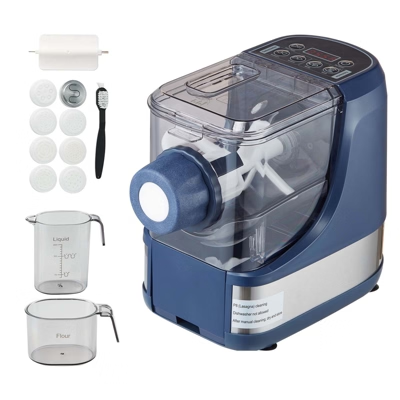
Understanding the Heart of Your Kitchen: The Pasta Maker
At its core, a pasta maker is a device designed to simplify the process of transforming pasta dough into various shapes and thicknesses. Whether you’re aiming for paper-thin lasagna sheets or hearty spaghetti, a good machine helps you achieve consistent results that are difficult to replicate by hand. It takes the heavy lifting out of rolling and cutting, allowing you to focus on the joy of creation. From simple, hand-operated rollers to sophisticated electric extruders, there’s a homemade pasta maker out there to suit every cooking style and kitchen setup.
A World of Options: Different Types of Homemade Pasta Makers
Choosing the best homemade pasta maker often starts with understanding the different types available, each offering a unique experience and set of advantages.
Manual Pasta Makers: The Traditionalist’s Choice
Manual pasta makers, like the iconic Marcato Atlas 150 or the dependable Imperia, are the quintessential image many people conjure when thinking of a pasta machine. These hand-cranked devices typically clamp onto your countertop and feature adjustable rollers for thinning dough and interchangeable cutters for spaghetti and fettuccine. They offer a hands-on, traditional pasta-making experience, giving you precise control over the dough’s thickness. Manual machines are often praised for their durability, affordability, and the satisfying ritual of cranking out fresh pasta. However, they do require a bit more effort and often a free hand to feed the dough while cranking.
Electric Pasta Makers: For Speed and Convenience
If convenience is your top priority, an electric pasta maker might be your ideal match. Machines like the Philips Pasta Maker automate much of the process, often mixing, kneading, and extruding pasta with minimal effort from your side. Simply add ingredients, and the machine does the rest, producing fresh pasta in as little as 10-15 minutes. While generally pricier than their manual counterparts, electric pasta makers are perfect for busy households or those who prefer a less labor-intensive approach, delivering consistent results with impressive speed. They often come with various shaping discs for a wider array of pasta types.
Stand Mixer Attachments: Leveraging Your Existing Appliances
For those who already own a powerful stand mixer, such as a KitchenAid, pasta maker attachments offer a clever way to expand its capabilities without buying a whole new appliance. These attachments, including rollers and various cutters, connect to your mixer’s power hub, using its motor to do the rolling and cutting for you. This frees up your hands, making the process smoother, especially when working with larger batches. The KitchenAid Pasta Roller & Cutter Attachment Set is a popular example, known for its sturdy construction and consistent performance. While they require an initial investment in the stand mixer itself, these attachments are a fantastic space-saving and efficient option.
Extruder Pasta Makers: For Diverse Shapes
While roller-style pasta makers excel at creating flat sheets and long, ribbon-like pasta, extruder pasta makers specialize in a broader range of shapes, including hollow tubes and intricate forms. These machines, often electric, push dough through various dies (shaping discs) to produce shapes like penne, rigatoni, bucatini, fusilli, and even macaroni. They are particularly useful for making pasta that holds thicker, heartier sauces, adding incredible versatility to your homemade pasta repertoire.
Why You Need a Homemade Pasta Maker: The Benefits Beyond Belief
Investing in the best homemade pasta maker offers a multitude of advantages that go far beyond just having pasta for dinner.
- Unmatched Freshness and Flavor: This is arguably the biggest draw. Fresh pasta has a delicate, tender texture and a richer, more nuanced flavor that simply cannot be replicated by store-bought dried pasta. The difference is truly astounding, transforming everyday meals into gourmet experiences.
- Total Control Over Ingredients: Making pasta from scratch means you know exactly what goes into your food. You can choose high-quality flours (like Italian ’00’ flour or semolina), use organic eggs, and avoid preservatives, artificial colors, or additives often found in commercial pasta. This is a huge benefit for health-conscious individuals or those with dietary restrictions, as you can easily make whole-wheat, gluten-free, or even vegetable-infused pasta.
- Consistent Results Every Time: Achieving uniform thickness and perfectly cut shapes by hand is challenging. A good homemade pasta maker takes out the guesswork, ensuring consistent sheets and noodles, which in turn leads to even cooking and a superior dining experience.
- Time and Cost Savings (in the long run): While there’s an initial investment in the machine, making your own pasta can be more economical than buying specialty fresh pasta from stores. Electric machines, in particular, drastically cut down preparation time, making it feasible to whip up fresh pasta even on a weeknight.
- Fun and Creative Culinary Exploration: Pasta making is a wonderfully engaging activity, perfect for involving family and friends. Experiment with different flours, add herbs or spices to your dough for unique flavors, and explore countless pasta shapes. It’s a creative outlet that yields delicious rewards.
How to Use Your Homemade Pasta Maker: A Step-by-Step Guide for Basic Pasta
Even if you’re a complete novice, using a homemade pasta maker is surprisingly straightforward. Here’s a basic guide to get you started:
- Prepare Your Dough: Start with a simple pasta dough recipe, typically using flour, eggs, and a pinch of salt. Mix and knead the dough until it’s smooth and elastic. This can be done by hand or in a stand mixer. Let it rest for at least 30 minutes to allow the gluten to relax.
- Divide and Flatten: Divide your dough into manageable portions. Lightly dust one piece with flour and flatten it slightly with your hands or a rolling pin until it’s thin enough to feed into the widest setting of your pasta maker.
- Roll the Sheets: Feed the flattened dough through the widest setting of your pasta maker. Fold the dough into thirds, rotate it, and feed it through the widest setting again. Repeat this process 5-7 times; this acts as a final kneading step and helps create a smooth, pliable sheet.
- Gradually Thin the Dough: Once the dough is smooth, begin to reduce the thickness setting on your machine, one notch at a time. Pass the dough through each setting once or twice, lightly dusting with flour if it becomes sticky, until you reach your desired thickness. For most pasta, settings 6-7 on a manual roller are ideal.
- Cut Your Noodles: Attach the desired cutter (spaghetti, fettuccine, etc.) to your machine. Feed the thinned pasta sheet through the cutter, catching the freshly cut noodles as they emerge.
- Lightly Dry: Gently gather the fresh pasta and place it on a lightly floured surface, a pasta drying rack, or a baking sheet. Allow it to dry for 15-30 minutes, or longer if you’re making shapes that tend to stick, to prevent clumping when cooking.
- Cook and Enjoy: Cook your fresh pasta in plenty of salted boiling water. Fresh pasta cooks much faster than dried, often in just 2-4 minutes, so keep a close eye on it!
Keeping Your Machine Pristine: Maintenance and Cleaning Tips
Proper care ensures your homemade pasta maker remains in top condition for years of delicious meals.
- No Water for Rollers: For most manual and roller-style attachments, never immerse them in water. Water can cause rust and damage the internal mechanisms.
- Brush It Off: Use a dry pastry brush, a stiff-bristled cleaning brush, or even toothpicks to remove any stuck-on dough or flour. Let any stubborn dough dry completely, then it will be easier to flake off.
- Air Dry Thoroughly: After brushing, allow all parts to air dry completely before storing to prevent any moisture buildup.
- Refer to the Manual: Always consult your specific machine’s instruction manual for detailed cleaning and maintenance guidelines, as electric and extruder models may have different care requirements. Some electric models might have dishwasher-safe components.
Beyond the Basics: Italian Pasta Types You Can Master with Your Machine
Your homemade pasta maker opens up a world of Italian culinary delights. Here are just a few of the pasta types you can create:
- Long Pasta:
- Spaghetti: Classic thin, round strands.
- Fettuccine/Tagliatelle: Flat, ribbon-like noodles, perfect for creamy sauces.
- Linguine: Slightly narrower than fettuccine, often paired with seafood.
- Pappardelle: Wide, broad ribbons, excellent with rich, meaty sauces.
- Sheet Pasta:
- Lasagna Sheets: Wide, flat sheets for layered casseroles.
- Ravioli/Tortellini: Delightful stuffed pasta, made by cutting and sealing filled pasta sheets.
- Tubular/Short Pasta (typically with an extruder):
- Penne: Short, ridged tubes.
- Rigatoni: Larger, wider tubes with ridges.
- Fusilli: Spiral-shaped pasta.
- Bucatini: Spaghetti-like strands with a hollow center.
Pairing Perfection: Essential Sauce Recipes
Fresh pasta truly shines when paired with the right sauce. Here are some simple, classic options:
- Classic Marinara: A vibrant, simple tomato sauce that lets the freshness of your pasta sing. Sauté garlic, add crushed tomatoes, basil, and simmer.
- Creamy Alfredo: Rich and indulgent, made with butter, heavy cream, and Parmesan cheese. Toss with fettuccine for a truly decadent experience.
- Fresh Basil Pesto: A bright, aromatic sauce made with basil, pine nuts, garlic, Parmesan, and olive oil. Fantastic with any long pasta.
- Aglio e Olio (Garlic and Oil): The epitome of simple elegance. Sauté sliced garlic in olive oil, add a pinch of chili flakes, and toss with spaghetti.
Expert Insight: Choosing Your Ideal Pasta Maker
“When selecting a homemade pasta maker, consider your lifestyle and culinary ambitions,” advises Isabella Rossi, a renowned Italian culinary educator. “If you cherish tradition and enjoy the process, a sturdy manual machine like the Marcato Atlas 150 is a timeless choice. For the busy home cook seeking speed and variety with minimal effort, an electric extruder or a versatile stand mixer attachment will be your best friend. Ultimately, the best machine is the one that inspires you to create fresh pasta regularly, bringing the joy of Italian cooking into your home.”
Frequently Asked Questions (FAQ)
Q: Is homemade pasta really better than store-bought?
A: Absolutely! Homemade pasta offers a superior texture, freshness, and flavor that dried, store-bought pasta simply cannot match. You also have complete control over the ingredients, ensuring a healthier and more personalized meal.
Q: How much does a good homemade pasta maker cost?
A: Prices vary widely depending on the type and brand. Manual pasta makers can range from $50-$150, stand mixer attachments typically fall between $100-$250, and electric models can be anywhere from $150-$400+.
Q: Can I make gluten-free pasta with a machine?
A: Yes, many homemade pasta makers work beautifully with gluten-free flour blends. You’ll want to follow specific gluten-free pasta dough recipes, as the dough might have a different consistency than traditional wheat-based dough.
Q: How often should I clean my pasta maker?
A: It’s best to clean your pasta maker immediately after each use. This prevents dough from hardening and becoming difficult to remove. A quick brush-down and air dry are usually sufficient for roller-type machines.
Q: What’s the difference between a manual and electric pasta maker?
A: Manual pasta makers are hand-cranked, offering a traditional, hands-on experience and precise control. Electric pasta makers automate the rolling, kneading, and often the extruding process, providing speed and convenience with less physical effort.
Q: What kind of flour should I use for homemade pasta?
A: For traditional egg pasta, Italian ’00’ flour or all-purpose flour works well. For extruded pasta shapes, especially those made with water, semolina flour (durum wheat semolina) is often preferred for its strong gluten structure and coarse texture.
Embark on Your Pasta-Making Journey
Making fresh pasta at home is a rewarding culinary endeavor that brings unparalleled flavor and joy to your kitchen. With the best homemade pasta maker, you unlock the secrets of authentic Italian cuisine, allowing you to craft delectable dishes tailored precisely to your taste. Whether you’re a seasoned chef or a curious beginner, the satisfaction of serving your own handmade pasta, made with love and precision, is truly priceless. So, choose your machine, gather your ingredients, and prepare to delight your senses with the incredible taste of fresh, homemade pasta!