Dreaming of fresh, authentic pasta but dreading the elbow grease? If you’re a proud KitchenAid stand mixer owner, you’re already halfway to turning that dream into a delicious reality. Investing in the Best Pasta Maker Attachment For Kitchenaid can transform your kitchen into a genuine Italian trattoria, making homemade pasta an accessible and truly enjoyable culinary adventure. Forget the boxed stuff; get ready to taste the difference that fresh, perfectly textured pasta brings to your table.
The journey of pasta making has evolved wonderfully over centuries. From simple hands rolling dough on wooden boards in ancient Italy, to the intricate hand-crank machines of the industrial age, and now to the convenience of modern electric attachments, the desire for fresh pasta has endured. The KitchenAid stand mixer, a beloved workhorse in countless kitchens, ushers in a new era of ease, taking the manual labor out of rolling and cutting, and letting you focus on the art of creation.
Unraveling the Different Types of KitchenAid Pasta Attachments
When diving into the world of KitchenAid pasta attachments, you’ll primarily encounter two main categories: the versatile roller and cutter sets, and the innovative pasta press, also known as an extruder. Each offers a unique approach to pasta making and excels at crafting different shapes.
The Classic Pasta Roller and Cutter Set
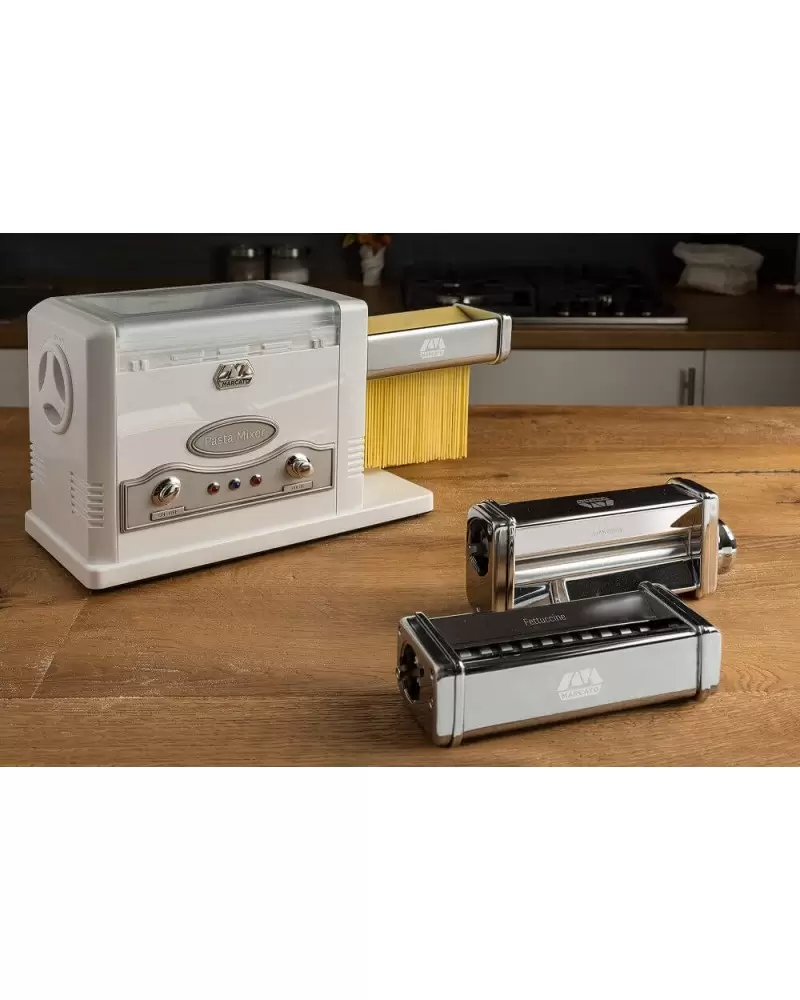
This is often the first attachment that comes to mind for many home cooks, and for good reason. Typically, KitchenAid offers a 3-piece set that includes a pasta roller and two cutters: one for fettuccine and another for spaghetti. Some deluxe sets might also include cutters for capellini (angel hair) and lasagnette.
The pasta roller is your foundation. It attaches to the power hub of your KitchenAid mixer and, with its eight adjustable thickness settings, effortlessly transforms your dough into uniform, delicate sheets. This hands-free operation is a game-changer, allowing you to guide the dough with both hands, ensuring perfect consistency without the struggle of a manual crank. These sheets are ideal for creating lasagna, ravioli, tortellini, or even hand-cut pappardelle.
Once your pasta sheets are perfectly thinned, the cutter attachments take over. Simply swap the roller for the fettuccine or spaghetti cutter, feed your sheets through, and watch as perfectly uniform strands emerge. This method ensures clean cuts and beautifully shaped noodles, ready for your favorite sauces.
Pros:
- Effortless Rolling: The mixer does the hard work, freeing your hands.
- Consistent Thickness: Achieves perfectly even sheets, crucial for superior texture.
- Versatility: Creates sheets for various flat and filled pastas, plus classic cut noodles.
- Durability: Many KitchenAid brand attachments are praised for their robust, all-metal construction.
Cons:
- Limited Shapes: Primarily focuses on flat sheets and ribbon-style pastas.
- Price Point: Genuine KitchenAid sets can be a significant investment.
The Gourmet Pasta Press (Extruder)
For those who crave more unique pasta shapes, the KitchenAid Gourmet Pasta Press is a fantastic option. Unlike the roller, this attachment pushes dough through various dies, creating hollow or more intricate shapes that are difficult or impossible to achieve with rollers. With six interchangeable discs, you can create true spaghetti (round, not flat like roller-cut spaghetti), bucatini, rigatoni, fusilli, large macaroni, and small macaroni.
The pasta press uses the mixer’s power to force a stiffer dough through the chosen die, and a built-in wire cutter allows you to trim the pasta to your desired length. Watching the different shapes emerge is quite satisfying and opens up a whole new world of pasta possibilities.
Pros:
- Unique Shapes: Specializes in extruded pasta forms like bucatini and rigatoni.
- Authenticity: Creates shapes that hold hearty sauces beautifully.
Cons:
- Specific Dough Requirements: Often needs a much stiffer, lower-hydration dough (sometimes 50/50 semolina and all-purpose flour) that might seem crumbly at first.
- Slower Process: Can be slower than rolling, and some users find it a bit fiddlier.
- Cleaning: Dough can sometimes get stuck in the dies, requiring more diligent cleaning with the included tool.
- Potential for Inconsistency: Some users report that certain shapes, like fusilli, don’t always twist perfectly or that hollow shapes don’t retain their holes consistently if the dough isn’t just right.
The Rise of Third-Party Attachments
Beyond KitchenAid’s own offerings, a vibrant market of third-party pasta maker attachments has emerged. These often mimic the design and functionality of the official sets, providing more budget-friendly alternatives. Many boast all-stainless steel construction and aim to deliver comparable performance.
When considering a third-party attachment, reviews are your best friend. Look for feedback regarding durability, ease of use, and most importantly, how well they produce pasta. Some can be excellent value, providing a great entry point into homemade pasta without the higher upfront cost of the KitchenAid brand. However, quality can vary, so choose wisely.
Why a KitchenAid Pasta Attachment is a Kitchen Must-Have
“There’s something truly magical about transforming simple flour and eggs into a culinary masterpiece right in your own kitchen,” shares Chef Marco Rossi, a celebrated Italian food expert. “The KitchenAid pasta attachments don’t just save time; they connect you to generations of tradition and elevate your cooking to an artisanal level.”
Owning a KitchenAid pasta attachment isn’t just about making food; it’s about enhancing your culinary experience.
Superior Taste and Texture
This is the number one reason. Fresh pasta has a delicate texture and vibrant flavor that store-bought, dried pasta simply can’t match. It cooks faster, absorbs sauces more effectively, and has a delightful chewiness that’s truly incomparable. Once you taste homemade, there’s no going back.
Unleash Your Culinary Creativity
With a pasta roller, you can experiment with different flours (semolina, ’00’ flour, whole wheat), add flavorings like spinach or beet puree to your dough for vibrant colors and subtle tastes, and even create unique stuffed pastas like ravioli or tortellini tailored to your preferences. The extruder opens up possibilities for hearty shapes that complement rich, chunky sauces.
Convenience and Time-Saving
The KitchenAid mixer automates the most labor-intensive parts of pasta making. No more sore arms from hand-cranking or endlessly rolling dough with a pin. This means you can whip up fresh pasta for a weeknight meal almost as easily as boiling dried pasta, making healthy, homemade meals more accessible than ever.
A Fun and Rewarding Activity
Making pasta, especially with the ease of a KitchenAid attachment, is an incredibly satisfying process. It’s a wonderful activity to do with family and friends, teaching children about cooking from scratch, and creating lasting memories around the kitchen island.
Mastering Your KitchenAid Pasta Attachment: A Simple Guide
Getting started with your KitchenAid pasta attachment is simpler than you might think. Here’s a basic overview to get you rolling.
Crafting the Perfect Dough
The journey to perfect pasta begins with the dough. For rolled pasta, a classic egg pasta dough is ideal:
- Ingredients: Combine 2 cups all-purpose flour (or ’00’ flour), 3 large eggs, and a pinch of salt in your KitchenAid mixer bowl with the dough hook attachment.
- Kneading: Mix on low speed for 8-10 minutes until the dough forms a smooth, elastic ball. If it’s too dry, add a teaspoon of water; if too wet, a sprinkle of flour.
- Rest: Wrap the dough tightly in plastic wrap and let it rest at room temperature for at least 30 minutes. This allows the gluten to relax, making the dough easier to roll.
For extruded pasta, remember the dough needs to be much stiffer. A common ratio is 50% semolina flour and 50% all-purpose flour, with a lower hydration, resulting in a crumbly texture before pressing.
Rolling with Precision
Once rested, your dough is ready for the roller:
- Attach the Roller: Securely attach the pasta roller to your KitchenAid mixer’s power hub.
- Flatten Dough: Divide your dough into smaller, manageable portions and flatten each into a rectangle. Lightly flour it.
- Initial Pass: Set the roller to its widest setting (usually ‘1’). Turn the mixer to speed ‘2’ and feed the dough through. Fold the dough in half or in thirds and pass it through again at the same setting 2-3 times. This helps to further knead and smooth the dough.
- Gradual Thinning: Adjust the roller to the next thinner setting (‘2’), and pass the dough through once. Continue this process, progressively decreasing the thickness (e.g., from ‘1’ to ‘2’, then ‘3’, and so on) until you reach your desired pasta thickness. For most recipes, settings ‘5’ or ‘6’ are perfect for fettuccine or spaghetti, while lasagna might stop at ‘4’.
Cutting and Shaping
Once your sheets are rolled to perfection:
- Switch Attachments: Remove the roller and attach your desired cutter (fettuccine, spaghetti, etc.) or the Gourmet Pasta Press.
- Cut Noodles: Set the mixer to speed ‘2’ and feed the pasta sheets through the cutter. Gently catch the emerging noodles, tossing them lightly with flour to prevent sticking.
- Extrude Shapes: If using the pasta press, feed the stiff dough into the hopper. The mixer will slowly press out the desired shape, which you can cut with the wire cutter to your preferred length.
- Dry or Cook: Cook your fresh pasta immediately, or dry it on a pasta drying rack for a few hours before storing.
Essential Tips for Maintenance and Cleaning
Proper care ensures your KitchenAid pasta attachments last for years.
- Never Immerse in Water: This is crucial! Water can damage the internal mechanisms and lead to rust.
- Allow to Dry: After use, let any residual dough dry completely on the attachments (usually for an hour or two).
- Brush It Off: Use a small, stiff-bristled brush or a toothpick to gently remove all dried dough from crevices, rollers, and cutters. The pasta press often comes with a specific cleaning tool for its dies.
- Wipe Clean: Once all dough is removed, wipe the attachments with a dry cloth.
- Store Properly: Store your attachments in their original box or a protective case to keep them free from dust and damage.
A World of Pasta: Italian Types You Can Create
With your KitchenAid pasta attachment, a diverse array of Italian pasta types becomes achievable.
With the Pasta Roller and Cutter Set:
- Fettuccine: Wide, flat ribbons perfect for creamy Alfredo sauce.
- Spaghetti: Classic thin, round strands, ideal with marinara or Bolognese.
- Lasagna Sheets: Broad, flat sheets forming the layers of baked lasagna.
- Ravioli/Tortellini: Custom-filled pockets using your homemade pasta sheets.
- Pappardelle: Wide, flat noodles, easily cut by hand from rolled sheets, excellent with rich meat sauces.
- Tagliatelle: Similar to fettuccine but slightly narrower, often paired with Ragu.
With the Gourmet Pasta Press (Extruder):
- Bucatini: Thick, hollow spaghetti, fantastic for Amatriciana or Carbonara.
- Rigatoni: Large, ridged tubes, great for hearty baked dishes or rich sauces that cling to the ridges.
- Fusilli: Corkscrew-shaped pasta, wonderful in pasta salads or with pesto.
- Macaroni: Small, curved tubes, perfect for classic macaroni and cheese or soups.
Perfect Pairings: Sauces for Your Homemade Creations
The beauty of fresh pasta lies in its ability to complement sauces.
- For delicate, thin pastas like spaghetti or capellini, light tomato sauces, aglio e olio, or pesto work beautifully.
- Fettuccine and tagliatelle shine with creamy sauces like Alfredo or rich mushroom sauces.
- The robust, ridged shapes from the extruder, such as rigatoni or bucatini, are perfect for chunkier meat sauces like ragu, hearty vegetable sauces, or baked pasta dishes, as their shape helps trap the sauce.
Frequently Asked Questions About KitchenAid Pasta Attachments
Is the KitchenAid pasta attachment worth the investment?
Absolutely! For lovers of homemade pasta, the KitchenAid attachments save significant time and effort compared to manual machines, producing consistently high-quality pasta sheets and noodles that elevate your cooking.
Which is better: the pasta roller or the extruder?
It depends on your preference! The pasta roller excels at flat sheets for lasagna, ravioli, and ribbon-cut pastas like fettuccine and spaghetti. It’s generally easier to use and clean. The pasta extruder is best for creating unique, hearty shapes like bucatini, rigatoni, and fusilli. If you primarily want classic flat and ribbon pasta, the roller set is often the preferred choice. Many passionate pasta makers eventually own both.
Can I use third-party KitchenAid pasta attachments?
Yes, many high-quality third-party attachments are available. They often offer a more budget-friendly entry point and can perform very well. Always check reviews to ensure durability and good performance.
How do I clean my pasta attachments properly?
Never wash them with water or put them in a dishwasher. Instead, let any remaining dough dry completely, then use a small, stiff brush or a toothpick to remove all dried flour and pasta bits. Finally, wipe them clean with a dry cloth.
What kind of dough should I use for the pasta extruder?
The extruder typically requires a stiffer, lower-hydration dough than what you’d use for rolled pasta. A common recommendation is a 50/50 mix of all-purpose flour and semolina flour, with just enough liquid to bring it together into a crumbly, not sticky, consistency. This stiffer dough helps the shapes hold better.
Can I make ravioli with these attachments?
While there is a specific ravioli maker attachment (sold separately), you can easily make ravioli using the pasta roller. Simply roll out two thin sheets of dough, place your filling between them, and seal and cut them by hand or with a ravioli stamp.
Embrace the Art of Fresh Pasta
Choosing the best pasta maker attachment for your KitchenAid truly depends on your pasta preferences. Whether you opt for the classic roller and cutter set for elegant sheets and ribbons, or the gourmet pasta press for robust, extruded shapes, you’re investing in a tool that will bring joy, creativity, and incredible flavor to your kitchen. The satisfaction of serving a dish of homemade pasta, crafted with your own hands and the assistance of your trusty KitchenAid, is an unparalleled culinary reward. So, dust off your mixer, gather your ingredients, and get ready to roll, press, and savor the unforgettable taste of fresh pasta.