There’s something truly magical about homemade pasta. The tender bite, the fresh aroma, the way it perfectly clings to your favorite sauce—it’s an experience that box pasta just can’t replicate. If you’re ready to elevate your culinary game and bring the authentic taste of Italy into your kitchen, finding the Best Pasta Maker Machine is your first step. It transforms what seems like a daunting task into a delightful and surprisingly simple process, making fresh pasta accessible to everyone.
The Enduring Legacy: A Brief History of Pasta Making
The story of pasta is as rich and winding as a strand of tagliatelle. While many romanticize Marco Polo bringing pasta from China, evidence suggests pasta-like dishes existed in Italy much earlier. The Etruscans, for instance, were crafting simple flour and water dough sheets as far back as the 4th century B.C. The ancient Greeks later enhanced the dough with eggs, making it more pliable.
The true journey toward modern pasta making saw significant strides in 17th-century Naples, where rudimentary machines for kneading and pressing dough began to emerge, making production more efficient and cost-effective. Fast forward to the 19th century, and the invention of the rolling machine revolutionized pasta manufacturing, shifting it from a laborious handcraft to a more industrialized process. Even American history has a delicious footnote: President Thomas Jefferson himself is credited with introducing the first macaroni machine to the United States in 1789 after his time as an ambassador in France. These early innovations laid the groundwork for the diverse and capable pasta maker machines we enjoy today.
Why Go Homemade? The Irresistible Benefits of a Pasta Maker Machine
Owning the best pasta maker machine isn’t just about a gadget; it’s about unlocking a world of culinary advantages that transform your home cooking.
Unmatched Freshness and Flavor
This is perhaps the biggest draw. Freshly made pasta boasts a delicate texture and vibrant flavor that store-bought, dried varieties simply cannot match. You’ll notice the difference in every forkful—a truly superior eating experience.
Total Control Over Ingredients (Healthier Options)
When you make pasta at home, you’re the boss of your ingredients. Want whole-wheat pasta? Easy. Need gluten-free? No problem. You can avoid preservatives, artificial colors, and excess sodium often found in packaged pasta. It’s a fantastic way to cater to dietary needs or simply enjoy a healthier meal, often incorporating fresh herbs or vegetable purees directly into your dough for added flavor and nutrition.
Culinary Versatility and Creativity
A pasta maker isn’t just for spaghetti and lasagna. With various attachments and dies, you can explore a vast universe of pasta shapes. From classic fettuccine and delicate angel hair to robust rigatoni and intricate ravioli, your machine becomes a canvas for culinary creativity. You can experiment with different flours, add spices, or even infuse your dough with vibrant colors from natural ingredients like spinach or beet juice.
Achieving Consistent Perfection
One of the biggest challenges of making pasta by hand is achieving uniform thickness and texture. A quality pasta maker eliminates this guesswork, ensuring every sheet and strand is perfectly consistent. This not only leads to even cooking but also creates a more appealing presentation for your dishes.
Time and Effort Saved (Even for Beginners)
While making pasta from scratch might sound intimidating, a good machine drastically cuts down on the effort. Manual rollers make quick work of flattening dough, far easier than a rolling pin. Electric and automatic models take convenience to another level, often mixing, kneading, and extruding pasta in mere minutes, making fresh pasta a reality even on busy weeknights.
Long-Term Value for Your Kitchen
Though there’s an initial investment, the ingredients for homemade pasta (flour, eggs, water) are quite inexpensive. Over time, making your own pasta can be more cost-effective than repeatedly buying premium store-bought fresh pasta, reducing your grocery bill in the long run.
Navigating the Noodle World: Types of Pasta Maker Machines
When searching for the best pasta maker machine, you’ll encounter a few main types, each offering a unique experience.
Manual Pasta Makers
These are the classic, hand-cranked machines that clamp onto your countertop. They typically feature rollers for flattening dough into sheets and integrated cutters for common shapes like fettuccine and spaghetti.
- Pros: Affordability, excellent control over dough thickness, durable, offers a traditional, hands-on cooking experience. Many are compact and easy to store.
- Cons: Requires physical effort (one hand for cranking, one for guiding dough), can be slower, and often limited to long, flat pasta shapes unless you buy additional cutters.
- Ideal for: Enthusiasts who enjoy the process, those on a budget, and kitchens with limited space. Popular models include the Marcato Atlas 150 and Imperia Pasta Machine.
Electric Pasta Makers (Rollers & Extruders)
Electric pasta makers take much of the physical work out of the equation. Some models are motorized versions of roller/cutter machines, while others are full extruders.
- Electric Roller/Cutters: Similar to manual machines but with a motor to turn the rollers, freeing up both hands to handle the dough.
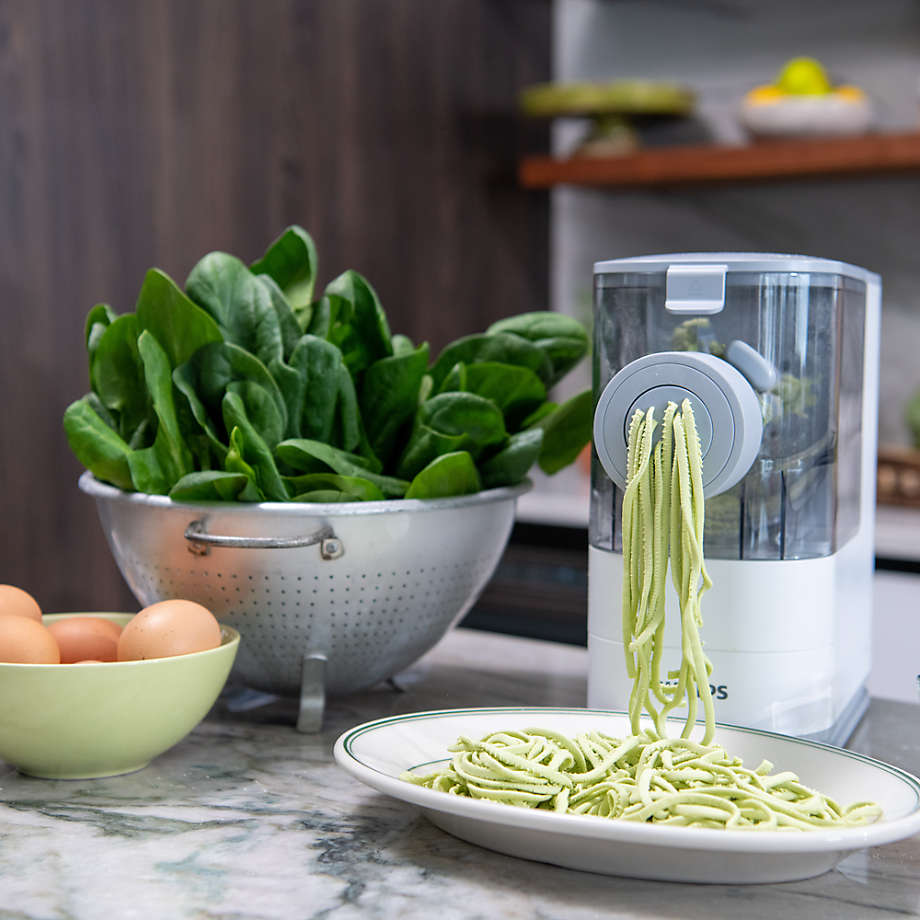
- Electric Extruders: These are often fully automatic. You add flour and liquid, and the machine mixes, kneads, and then pushes the dough through various dies to create a wide array of shapes, from spaghetti and penne to rigatoni and fusilli.
- Pros: Significantly reduces effort and time, consistent results, can produce many different shapes (especially extruders), great for larger batches.
- Cons: Generally more expensive, can be larger and heavier, some extruder models work best with specific dough recipes.
- Ideal for: Busy home cooks, beginners looking for ease, and those who want a wide variety of pasta shapes without extra attachments. The Philips Viva Collection Pasta and Noodle Maker and Emeril Lagasse Pasta & Beyond are well-regarded options.
Stand Mixer Attachments
If you already own a powerful stand mixer, attachments can be an excellent, space-saving option. These accessories connect to your mixer’s power hub, utilizing its motor to roll and cut pasta.
- Pros: Leverages existing kitchen equipment, saves counter space compared to a separate electric unit, often robust metal construction.
- Cons: Requires a compatible stand mixer, can be pricey for the attachments alone, and you might need to swap attachments for rolling then cutting.
- Ideal for: KitchenAid owners looking to expand their mixer’s capabilities without buying a whole new appliance. The KitchenAid Pasta Roller & Cutter Attachment Set is a prime example.
Choosing Your Perfect Partner: What to Look for in a Best Pasta Maker Machine
Selecting the best pasta maker machine for your kitchen involves weighing several factors to ensure it fits your cooking style and needs.
- Durability and Material: Look for robust construction, preferably stainless steel for rollers and cutters, as it’s durable and easy to clean. A sturdy clamp for manual machines is also crucial for stability.
- Thickness Settings: Most quality machines offer multiple thickness settings. A wider range (e.g., 6-10 settings) gives you more control, from ultra-thin sheets for delicate ravioli to thicker dough for hearty fettuccine.
- Included and Available Attachments/Dies: Consider what pasta shapes you want to make. Many machines come with cutters for spaghetti and fettuccine. If you desire more variety (like ravioli, linguine, or tubular shapes), check if additional attachments are available for purchase.
- Ease of Use and Cleaning: Manual machines are straightforward but require practice. Electric extruders automate more of the process but might have more components to clean. Look for detachable, non-stick parts and consider if they are dishwasher-safe (though handwashing is often recommended for longevity).
- Countertop Stability: For manual machines, a strong, stable clamp is essential to prevent wobbling during use. Electric models should have non-slip feet.
- Budget: Pasta makers range in price from budget-friendly manual models to high-end automatic extruders. Determine your budget and balance it with the features and convenience you prioritize.
Mastering Your Machine: How to Use Your Best Pasta Maker
Using a pasta maker, whether manual or electric, is generally straightforward once you get the hang of it.
- Dough Preparation: Start with a well-kneaded, rested dough (usually flour, eggs, and a touch of water/oil). Divide it into manageable portions.
- Rolling and Thinning: Flatten a piece of dough slightly by hand or with a rolling pin. Start with the widest setting on your machine and feed the dough through. Fold the dough, then repeat, gradually decreasing the thickness setting until you reach your desired pasta sheet thinness. Remember to lightly dust the dough with flour between passes if it starts to get sticky.
- Cutting Your Favorite Shapes: Once your sheet is at the perfect thickness, either use the integrated cutters for long noodles or cut it by hand for lasagna sheets and ravioli. For extruder machines, simply select your desired die and the machine will do the shaping.
Keeping It Pristine: Maintenance and Cleaning Tips
Proper care ensures your pasta maker lasts for years. Most machines are not meant to be washed with water. Instead, let any leftover dough dry on the machine for about 30 minutes, then use a dry brush or cloth to easily brush it away. Many models have removable scrapers that aid in cleaning the rollers. For electric extruders, detachable parts often make for easier cleaning, with some components being dishwasher safe. Always consult your machine’s manual for specific cleaning instructions.
A World of Shapes: Italian Pasta Types You Can Create
With your best pasta maker machine, the possibilities for fresh pasta shapes are truly endless:
- From Roller Machines:
- Lasagna Sheets: Perfect for layered casseroles.
- Fettuccine & Tagliatelle: Classic flat ribbons, wonderful with creamy sauces.
- Pappardelle: Wider, hearty ribbons that stand up to rich meat sauces.
- Spaghetti & Tagliolini: Thin, long strands ideal for lighter tomato or oil-based sauces.
- Ravioli & Tortellini: Fresh sheets are essential for making these delightful stuffed pastas.
- From Extruder Machines:
- Penne & Rigatoni: Tubular shapes, excellent for capturing chunky or thick sauces.
- Bucatini: Thick spaghetti with a hole in the center, great for absorbing sauce.
- Fusilli & Macaroni: Spiral and curved shapes, fantastic in baked dishes or with pestos.
- And many more specialty shapes depending on the available dies!
Pairing Perfection: Essential Sauce Recipes to Elevate Your Homemade Pasta
Homemade pasta demands an equally delicious sauce. The beauty of fresh pasta is its delicate texture, which often pairs best with sauces that complement rather than overpower it.
- For thin, delicate pastas (e.g., angel hair, tagliolini): Opt for light, oil-based sauces like Aglio e Olio, simple tomato sauces, or delicate pesto.
- For medium ribbons (e.g., fettuccine, tagliatelle): Creamy sauces like Alfredo, carbonara, or a rich Bolognese are perfect. The pasta’s surface area holds the sauce beautifully.
- For wide ribbons (e.g., pappardelle) and short shapes (e.g., rigatoni, penne): These can handle hearty, chunky meat sauces, ragus, or thick vegetable sauces, as their structure provides plenty of nooks and crannies to capture robust flavors.
Remember, the goal is balance. Let the fresh pasta shine alongside a sauce that enhances its natural deliciousness.
Frequently Asked Questions (FAQ)
Can I use any type of flour in my pasta maker?
While all-purpose flour works, many traditional recipes call for “00” flour for a finer texture or semolina flour for a firmer, chewier pasta, especially for extruded shapes. You can also experiment with whole wheat or gluten-free flours.
Are electric pasta makers worth the investment?
Absolutely, especially if you plan to make pasta frequently or for larger groups. They significantly reduce the time and effort involved, making homemade pasta more accessible for daily cooking.
How do I prevent homemade pasta from sticking?
The key is proper dough consistency and ample flour dusting. If your dough is too wet, it will stick. Lightly dust your pasta sheets and cut noodles with semolina flour or all-purpose flour to prevent them from clumping together before cooking or drying.
How long does fresh homemade pasta last?
Fresh pasta can be cooked immediately. If you’re not cooking it right away, you can dry it for a few hours (for immediate use) or fully dry it for longer storage. It can also be refrigerated for 1-2 days or frozen for up to a month in an airtight container.
What’s the best pasta maker machine for beginners?
Many experts recommend the Marcato Atlas 150 Classic for its ease of use, durability, and consistent results, making it an excellent starting point for new pasta makers. Electric extruders like the Philips series are also great for beginners due to their automated process.
Is cleaning a pasta maker difficult?
Generally no, but it requires specific methods. Most manual and roller-style electric pasta makers should not be washed with water. Instead, allow dough remnants to dry and then brush them off. Extruder models often have detachable, sometimes dishwasher-safe, components for easier cleanup.
Conclusion
Embarking on the journey of homemade pasta is a rewarding experience, transforming simple ingredients into culinary masterpieces. Choosing the best pasta maker machine is the crucial first step, providing you with the tool you need to create perfectly textured, flavorful pasta every time. Whether you opt for the hands-on tradition of a manual machine, the effortless convenience of an electric model, or the seamless integration of a stand mixer attachment, you’re investing in countless delicious meals and memorable moments in the kitchen. So, dust off your apron, get ready to roll, and prepare to delight your taste buds with the unparalleled joy of fresh, homemade pasta!