Imagine the aroma of freshly made pasta wafting through your kitchen, each piece perfectly formed to cradle a rich, savory sauce. This isn’t a dream from a quaint Italian trattoria; it’s an everyday reality made possible with a Cavatelli Pasta Maker. This ingenious kitchen tool is your passport to authentic Italian culinary experiences, transforming simple ingredients into delightful, textured pasta shapes that elevate any meal.
A cavatelli pasta maker is more than just a gadget; it’s a gateway to a revered tradition. It specifically crafts cavatelli, those charming “little hollows” of pasta, along with similar shapes like gnochetti and orecchiette, all designed to capture every drop of your delicious sauces. These small, ridged, and wonderfully chewy pasta pieces offer a unique mouthfeel and flavor absorption that dried, store-bought pasta simply can’t match.
The Enduring Allure: History and Evolution of the Pasta Maker
The history of pasta is as rich and layered as a perfectly baked lasagna, stretching back centuries to diverse cultures. While pasta’s exact origins are debated, its evolution is undeniable, driven by a universal love for this versatile food. For generations, Italian cooks meticulously shaped pasta by hand, a labor of love that required skill and patience. The advent of pasta-making tools, particularly hand-cranked machines, revolutionized this process, making it accessible to home cooks and simplifying the creation of intricate shapes.
The cavatelli maker, with its straightforward mechanism, emerged as a vital tool in this culinary narrative. It allowed for the rapid production of small, uniform pasta pieces, preserving the rustic charm of handmade pasta while significantly reducing preparation time. This blend of tradition and efficiency cemented the cavatelli pasta maker’s place in kitchens, celebrating the art of fresh pasta with a touch of modern convenience. It’s a testament to how practical innovation can honor deep-rooted culinary heritage.
Types of Cavatelli Pasta Makers
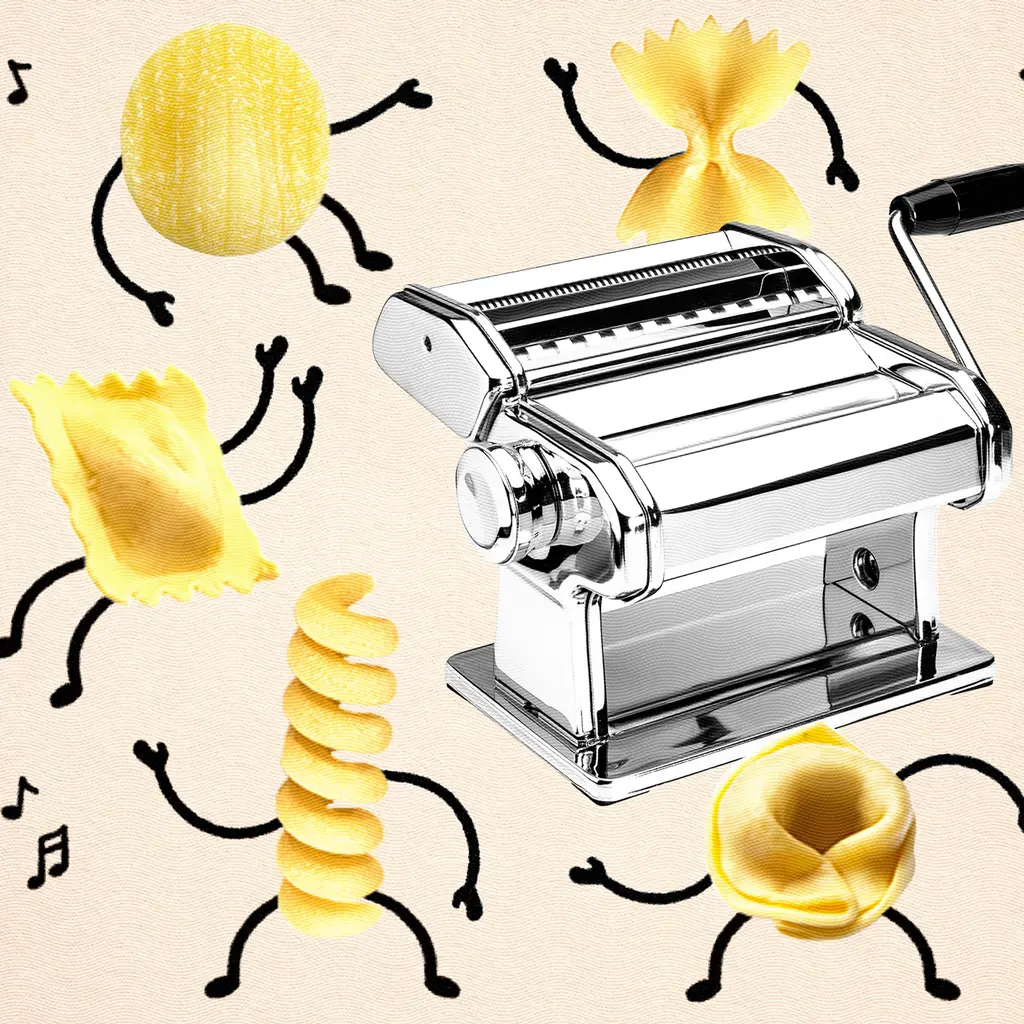
When exploring the world of cavatelli pasta makers, you’ll primarily encounter manual, hand-cranked models, which are celebrated for their simplicity and the satisfying tactile experience they offer. These machines come in various designs and materials, each contributing to their durability and ease of use:
- Manual, Hand-Cranked Models: These are the most common and beloved type. They typically feature a hand crank that, when turned, feeds strips of dough through rollers that cut and shape the pasta. Many are designed to clamp securely onto a tabletop or countertop, providing stability during operation. Popular brands like CucinaPro and Divina (from Consiglio’s Kitchenware) are known for their sturdy, manual models.
- Materials and Construction: Cavatelli makers are often constructed from durable materials such as aluminum, heavy-duty steel, and food-safe enamel. The rollers, which are crucial for shaping the pasta, can be made from robust nylon, ensuring a consistent form for your cavatelli. Some premium models, like the Divina, are even crafted in Italy, boasting professional-grade features and a weighty, substantial feel.
- Versatility in Shapes: While “cavatelli” is in the name, many of these machines are not one-trick ponies. Several models can produce multiple pasta shapes, including gnochetti (small gnocchi-like pasta) and orecchiette (little ear-shaped pasta), by simply adjusting how the dough is fed or by utilizing different roller patterns. This versatility makes a single cavatelli pasta maker a valuable addition to any pasta enthusiast’s kitchen, allowing for a wider array of homemade Italian dishes.
These simple yet effective machines embody the spirit of home pasta making, providing a reliable way to create diverse, fresh pasta shapes with relative ease.
Why Own a Cavatelli Pasta Maker? The Benefits of Homemade Cavatelli
Embracing a cavatelli pasta maker means unlocking a world of culinary advantages that transform your pasta dishes from ordinary to extraordinary. Here’s why bringing this traditional tool into your kitchen is a truly worthwhile endeavor:
- Unrivaled Freshness and Quality: There’s simply no comparison to the taste and texture of freshly made pasta. Homemade cavatelli boasts a tender yet chewy bite, a stark contrast to the often dense or brittle texture of dried, store-bought varieties. You’ll experience pasta at its peak, with vibrant flavors and a delightful springiness.
- Complete Control Over Ingredients: When you make pasta from scratch, you dictate every ingredient. This means saying goodbye to preservatives, artificial colors, and unwanted additives. You can choose high-quality flours, like fine semolina or durum wheat, fresh eggs (if using an egg-based dough), and pure water, ensuring a healthier and more natural product for your family. This control also allows for dietary customization, like egg-free or whole wheat options.
- A Texture Designed to Delight: Cavatelli, translating to “little hollows,” are specifically designed with ridges and a unique curled shape that brilliantly captures and holds onto sauces. Unlike flat pasta, these textured pockets become natural reservoirs for robust ragus, creamy pestos, or simple fresh tomato sauces, ensuring every bite is bursting with flavor.
- An Authentic Culinary Experience: Owning a cavatelli pasta maker connects you directly to the rich culinary traditions of Italy. It’s an opportunity to slow down, engage with your food, and appreciate the craftsmanship involved in creating a staple of Italian cuisine. The process itself can be a meditative and rewarding experience, reminiscent of generations of Italian nonnas perfecting their craft.
- Beyond Cavatelli: Surprising Versatility: While its name highlights cavatelli, many machines are capable of producing other delightful shapes like gnochetti and orecchiette. This expands your pasta-making repertoire, allowing you to experiment with different forms and textures, each suited to unique sauce pairings. It’s a single tool that opens up multiple creative avenues in your kitchen.
- Cost-Effectiveness in the Long Run: While there’s an initial investment, making your own pasta can be more economical over time, especially if you frequently enjoy specialty pasta. The basic ingredients are inexpensive, and the satisfaction of producing gourmet-quality pasta at home is priceless.
Ultimately, a cavatelli pasta maker isn’t just about making pasta; it’s about embracing a lifestyle of fresh, flavorful, and authentic home cooking that brings joy to both the chef and the diner.
Mastering Your Cavatelli Maker: A Step-by-Step Guide
Using a cavatelli pasta maker is a rewarding experience that quickly transforms a simple dough into beautifully shaped pasta. Follow these steps to master your machine and produce perfect cavatelli every time:
Preparing the Perfect Dough
The secret to great cavatelli lies in the dough. A classic cavatelli dough often uses just two or three ingredients: fine semolina flour (or all-purpose flour), warm water, and a pinch of salt. Some recipes might include a small amount of olive oil or even mashed potatoes for added tenderness.
- Combine Ingredients: In a large bowl, create a well in the center of your flour. Gradually add warm water (and salt, if not already mixed with the flour) to the well, slowly incorporating the flour from the sides until a shaggy dough forms.
- Knead with Purpose: Transfer the dough to a clean, lightly floured surface. Knead the dough vigorously for 8-12 minutes until it becomes smooth, elastic, and supple. It should feel firm but pliable, like playdough. The right consistency is crucial; if it’s too soft, it will stick; too stiff, it won’t shape properly.
- Rest is Best: Wrap the kneaded dough tightly in plastic wrap or cover it with a damp cloth and let it rest at room temperature for at least 30 minutes. This resting period allows the gluten to relax, making the dough much easier to work with.
Rolling and Cutting Dough Strips
Once rested, your dough is ready to be transformed:
- Portion the Dough: Divide your dough into smaller, manageable portions, keeping the unused dough covered to prevent it from drying out.
- Form Ropes or Strips: On a lightly floured surface, roll each portion of dough into a long rope, approximately 1/2 to 3/4 inch (about 1-2 cm) in diameter. Consistency in thickness is key for uniform pasta shapes. Alternatively, some prefer to roll out a sheet of dough to about 1/4 inch thick and then cut it into strips of the desired width.
- Cut into Segments: Using a sharp knife or a pasta cutter, cut the ropes into small segments, usually about 1/2 to 3/4 inch long. These segments are what you will feed into the cavatelli maker.
Feeding the Machine and Cranking Technique
This is where the magic happens:
- Set Up Your Machine: Securely clamp your cavatelli maker to a sturdy table or countertop. Ensure it’s stable and won’t wobble during use.
- Flour Generously: Lightly dust your dough strips and the machine’s rollers with flour. This prevents sticking and ensures smooth operation.
- Feed and Crank: Take a strip of dough and gently feed it into the opening of the cavatelli maker. With one hand, steadily turn the handle, while using your other hand to guide the dough strip. The rollers will catch the dough, press it against a shaping mechanism, and then cut and eject perfectly formed cavatelli.
- Adjust as Needed: Pay attention to the speed of your cranking and the consistency of the dough. If cavatelli are sticking or not forming correctly, you might need to adjust your dough’s flouring, the dough’s moisture, or your cranking pace. A steady, even crank generally yields the best results.
- Collect and Cure: As the cavatelli emerge, collect them on a lightly floured baking sheet, ensuring they are in a single layer and not touching to prevent sticking. Allow them to air dry slightly (“cure”) for 30 minutes to an hour, depending on humidity, before cooking. This helps them hold their shape and prevents them from becoming mushy when boiled.
Cooking Fresh Cavatelli
Fresh cavatelli cooks much faster than dried pasta.
- Boil Water: Bring a large pot of generously salted water to a rolling boil.
- Cook: Add the cavatelli to the boiling water, stirring gently to prevent sticking. Cook for 3-6 minutes, or until al dente—tender yet firm to the bite.
- Serve: Drain the cavatelli, reserving a little pasta water, and toss immediately with your favorite sauce.
With a little practice, you’ll be cranking out impressive batches of homemade cavatelli like a seasoned nonna!
Care and Keeping: Maintaining Your Cavatelli Maker
To ensure your cavatelli pasta maker remains a reliable kitchen companion for years to come, proper care and cleaning are essential. These machines are built for durability, but they do require specific maintenance to function optimally.
Cleaning Instructions:
- Never Immerse in Water: This is the golden rule. Submerging your cavatelli maker in water can lead to rust, damage to internal mechanisms, and dough residue becoming trapped in hard-to-reach places, making it impossible to clean effectively.
- Brush It Off: After each use, allow any residual dough on the rollers and surfaces to dry slightly. Once dry, use a stiff-bristled brush (a pastry brush or even an old toothbrush works well) to gently brush away all flour and dried dough particles. This is often the most effective way to remove clinging bits without introducing moisture.
- Wipe with a Cloth: For any stubborn spots or general cleaning of the machine’s exterior, dampen a cloth with warm water (no soap needed) and wipe the surfaces clean. Immediately follow with a dry cloth to ensure no moisture remains.
- Air Dry Completely: After cleaning, leave your cavatelli maker disassembled (if possible) or in an open area to air dry completely before storing. Any lingering moisture can lead to rust or mildew.
Storage Tips:
- Keep It Dry: Store your cavatelli maker in a dry environment. A kitchen cabinet or pantry shelf is ideal. Avoid humid areas like basements or garages.
- Original Packaging or Cover: If you still have the original box, it’s an excellent way to store the machine and its accessories. Alternatively, cover it with a clean kitchen towel or a specialized cover to protect it from dust and debris between uses.
- Handle with Care: Always handle the machine by its main body, avoiding undue pressure on the rollers or handle, especially during storage or transport.
By adhering to these simple care and cleaning practices, your cavatelli pasta maker will continue to churn out delicious homemade pasta for countless meals to come.
Beyond the Basics: Delicious Pasta Varieties to Explore
While the cavatelli pasta maker proudly bears its name for the beloved “little hollows,” its capabilities often extend to crafting a delightful trio of Southern Italian pasta shapes. These machines are not just for one type of pasta; they are versatile tools for expanding your homemade pasta repertoire:
- Cavatelli: These small, ridged, and elongated shells are the star. Their distinctive shape, formed by pressing the dough against a ridged surface, creates a perfect cavity to scoop up hearty sauces. They are wonderfully chewy and robust, ideal for rich ragus, robust vegetable sauces, or simple garlic and oil preparations.
- Gnochetti: Often resembling smaller, ridged cavatelli or miniature gnocchi, gnochetti are another delightful shape these machines can produce. They share the sauce-trapping qualities of cavatelli but are typically a bit more delicate, often pairing well with lighter cream sauces, pesto, or even just browned butter and sage. Their compact size makes them a favorite for quick weeknight meals.
- Orecchiette: Meaning “little ears” in Italian, orecchiette are round, cup-shaped pasta pieces with a slightly thicker center and thinner edges. Some specialized cavatelli makers are designed with rollers that can create this unique shape, which is fantastic for capturing chunky sauces, like a classic orecchiette con cime di rapa (with broccoli rabe and sausage). Their tender chew and distinctive form make them a beloved choice in Puglian cuisine.
The ability to create these three distinct yet complementary pasta types makes a cavatelli pasta maker a truly versatile and essential tool for any aspiring pastaio or pastaia (male or female pasta maker). Each shape offers a unique texture and sauce-holding capability, ensuring that your homemade pasta always perfectly complements your chosen culinary creation.
Pairing Perfection: Sauces that Sing with Cavatelli
The beauty of cavatelli lies not only in its delightful chew and rustic charm but also in its unparalleled ability to embrace and hold onto sauces. Those characteristic “little hollows” and ridges are tailor-made for specific types of culinary pairings, ensuring every forkful is a symphony of flavor.
Here are some sauce inspirations that truly sing with homemade cavatelli:
- Hearty Ragus and Meat Sauces: Cavatelli is an absolute champion for rich, slow-cooked meat sauces. A classic Bolognese, a rich lamb ragu, or a robust pork sausage sauce finds its perfect partner in cavatelli. The hollows capture the minced meat and savory broth, while the sturdy pasta stands up to the sauce’s intensity.
- Rustic Tomato Sauces: Simple yet profound, a fresh tomato and basil sauce, or a slow-simmered marinara, is a natural fit. The cavatelli’s texture beautifully complements the sweetness and acidity of ripe tomatoes. Adding a touch of spicy red pepper flakes can elevate this pairing further.
- Broccoli Rabe and Sausage: A quintessential Southern Italian pairing, cime di rapa (broccoli rabe) and Italian sausage are often served with orecchiette, but cavatelli works just as wonderfully. The bitterness of the greens and the savory notes of the sausage cling perfectly to the pasta’s nooks and crannies.
- Brown Butter and Sage: For a quicker, yet incredibly flavorful option, a simple brown butter sauce infused with fresh sage leaves creates a nutty, aromatic coating. The cavatelli’s texture ensures a satisfying bite with every buttery mouthful. A sprinkle of Parmesan or Pecorino Romano cheese is the perfect finish.
- Creamy Vegetable Purees: Consider a velvety butternut squash puree, a vibrant pesto, or a creamy mushroom sauce. The hollows in the cavatelli act as miniature cups, delivering a burst of concentrated flavor with each bite.
The key is to choose sauces that have a certain “chunkiness” or richness that the cavatelli can effectively scoop up. The unique texture of this pasta isn’t just for show; it’s a functional design element that makes for an incredibly satisfying eating experience.
Expert Insight: “The Art of the Curl”
“Making cavatelli isn’t just about mixing flour and water; it’s about connecting with a culinary heritage. The subtle curl of each piece, perfectly crafted by the machine, is what truly sets it apart. It’s a testament to the fact that sometimes, the simplest tools yield the most profound flavors, especially when they honor tradition. This isn’t just pasta; it’s a legacy you can taste.” – Chef Isabella Rossi, Renowned Italian Culinary Historian.
Frequently Asked Questions About Cavatelli Pasta Makers
Q: What is the main difference between cavatelli and other pasta shapes?
A: Cavatelli are distinct for their small, ridged, and elongated shell-like shape, often described as “little hollows.” This unique form is excellent for trapping sauces, providing a textural contrast to flat or tubular pastas.
Q: Can I make other pasta shapes with a cavatelli pasta maker?
A: Yes, many cavatelli pasta makers are versatile enough to produce other similar shapes like gnochetti and orecchiette. The specific shapes possible depend on the machine’s design and rollers, often allowing for variations by adjusting how the dough is fed.
Q: What kind of dough should I use for a cavatelli maker?
A: A classic cavatelli dough is typically made from fine semolina flour, warm water, and salt. Some recipes may include all-purpose flour, a small amount of olive oil, or even mashed potatoes for a softer texture, but the key is a firm, elastic dough.
Q: How do I clean my cavatelli pasta maker?
A: It’s crucial not to immerse your cavatelli maker in water. Instead, use a stiff brush or cloth to remove any dried dough and flour. Wipe the exterior with a damp cloth, then thoroughly dry it before storing to prevent rust.
Q: How long does homemade cavatelli take to cook?
A: Fresh homemade cavatelli cooks much faster than dried pasta. Typically, it will be al dente in about 3-6 minutes in a pot of boiling, salted water. Always taste test to achieve your preferred doneness.
Q: Can I freeze homemade cavatelli?
A: Absolutely! After shaping, dust the cavatelli lightly with semolina flour and spread them in a single layer on a baking sheet. Freeze until solid, then transfer to an airtight container or freezer bag for up to 3 months. Cook directly from frozen in boiling water.
Q: What are the benefits of making cavatelli at home instead of buying it?
A: Making cavatelli at home offers superior freshness, allowing you to control all ingredients for healthier, preservative-free pasta. The unique texture of homemade cavatelli also holds sauces exceptionally well, providing a more authentic and flavorful culinary experience.
The Journey to Perfect Pasta Starts Here
Embracing a cavatelli pasta maker is an invitation to elevate your home cooking, transforming simple ingredients into a celebration of Italian tradition. From the satisfying process of creating each “little hollow” to the joy of seeing your family savor every sauce-laden bite, the experience is truly unmatched. It’s about freshness you can taste, control over what goes into your food, and the sheer delight of bringing an authentic piece of Italy to your table. So, roll up your sleeves, dust off your counter, and embark on your own pasta-making adventure. Your journey to perfect cavatelli starts now – and your taste buds will thank you for it.