Imagine the rich aroma of freshly made pasta wafting through your kitchen, each strand perfectly textured, ready to embrace the most delectable sauces. For restaurants, delis, and anyone serious about authentic Italian cuisine, a Commercial Pasta Maker isn’t just a piece of equipment; it’s a gateway to culinary excellence. This powerful machine transforms simple ingredients into an endless array of pasta shapes, elevating dishes and delighting diners with unparalleled freshness and flavor.
The Heart of Italian Cuisine: A Brief History of Pasta Making
Pasta has been a staple of Italian culture for centuries, evolving from humble, hand-kneaded dough to the sophisticated, diverse forms we cherish today. Historically, making pasta was a labor of love, a process that demanded patience and skill, often passed down through generations. While the passion for fresh pasta endures, the tools have dramatically advanced. The invention of the pasta machine revolutionized home kitchens and, eventually, commercial operations, allowing for greater consistency and production volume. Today’s commercial pasta makers embody this evolution, blending traditional craftsmanship with modern engineering to bring the soul of Italy to your table, efficiently and effortlessly.
Why Go Commercial? The Unbeatable Benefits of a Commercial Pasta Maker
For any food establishment aiming to distinguish itself, investing in a commercial pasta maker offers a multitude of advantages that go far beyond mere convenience.
Efficiency and High Production Volume
In a busy kitchen, time is money. A commercial pasta maker significantly boosts production efficiency, allowing you to produce large quantities of fresh pasta with speed and ease. Unlike manual methods that are labor-intensive, these machines can churn out pounds of pasta per hour, ensuring you always meet demand, even during peak service. This translates to less stress for your staff and a smoother workflow.
Unwavering Consistency
Hand-rolling pasta, while charming, can lead to variations in thickness and texture. Commercial machines, however, deliver uniform results every single time. This consistency is crucial for both cooking performance and presentation, guaranteeing that each serving of spaghetti or ravioli is perfectly al dente and visually appealing. Your customers will notice and appreciate the dependable quality.
Cost-Effectiveness and Quality Control
While there’s an initial investment, a commercial pasta maker offers substantial long-term savings. Producing pasta in-house eliminates the need to purchase expensive pre-made, dried, or frozen options. More importantly, it gives you complete control over ingredients, allowing you to select high-quality flours, fresh eggs, and other components to craft a superior product free from unwanted preservatives. This not only enhances taste but also allows you to cater to specific dietary needs.
Menu Versatility
A single commercial pasta maker, equipped with various dies and attachments, unlocks a world of culinary possibilities. From classic spaghetti and fettuccine to intricate ravioli and gnocchi, you can expand your menu with an impressive array of fresh pasta dishes. This versatility keeps your offerings exciting and allows you to experiment with new shapes and fillings, keeping your customers coming back for more.
Demystifying the Machines: Types of Commercial Pasta Makers
The commercial pasta maker landscape offers a variety of machines, each designed to meet different production needs and preferences. Understanding the distinctions is key to choosing the right one for your operation.
Manual Pasta Makers
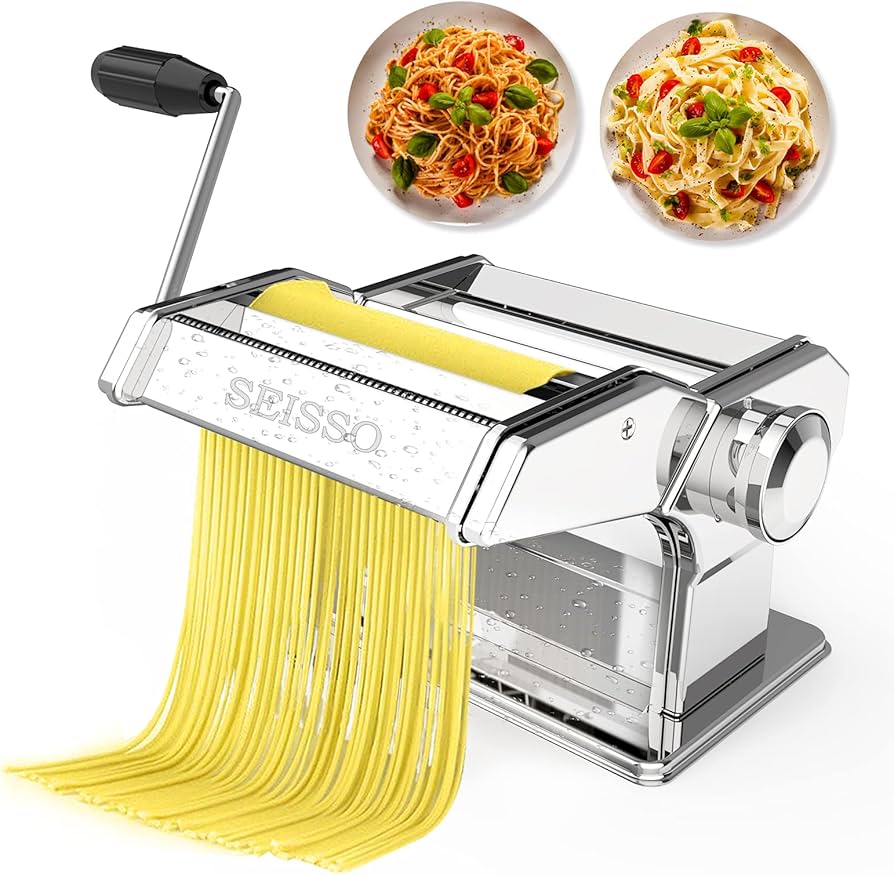
These are hand-cranked machines, often smaller and more budget-friendly. They’re excellent for establishments with lower pasta volume or those seeking a more traditional, hands-on approach. Manual pasta makers primarily function as sheeters, requiring you to prepare the dough separately and then feed it through rollers. While they demand more manual labor, they offer precise control over dough thickness.
Electric Pasta Makers
Stepping up in capability, electric pasta makers are motor-driven, significantly reducing the physical effort required. They are ideal for medium-volume production, offering higher output than manual models. These machines come in both countertop and floor models, providing flexibility for different kitchen layouts. Many electric models also offer interchangeable cutting attachments for various pasta shapes.
Automatic Pasta Machines
For high-volume operations, automatic pasta machines are the ultimate solution. These advanced units can handle the entire process, from mixing ingredients to extruding and sometimes even cutting the pasta with minimal manual intervention. They boast programmable settings and are built for continuous, large-scale production, ensuring maximum efficiency.
Pasta Extruders vs. Pasta Sheeters
The core functionality often divides machines into two main categories:
- Pasta Sheeters: These machines roll and flatten pre-mixed dough into thin sheets, which can then be hand-cut or fed through cutting attachments to create flat pastas like fettuccine, tagliatelle, or lasagna. Both manual and electric models come in sheeter configurations.
- Pasta Extruders: More common in electric and automatic machines, extruders allow you to load ingredients directly. The machine mixes the dough and then pushes it through various dies (bronze or silver molds) to create a wide range of short and long pasta shapes, including spaghetti, penne, fusilli, and even hollow tubes like bucatini. The dies are interchangeable, offering immense versatility.
Countertop vs. Floor Models
- Countertop Models: Compact and suitable for smaller kitchens or those with limited space, these machines typically have lower production capacities.
- Floor Models: Larger, more robust, and designed for high-volume production, floor models are typically found in larger restaurants or dedicated pasta-making facilities. They often come with higher output capabilities and greater durability for continuous use.
Getting Started: How to Use Your Commercial Pasta Machine Like a Pro
Using a commercial pasta maker might seem daunting at first, but with a few simple steps, you’ll be creating exquisite fresh pasta in no time.
Dough Preparation
The foundation of great pasta is great dough. Typically, fresh pasta dough is a simple mix of durum wheat flour (or semolina) and eggs, sometimes with a little water. Ensure your dough is well-kneaded and has rested for at least 20-30 minutes, wrapped, at room temperature. This resting period allows the gluten to relax, making the dough easier to work with.
Setting Up for Success
First, position your machine on a stable, flat surface. If it’s a countertop model, secure it with the integrated clamp to prevent movement during operation. For machines with removable rollers or dies, attach them securely according to the manufacturer’s instructions, usually starting with the widest setting. Finally, give the machine a quick wipe-down to ensure it’s clean and free of any dust or debris.
Rolling and Thinning the Dough
Take a small portion of your rested dough and flatten it slightly with your hands or a rolling pin. Begin by feeding this piece through the widest setting of your pasta machine’s rollers. As the dough passes through, it will flatten. Fold the dough into thirds and feed it through the widest setting again. Repeat this process a few times. Then, gradually decrease the thickness setting, running the dough through each setting once or twice until you reach your desired pasta thickness. Remember to lightly dust the dough with flour as needed to prevent sticking.
Cutting Your Masterpiece
Once your dough sheets are at the perfect thickness, it’s time to shape them. Switch to the appropriate cutting attachment for your desired pasta shape (e.g., spaghetti, fettuccine). Feed the rolled-out dough sheets through the cutter. The machine will transform your sheets into beautiful, uniform pasta strands or shapes. Gently collect the cut pasta, dusting it with a little semolina flour to prevent sticking, and either cook immediately or prepare for drying.
Quick-Cook Fresh Pasta
Fresh pasta cooks significantly faster than its dried counterpart. Bring a large pot of salted water to a rolling boil, add your fresh pasta, and stir gently. Most fresh pastas will be perfectly al dente in just 2-3 minutes. Drain, toss with your favorite sauce, and serve immediately for the best taste and texture.
Preserving Your Investment: Essential Maintenance and Care for Commercial Pasta Makers
A commercial pasta maker is a valuable asset, and proper maintenance ensures its longevity and optimal performance. Neglecting care can lead to costly repairs and affect pasta quality.
Daily Cleaning Rituals
The most crucial step is to clean your machine immediately after each use. Dried dough is much harder to remove. Disassemble any removable parts, like rollers and cutters. Use a dry brush (a pastry brush or an old toothbrush works well) to remove flour and dough bits from the rollers, gears, and crevices. For stuck-on residue, use a toothpick or even a piece of scrap dough to gently lift it out. Wipe down all surfaces with a damp cloth, then dry thoroughly. Never immerse the entire machine in water, especially electric models, as moisture can lead to rust and damage electrical components.
Lubrication: The Secret to Smooth Operation
Moving parts, particularly gears and roller shafts, benefit from occasional lubrication. Apply a small amount of food-grade oil (like mineral oil or food-safe Vaseline oil) to the ends of the rollers and any other recommended points according to your manufacturer’s instructions. This ensures smooth operation and prevents unnecessary wear and tear.
Proper Storage for Longevity
When not in use, store your commercial pasta maker in a cool, dry place, away from direct sunlight or excessive humidity. Ensure all components are completely dry before storage to prevent corrosion, mold, or mildew. Covering the machine with a protective cloth or its original packaging can also shield it from dust and debris.
Regular Inspections and Troubleshooting
Periodically inspect your machine for any signs of wear and tear, such as loose screws, damaged dies, or unusual noises. Tighten any loose fasteners. If you notice persistent issues or suspect a problem, consult your manufacturer’s manual or a professional repair service. Early detection can prevent minor issues from escalating.
Expert Tip: What to Avoid
“To truly maximize the lifespan of your commercial pasta maker, consistently avoid forcing dough through the rollers, as this strains the motor and gears,” advises Chef Isabella Rossi, a seasoned expert in Italian culinary equipment. “Also, remember that harsh detergents or dishwashers can damage delicate bronze dies and chrome-plated parts, altering the texture of your pasta and compromising the machine’s integrity.”
A World of Shapes: Pasta Varieties You Can Create
With a commercial pasta maker, the possibilities for pasta shapes are virtually limitless, often depending on the available dies and attachments.
Long Pastas
- Spaghetti: Thin, round strands, perfect for classic marinara or carbonara.
- Fettuccine & Tagliatelle: Wider, flat ribbons, ideal for rich cream sauces like Alfredo.
- Linguine: Slightly thinner than fettuccine, often paired with seafood or pesto.
- Pappardelle: Broad, flat ribbons, excellent with hearty meat ragus.
Short & Shaped Pastas
- Penne: Short, hollow tubes with ridges, great for thick sauces that cling to the grooves.
- Fusilli: Spiral-shaped pasta, versatile with almost any sauce.
- Macaroni: Small, curved tubes, a staple for mac & cheese.
- Cavatelli: Small, shell-shaped pasta, lovely with robust, thicker sauces.
- Gnocchi: While technically dumplings, many commercial machines offer gnocchi attachments to create these soft, pillowy delights.
Filled Pastas
- Ravioli & Tortellini: With the right attachments or by using pasta sheets, you can create delightful stuffed pastas with various fillings.
- Lasagna Sheets: Wide, flat sheets are easily made for layering in your signature lasagna dishes.
The Perfect Pairing: Sauces to Complement Your Fresh Creations
Fresh pasta, with its delicate texture and ability to absorb flavors, truly shines when paired with the right sauce.
Delicate Sauces for Light Pastas
For thin, delicate pastas like Capellini (angel hair) or Tagliolini, lighter sauces allow the pasta’s fresh flavor to take center stage. Think simple aglio e olio (garlic and oil), a fresh lemon butter sauce, or a vibrant pesto. These sauces coat the pasta without overpowering it, creating a harmonious balance.
Hearty Sauces for Robust Shapes
Wider, thicker pastas such as Pappardelle or Rigatoni can stand up to rich, robust sauces. Slow-cooked meat ragus, wild mushroom sauces, or a classic Bolognese cling beautifully to these larger shapes, offering a satisfying bite.
Creamy Indulgences
Fettuccine, Tagliatelle, and even Bucatini (hollow spaghetti) are fantastic with creamy sauces. A luxurious Alfredo, a velvety Béchamel (perfect for lasagna), or a vibrant vodka sauce can transform your fresh pasta into an indulgent experience. For filled pastas like ravioli, a simple sage butter sauce often highlights the delicious filling without distraction.
Frequently Asked Questions (FAQ)
How long does fresh pasta last?
Fresh pasta typically lasts 1-2 days in the refrigerator and can be frozen for up to 2-3 months. Always store it in an airtight container or bag.
Can I use gluten-free flour in a commercial pasta maker?
Yes, many commercial pasta makers can handle gluten-free flour blends. However, the dough might have a slightly different texture and require minor adjustments to the recipe. Experimentation is key to achieving optimal results.
What’s the best way to dry fresh pasta?
For short-term storage or to prevent sticking, fresh pasta can be lightly dusted with semolina flour and loosely coiled on a baking sheet. For longer drying, hang long strands over a pasta drying rack or clean broom handle until brittle, which can take several hours depending on humidity.
Are commercial pasta makers hard to clean?
Not necessarily. While they have more components than home machines, regular and immediate cleaning after each use, following manufacturer guidelines, makes the process straightforward. Dry brushing and wiping are generally sufficient.
What is the difference between an extruder and a sheeter?
A pasta sheeter rolls dough into flat sheets, which are then cut. An extruder, on the other hand, pushes dough through dies to create various shapes directly. Extruders often handle dough mixing too.
Conclusion
Embracing a commercial pasta maker is more than just acquiring new equipment; it’s an investment in the art of fresh pasta making. From the unparalleled efficiency and consistent quality it brings to your kitchen to the vast world of pasta shapes and delicious sauces it unlocks, a commercial pasta maker empowers you to create extraordinary culinary experiences. So, roll up your sleeves, explore the endless possibilities, and let the magic of fresh pasta transform your menu and captivate your customers, one perfect noodle at a time.