There’s a special kind of satisfaction that comes from creating something with your own hands, especially when it involves fresh, delicious food. In the world of gastronomy, few tools embody this sentiment quite like the venerable Hand Crank Pasta Maker. This classic kitchen appliance isn’t just about making noodles; it’s about embracing a tradition, slowing down, and transforming simple ingredients into a meal brimming with authentic flavor and love. If you’ve been curious about diving into the delightful world of homemade pasta, a manual pasta maker is your perfect companion on this culinary journey.
From Ancient Grains to Modern Tables: The Journey of Pasta Making
The story of pasta stretches back much further than many might imagine, with its roots deeply embedded in ancient civilizations. Evidence suggests that as early as 400 BCE, the Etruscans in Italy were already crafting primitive forms of pasta, kneading flour and water into thin sheets and drying them under the Mediterranean sun. Fast forward to the 17th century, and rudimentary machines began to appear in places like Naples, making the process slightly more efficient. However, it was the 19th century that truly revolutionized pasta production with the invention of the rolling machine, paving the way for the accessible hand crank pasta maker we cherish today. This innovation made fresh pasta a staple not just for the wealthy, but for households across Italy and, eventually, the world.
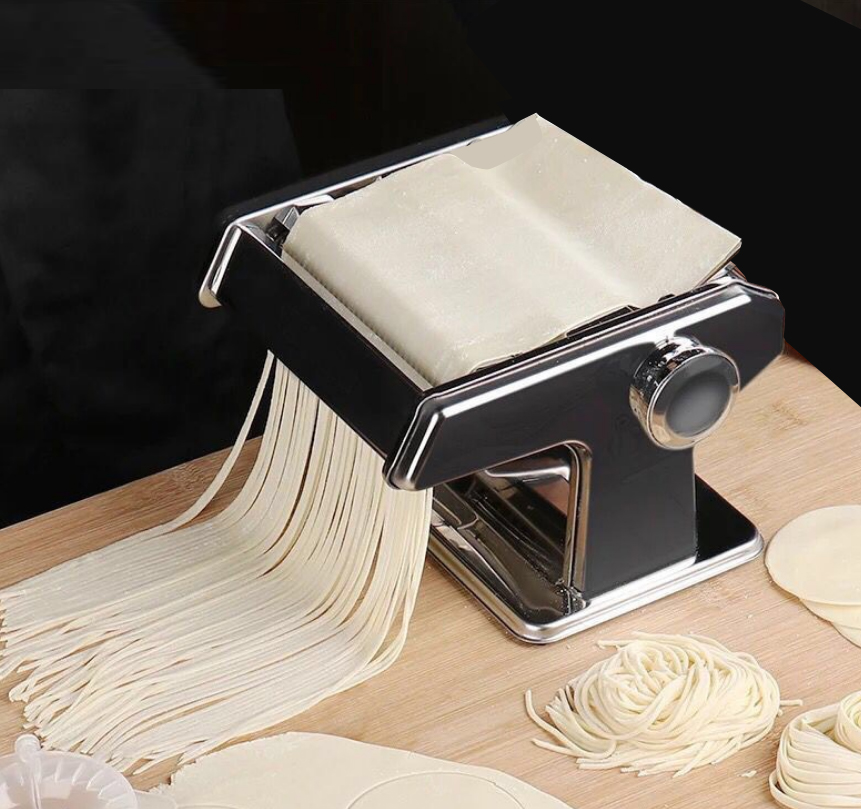
Why a Hand Crank Pasta Maker is Your Kitchen’s Next Best Friend
In an era dominated by electric gadgets, the simplicity and charm of a hand crank pasta maker stand out. Opting for a manual machine offers a unique blend of benefits that electric models often can’t match. First and foremost, they are incredibly affordable, making homemade pasta accessible to everyone. There’s no need for electricity, meaning you can whip up a batch anywhere, anytime, without worrying about plugs or power outages. This also translates to a wonderfully quiet cooking experience, allowing for a meditative focus on your craft rather than the hum of a motor.
“There’s an undeniable connection you feel to the ingredients when you’re manually rolling dough,” shares Isabella Rossi, a third-generation pasta artisan from Bologna. “It’s not just about the output; it’s about the process, the rhythm of the crank, and the texture of the dough between your fingers. A hand crank pasta maker truly puts you in control, letting you feel each subtle change.”
This control is a key advantage. You dictate the speed, allowing you to perfectly manage the dough as it thins. Manual machines are also ideal for smaller batches, making them efficient for weeknight dinners or intimate gatherings. Their compact design means they won’t hog precious counter space, and their robust construction ensures they’ll be a reliable kitchen workhorse for years to come.
Getting Started: Understanding Types of Hand Crank Pasta Makers
While the core function of a hand crank pasta maker remains consistent across models, there are primarily two types you’ll encounter:
- Roller-Style Machines: These are the most common and versatile, featuring adjustable rollers that gradually flatten your dough into thin sheets. Many come with integrated cutters or detachable attachments for various noodle shapes. The Marcato Atlas 150 is a popular example, revered for its durability and consistent performance.
- Extruder-Style Machines (Less common for pure hand-crank, more often electric): While some specialized hand-crank extruders exist, the majority of hand-crank machines are roller-style. Extruders force dough through dies to create tubular or more intricate shapes. For manual operation, roller machines with cutting attachments offer a broader range of practical uses.
For beginners, a roller-style hand crank pasta maker like the aforementioned Atlas 150 is an excellent starting point, offering intuitive operation and the flexibility to create a variety of classic pasta shapes.
Mastering Your Manual Machine: A Step-by-Step Guide to Fresh Pasta
Making fresh pasta with a hand crank pasta maker is a rewarding process that, with a little practice, becomes second nature.
Preparing Your Workspace and Dough
- Secure Your Machine: Begin by firmly clamping your pasta maker to a sturdy countertop or table edge. This stability is crucial for smooth operation and prevents wobbling while cranking.
- Prepare Your Dough: Ensure your pasta dough is well-rested (at least 30 minutes, ideally an hour) and pliable. It should be firm but not dry, and slightly elastic. Divide your dough into manageable, flattened portions, roughly the size of your palm. Lightly dust your workspace and dough with a sprinkle of flour to prevent sticking.
Rolling the Dough
- Start Wide: Set your hand crank pasta maker to its widest setting. This is usually the lowest number on the dial (e.g., “1”).
- First Pass: Feed one flattened piece of dough through the rollers while steadily turning the hand crank. Catch the sheet as it emerges.
- Fold and Repeat: Take the sheet, fold it into thirds (like a letter), and gently flatten it again by hand. Dust lightly with flour if needed, then feed it through the widest setting once more. Repeat this folding and rolling on the widest setting 3-5 times. This crucial step helps to knead the dough further, making it smooth, even, and silky.
- Gradually Thin: Now, reduce the thickness setting by one notch (e.g., to “2”). Feed the dough through. Continue reducing the setting incrementally, passing the dough through each setting once or twice, until you reach your desired thickness. For most common pastas like fettuccine or spaghetti, settings 4-6 are often ideal, but this varies by machine and preference. Work slowly and steadily, guiding the dough with one hand while cranking with the other.
Cutting Your Noodles
- Attach the Cutter: Once your pasta sheet reaches the desired thinness, remove the rolling attachment (if separate) and securely attach the cutting accessory for your chosen shape (e.g., fettuccine, spaghetti).
- Feed and Cut: Lightly dust your pasta sheet one last time to prevent sticking. Feed the sheet through the cutting rollers while turning the hand crank at a consistent pace.
- Separate and Dust: As the noodles emerge, gently separate them and toss lightly with semolina flour or regular flour to prevent them from clumping. You can then cook them immediately or hang them to dry for later use.
Beyond the Basics: Pasta Types You Can Make
With a hand crank pasta maker, your culinary creativity knows few bounds. The standard roller allows you to craft perfect sheets for:
- Lasagna: Wide, thin sheets that bake beautifully.
- Ravioli & Tortellini: With a ravioli attachment or mold, or by simply hand-filling and cutting your rolled sheets.
- Cannelloni: Larger sheets that can be filled and rolled.
Most machines also include cutting attachments for classic long pastas:
- Fettuccine: Medium-width ribbons, perfect for rich cream sauces like Alfredo.
- Spaghetti: Thin, round strands, a universal favorite for nearly any sauce.
- Tagliolini: Finer than fettuccine, ideal for delicate sauces or broth.
Many manufacturers offer additional attachments for shapes like pappardelle, linguine, or even round spaghetti, expanding your homemade pasta repertoire even further.
Sauce Sensations: Perfect Pairings for Your Homemade Pasta
The beauty of fresh, homemade pasta made with a hand crank pasta maker is how wonderfully it absorbs and showcases the flavors of your sauces. Because the surface is slightly more porous than dried pasta, it clings to sauces beautifully.
- For Long, Flat Pastas (Fettuccine, Tagliolini): Creamy sauces like a classic Alfredo, vibrant pesto, or a rich mushroom ragu work exquisitely. The broad surface area provides ample space for the sauce to coat each strand.
- For Thin Strands (Spaghetti, Capellini): Lighter, oil-based sauces, simple tomato sauces, or seafood-based sauces are excellent choices. A traditional Aglio e Olio (garlic and oil) or a vibrant Marinara lets the fresh pasta shine.
- For Stuffed Pastas (Ravioli, Tortellini): A simple sage butter sauce allows the flavors of the filling to be the star. Light tomato sauces or a clear broth also complement filled pastas without overpowering them.
Keeping it Pristine: Maintenance and Cleaning Tips
To ensure your hand crank pasta maker remains a treasured tool for years, proper cleaning and maintenance are key. Remember this golden rule: Never immerse your pasta maker in water or put it in the dishwasher! Most machines are made of metal components that will rust if exposed to too much moisture.
Here’s how to keep it spotless:
- Disassemble Removable Parts: Detach the hand crank, clamp, and any cutting attachments.
- Brush Away Debris: Use a dry, stiff brush (a pastry brush or an old toothbrush works well) to remove any loose flour or dried dough bits from the rollers and cutters. A can of compressed air can also be surprisingly effective for tight spots.
- Run Scrap Dough/Clay: For stubborn bits stuck in the rollers, knead a small piece of scrap dough (or even white polymer clay/Play-Doh) and run it through all the thickness settings several times. The sticky dough will pick up dried-on residue.
- Wipe Down Exterior: Use a slightly damp cloth to wipe the exterior surfaces of the machine. Immediately follow with a dry cloth to ensure no moisture remains.
- Clean Cutters: For the cutting attachments, you can often remove plastic combs/scrapers to get into crevices. Brush these clean thoroughly. Some parts (like plastic combs) might tolerate a quick rinse under cold water, but ensure they are completely dry before reassembling.
- Dry Completely: Crucially, ensure every single part of your hand crank pasta maker is thoroughly dry before storing.
- Storage: Store your machine in a cool, dry place, ideally in its original box or a protective cover, to prevent dust accumulation and protect it from humidity.
Frequently Asked Questions
What is the best type of flour to use for homemade pasta with a hand crank machine?
The most traditional flour for fresh pasta is “00” flour, an Italian finely-milled wheat flour. All-purpose flour can also be used, but “00” flour generally yields a smoother, more elastic dough.
How do I prevent my pasta dough from sticking in the machine?
Generously dust your dough and the machine’s rollers with flour, especially as you thin the dough. If the dough feels sticky, pass it through the widest setting, fold it, and dust it with more flour before continuing.
Can I make gluten-free pasta with a hand crank pasta maker?
Yes, many people successfully make gluten-free pasta using alternative flours like rice flour or gluten-free blends. The process is similar, though the dough consistency might differ slightly.
How thin should I roll my pasta dough?
The ideal thickness depends on the type of pasta you’re making. For delicate pastas like tagliolini or for ravioli, a thinner setting (e.g., 5 or 6 on a 9-setting machine) is preferred. For lasagna sheets or heartier noodles like fettuccine, a slightly thicker setting (e.g., 3 or 4) can be ideal. Experiment to find your personal preference!
How long does homemade pasta last?
Fresh pasta can be cooked immediately. If you wish to store it, you can hang it to dry for a few hours (or overnight) until brittle, then store in an airtight container for several weeks. Alternatively, you can form small nests and freeze them for up to a month.
Embrace the Art of Homemade Pasta
The hand crank pasta maker is more than just a tool; it’s an invitation to a richer, more engaging culinary experience. It offers a tangible connection to the food you eat, fostering a sense of accomplishment and delivering unparalleled freshness and flavor. So, grab your apron, gather your simple ingredients, and let the rhythmic turn of the hand crank transport you to the heart of Italian kitchens. The world of perfect pasta sheets and delectable noodles awaits your touch. You’ll soon discover that homemade pasta isn’t just a meal; it’s a delightful tradition to be savored and shared.