Transforming your kitchen into an authentic Italian “laboratorio di pasta” has never been more accessible, especially with the versatility of a KitchenAid mixer pasta maker. If you’ve ever dreamt of crafting fresh, delicious pasta from scratch right in your own home, your KitchenAid stand mixer, paired with the right attachments, makes that dream a delicious reality. It’s not just about making food; it’s about embracing a culinary journey, connecting with tradition, and experiencing the unparalleled taste of truly homemade pasta.
Why Choose a KitchenAid Mixer Pasta Maker for Homemade Pasta?
Bringing the art of pasta making into your home with a KitchenAid mixer pasta maker offers a blend of convenience, quality, and sheer culinary delight. Unlike fully manual machines, these attachments harness the power of your stand mixer, significantly reducing the effort involved in kneading dough and consistently rolling it to perfection.
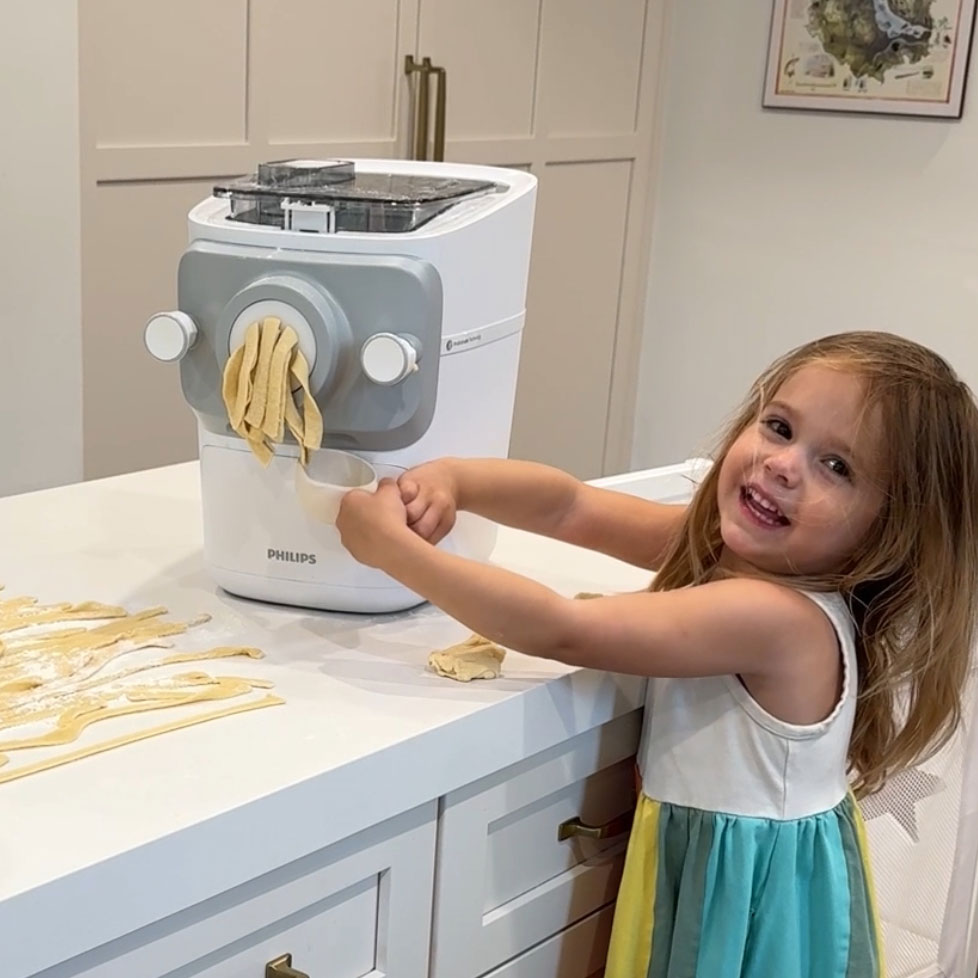
Firstly, it’s about efficiency and ease. Your KitchenAid mixer does the heavy lifting, from mixing the dough to precisely rolling it. This means less arm strain and more consistent results every time. Secondly, the unmatched freshness of homemade pasta truly elevates any meal. The subtle textures and vibrant flavors are simply something you can’t get from a box. Lastly, it’s an investment in enjoyment. Making pasta from scratch is a deeply satisfying process, offering a creative outlet and a chance to impress family and friends with authentic, artisan-quality dishes.
Understanding Your KitchenAid Pasta Attachments
The versatility of the KitchenAid mixer pasta maker system comes from its range of specialized attachments, each designed for a specific stage of pasta production. Knowing which ones do what will help you pick the perfect tools for your pasta-making adventures.
The Pasta Roller: The Foundation of Fresh Pasta
This is arguably the most essential attachment, forming the base for almost all homemade pasta. The pasta roller efficiently kneads and flattens your dough into uniform sheets, perfect for lasagna, ravioli, or cutting into custom shapes. It offers multiple thickness settings, allowing you to achieve delicate, paper-thin sheets or heartier, more substantial ones. Think of it as your primary tool for achieving that perfectly smooth and pliable pasta canvas.
Fettuccine and Spaghetti Cutters: Classic Shapes Made Easy
Once you have your perfectly rolled sheets of dough, these specialized cutters click right onto your KitchenAid mixer. They feed the pasta sheets through, slicing them into either classic fettuccine or thin spaghetti strands. These attachments take the guesswork out of hand-cutting, ensuring uniform shapes and sizes for consistent cooking.
The Gourmet Pasta Press: Exploring Extruded Pasta
For those who love tubular or more intricate pasta shapes like rigatoni, fusilli, bucatini, or small macaroni, the gourmet pasta press is a game-changer. This attachment extrudes dough through various dies, creating shapes that are often more challenging to produce with just a roller and knife. It’s perfect for denser doughs and offers a wonderful way to expand your pasta repertoire beyond flat sheets.
Getting Started: Making Dough with Your KitchenAid Mixer
The journey to exceptional homemade pasta begins with the dough, and your KitchenAid mixer simplifies this crucial first step.
Basic Egg Pasta Dough Recipe
A foundational recipe typically includes:
- 2 cups (240g) all-purpose flour or “00” flour
- 3 large eggs
- 1/2 teaspoon salt
- 1 tablespoon olive oil (optional, for elasticity)
Combine all ingredients in your KitchenAid mixer bowl with the flat beater attachment. Mix on low speed until a shaggy dough forms, about 30 seconds. Switch to the dough hook attachment and knead on speed 2 for 5-7 minutes until the dough is smooth and elastic. It should be firm but pliable.
Tips for Perfect Dough Consistency
“The secret to great pasta isn’t just in the rolling, but in the dough itself,” shares Chef Marco Rossi, a celebrated Italian culinary instructor. “It should feel like a firm earlobe – smooth, elastic, and not sticky.” If your dough is too sticky, add a little flour, one tablespoon at a time. If it’s too dry, add a tiny bit of water. Proper dough consistency is key to smooth rolling and cutting with your KitchenAid mixer pasta maker. Always let the dough rest, covered, for at least 30 minutes (or up to an hour) at room temperature. This relaxes the gluten, making it easier to roll.
Step-by-Step Guide to Using Your KitchenAid Pasta Maker
Once your dough is rested, it’s time for the fun part: turning it into beautiful pasta!
Rolling the Dough
- Attach the Pasta Roller: Securely attach the pasta roller to the power hub of your KitchenAid mixer. Set the mixer to speed 2.
- Flatten Dough: Take a small portion of dough (about a quarter of your total dough) and flatten it into a rectangle by hand.
- Roll on Widest Setting: Feed the flattened dough through the widest setting (usually setting 1) of the roller. Fold the dough in thirds, turn it 90 degrees, and feed it through again. Repeat this folding and rolling 5-6 times until the dough is smooth and elastic.
- Gradually Thin: Reduce the roller setting by one notch and feed the dough through without folding. Repeat this process, gradually decreasing the thickness setting until you reach your desired pasta thickness. For most pastas like fettuccine or ravioli, settings 5 or 6 are common.
Cutting the Pasta
- Attach Cutters: Remove the pasta roller and attach your desired cutter (fettuccine or spaghetti) to the power hub. Maintain mixer speed 2.
- Feed Rolled Sheets: Take one of your long, thin pasta sheets and gently feed it through the cutter. The machine will do the work of slicing it into strands.
- Catch and Dry: As the pasta emerges, catch it with your hands and gently lay it on a floured surface, a pasta drying rack, or a baking sheet dusted with semolina flour to prevent sticking.
Using the Extruder
- Assemble and Attach: Choose your desired die for the Gourmet Pasta Press, assemble it according to the instructions, and attach the entire unit to the power hub.
- Prepare Dough: For extruded pasta, the dough is typically firmer and drier than for rolled pasta. Cut the dough into small, feedable pieces.
- Feed Dough: Turn the mixer to speed 10 (as specified in the manual) and feed the dough pieces into the hopper. The press will slowly extrude the pasta through the die.
- Cut to Length: As the pasta emerges, use the included wire cutter or a sharp knife to cut the strands to your desired length.
Beyond the Basics: Creative Pasta Shapes and Varieties
The KitchenAid mixer pasta maker empowers you to go beyond the typical. Once you master the roller, you can create:
- Ravioli and Tortellini: Use the rolled sheets with a ravioli maker or cut and fill by hand.
- Lasagna Sheets: Roll wide sheets to your preferred thickness.
- Pappardelle: Use the roller, then hand-cut wide ribbons from the sheets.
- Malfade/Mafaldine: A fancy, ruffled-edge ribbon pasta, also hand-cut from sheets.
- Farfalle (Bow-tie Pasta): Cut squares from rolled sheets and pinch them in the middle.
Sauce Pairings: Elevating Your Homemade Pasta
Homemade pasta, especially with the texture and flavor achieved from your KitchenAid mixer pasta maker, deserves a sauce that complements its fresh taste.
- Light Sauces for Delicate Pasta: Thin strands like spaghetti or delicate ravioli pair beautifully with simple sauces like Aglio e Olio (garlic and oil), pesto, or a fresh tomato and basil sauce.
- Hearty Sauces for Robust Pasta: Broader noodles like fettuccine or extruded shapes like rigatoni can stand up to richer, meat-based sauces like ragù Bolognese, creamy Alfredo, or a robust mushroom sauce. The ridges in extruded pasta are perfect for catching and holding onto thick sauces.
Care and Maintenance: Keeping Your Pasta Maker Pristine
Proper care ensures your KitchenAid mixer pasta maker attachments last for years.
- Never Wash Immediately: Pasta dough is much easier to clean when it’s dry and brittle. Let the attachments air dry for at least an hour, or even overnight, before cleaning.
- Brush Off Dried Dough: Use the included cleaning brush (or a stiff pastry brush) to dislodge any dried dough from the rollers and cutters. A wooden skewer can help with tight spots.
- Avoid Water: Most KitchenAid pasta attachments are not dishwasher safe and should not be submerged in water. Moisture can rust the internal mechanisms.
- Store Properly: Once clean and completely dry, store the attachments in their original box or a clean, dry container to protect them from dust and humidity.
Is the KitchenAid Mixer Pasta Maker Worth the Investment?
Many aspiring home chefs wonder if the KitchenAid mixer pasta maker attachments are a worthwhile addition to their culinary arsenal.
Pros:
- Convenience: Leverages your existing KitchenAid mixer, saving counter space compared to a separate machine.
- Ease of Use: The mixer’s power makes rolling and cutting effortless.
- Quality Results: Produces consistently thin, even pasta sheets and perfectly cut strands.
- Durability: KitchenAid attachments are generally built to last.
- Variety: Allows for a wide range of pasta types, from classic flat sheets to extruded shapes.
Cons:
- Cost: The attachments can be a significant investment, especially if you buy the full set.
- Cleaning: Requires careful manual cleaning once dough has dried, as they are not typically dishwasher safe.
- Initial Learning Curve: Mastering dough consistency and proper feeding takes a little practice.
Ultimately, for those who regularly enjoy fresh pasta or wish to explore the art of pasta making more deeply, the KitchenAid mixer pasta maker is an outstanding addition that offers exceptional value and delicious rewards.
Expert Insight: A Quote from an Italian Chef
“Using the KitchenAid system truly democratizes pasta making,” remarks Sofia Bianchi, a third-generation pastaia from Emilia-Romagna. “It brings the traditional process into the modern kitchen without compromising the integrity or flavor of homemade pasta. It’s a fantastic tool for anyone serious about elevating their cooking.”
Frequently Asked Questions
Q: What is the best KitchenAid pasta attachment to start with?
A: The pasta roller is highly recommended as the first attachment to get. It’s versatile, allowing you to make sheets for lasagna, ravioli, and hand-cut noodles, and it’s a prerequisite for using the cutter attachments.
Q: Can I make gluten-free pasta with my KitchenAid pasta maker?
A: Yes, you can absolutely make gluten-free pasta. While the dough might behave a little differently due to the lack of gluten, the KitchenAid attachments will still efficiently roll and cut your gluten-free dough, requiring slight adjustments to flour and liquid ratios.
Q: How long does homemade pasta last?
A: Freshly made, uncooked pasta can typically be stored in the refrigerator for 2-3 days. If properly dried or frozen, it can last much longer—dried for several weeks, and frozen for up to a month or two.
Q: Do I need a pasta drying rack?
A: While not strictly essential, a pasta drying rack is incredibly helpful for preventing fresh pasta from sticking together as it waits to be cooked. You can also use floured baking sheets or clean towels as an alternative.
Q: Is it worth buying the full set of KitchenAid pasta attachments?
A: If you envision making various pasta shapes frequently, the full set (roller, fettuccine cutter, spaghetti cutter, and possibly the gourmet press) offers the most comprehensive experience. However, starting with just the roller is excellent for most home cooks.
Conclusion: Embrace the Art of Fresh Pasta
The KitchenAid mixer pasta maker is more than just a kitchen gadget; it’s a gateway to a world of authentic flavors, culinary creativity, and shared meals. From the simple satisfaction of rolling out your own dough to the joy of serving a meticulously crafted bowl of homemade fettuccine, these attachments empower you to bring the heart of Italian cooking right into your home. So, dust off your KitchenAid, embrace the flour, and get ready to experience pasta making like never before. The journey to perfect pasta begins now!