Imagine a world where fresh, perfectly textured pasta is a regular occurrence in your kitchen, not just a restaurant treat. Sounds like a dream, right? Well, with a KitchenAid pasta maker attachment, that dream becomes your delicious reality. If you own a KitchenAid stand mixer, you already have the powerhouse; adding these incredible attachments simply unlocks a new level of culinary artistry. Say goodbye to store-bought, and hello to the unparalleled flavor and satisfaction of homemade pasta.
The Heart of Homemade: Understanding Your KitchenAid Pasta Attachments
KitchenAid offers a fantastic range of attachments designed to turn your stand mixer into a pasta-making maestro. Each one serves a slightly different purpose, catering to various pasta shapes and preferences.
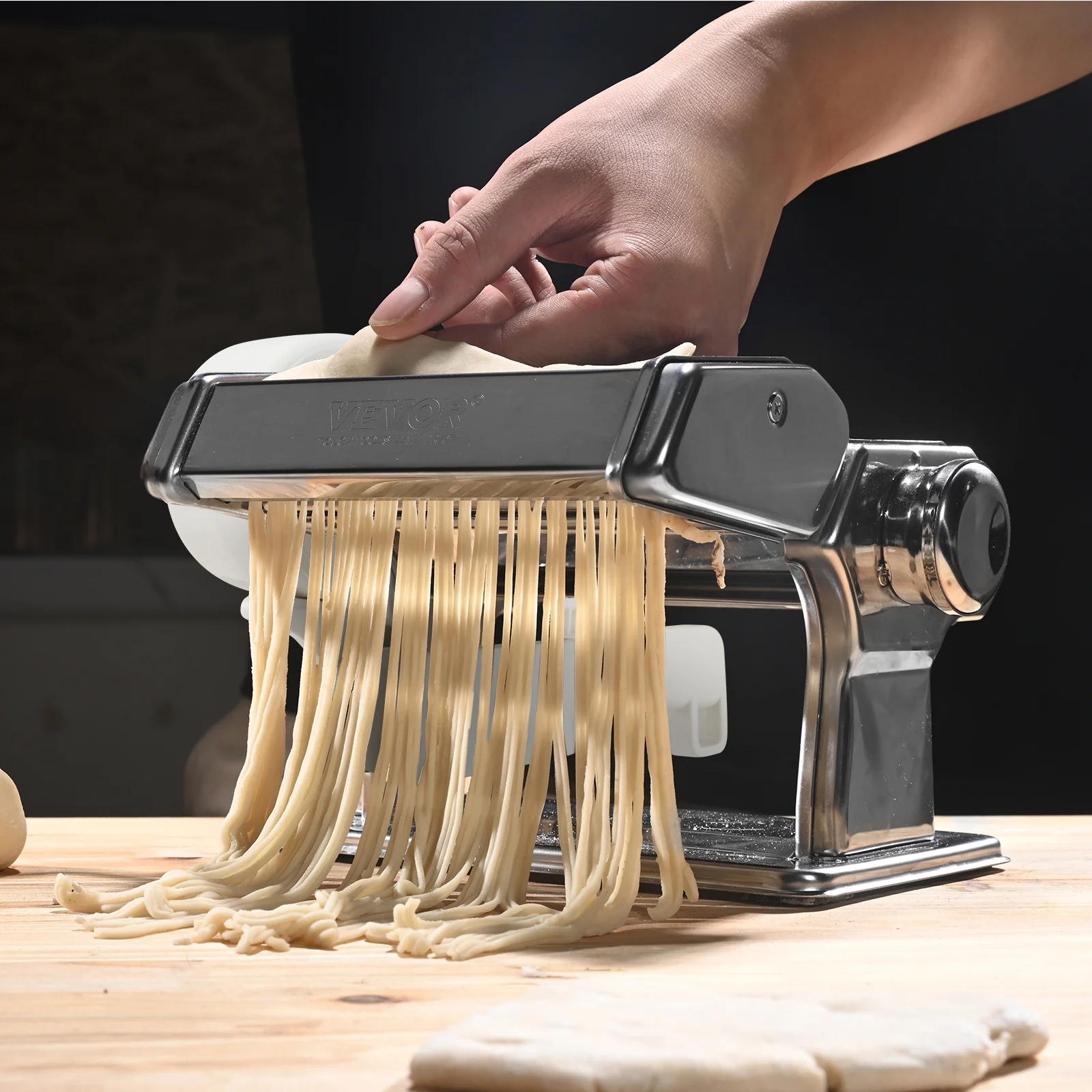
The Classic Duo: Pasta Roller and Cutter Set
This is often considered the foundational set for any aspiring pasta maker. The core component is the Pasta Roller, a heavy-duty, stainless steel attachment often lauded for its quality and “Made in Italy” craftsmanship.
- How it Works: The pasta roller takes your prepared dough and, with the power of your KitchenAid mixer, rolls it into thin, uniform sheets. It typically features eight thickness settings, allowing you to gradually thin out your dough from thick sheet (setting 1) for kneading and strengthening, to delicate, near-translucent sheets for ravioli or stuffed pastas (higher settings).
- Versatility: These sheets are your blank canvas. You can use them as-is for lasagna or cannelloni, or hand-cut them into wide pappardelle.
- Cutter Attachments: The most common companion pieces are the Fettuccine Cutter and Spaghetti Cutter. Once your dough is rolled to the desired thickness, you simply swap the roller for one of these cutters, feed the sheet through, and watch as perfect strands emerge. While the spaghetti cutter produces thin, cylindrical noodles, the fettuccine cutter creates flat ribbons, ideal for classic dishes like Fettuccine Alfredo. Additional cutter attachments like the Capellini (angel hair) and Lasagnette (smaller lasagna sheets) are also available, offering even more variety.
- Pros: This set offers incredible control over dough thickness, crucial for perfect pasta. It’s robust, durable, and highly versatile for a wide range of flat and hand-cut pasta types.
- Cons: While superb, this set does require two steps (rolling, then cutting), and the initial investment can be a consideration.
The Innovative Extruder: KitchenAid Gourmet Pasta Press
For those who dream of more intricate pasta shapes without the hand-forming hassle, the Gourmet Pasta Press is a game-changer.
- How it Works: Unlike the roller, the pasta press doesn’t require you to pre-roll sheets. Instead, you feed prepared dough directly into a hopper, and the mixer’s power forces it through one of six interchangeable dies. A built-in wire cutter allows you to snip the pasta strands to your desired length as they emerge.
- Unique Shapes: This attachment is your ticket to making specialty pasta like tubular bucatini, ridged rigatoni, playful fusilli, and both large and small macaroni.
- Pros: It’s super fun to watch and makes unique shapes that are difficult to achieve otherwise. It’s a quick way to produce consistent, beautiful extruded pasta.
- Cons: Some users find the pasta press can be a bit finicky with dough consistency; it needs to be just right – not too wet, not too dry – to extrude properly and prevent clogging. Cleaning can also be more involved, often requiring the pasta remnants to dry overnight before brushing out. There have also been anecdotal reports of it straining the mixer if dough is too stiff or run at too high a speed.
Why Invest? The Benefits of a KitchenAid Pasta Maker Attachment
Beyond the sheer joy of creating something from scratch, owning a KitchenAid pasta attachment brings a host of practical and delicious advantages to your kitchen.
Unleash Fresh Flavor and Texture
There’s simply no comparison between fresh, homemade pasta and the dried boxed variety. Homemade pasta boasts a superior texture – delicate yet toothsome, absorbing sauces beautifully. The flavor is brighter, richer, and genuinely tastes of its simple, high-quality ingredients. It’s like tasting pasta for the very first time!
Effortless Efficiency with Your Stand Mixer
The beauty of these attachments lies in leveraging the power and stability of your KitchenAid stand mixer. No more wrestling with a hand-crank machine, trying to roll dough with one hand while cranking with the other. Your mixer does the heavy lifting, freeing up both your hands to guide the dough, ensuring even results and a much more enjoyable process. This makes what could be a laborious task feel remarkably easy and enjoyable.
Endless Creativity in Your Kitchen
Whether you’re crafting classic lasagna sheets, elegant fettuccine, or whimsical fusilli, these attachments open up a world of culinary possibilities. You can experiment with different flours, add herbs or vegetable purees to your dough for vibrant colors and subtle flavors, and truly tailor your pasta to any dish. It’s a wonderful way to express your creativity and impress your family and friends.
Durability and Craftsmanship
KitchenAid attachments, especially the pasta rollers and cutters, are often constructed from high-quality, durable materials like stainless steel. This means they’re built to last, becoming a reliable tool in your kitchen for years to come. Investing in these attachments means investing in countless memorable meals.
Getting Started: A Step-by-Step Guide to Using Your Attachment
Ready to dive in? Here’s how to make fresh pasta with your KitchenAid attachments. While specific instructions might vary slightly by attachment, the core process remains consistent.
Preparing Your Perfect Pasta Dough
Every great pasta starts with great dough. For a basic egg pasta, you’ll typically need all-purpose flour (or “00” flour for a silkier texture), eggs, a pinch of salt, and sometimes a splash of water or olive oil.
- Mix: In your KitchenAid mixing bowl, combine the flour and salt. Create a well in the center and crack in the eggs (and any liquid). Use the flat beater attachment on low speed to gradually incorporate the ingredients until a crumbly mixture forms.
- Knead: Switch to the dough hook attachment and knead on speed 2 for about 2 minutes. The dough should come together into a ball and pull away from the sides of the bowl. If it’s too dry, add water teaspoon by teaspoon; too wet, add a little more flour.
- Rest: Remove the dough, form it into a ball, and wrap it tightly in plastic wrap. Let it rest at room temperature for at least 20-30 minutes. This crucial step allows the gluten to relax, making the dough much easier to roll and work with.
Attaching and Setting Up
Before you begin, ensure your KitchenAid mixer is off and unplugged. Locate the power hub on the front of your stand mixer. Remove the hub cover, then insert the attachment shaft housing into the hub, rotating it slightly until the power shaft fits into the square socket. Tighten the attachment hub knob until the attachment is securely in place.
Rolling the Dough (for Pasta Roller/Cutter)
This is where the magic really happens with the roller.
- Divide and Flatten: Unwrap your rested dough and divide it into 3-4 manageable pieces. Gently flatten one piece with your hands into a rough rectangle. Keep the other pieces covered to prevent drying.
- Start Thick: Attach the pasta roller to your mixer and set it to the widest setting (usually setting 1). Turn your mixer to speed 2. Feed the flattened dough through the roller.
- Fold and Repeat: Once it passes through, fold the dough in half or in thirds, lightly dust with flour, and feed it through setting 1 again. Repeat this 2-3 times. This helps to further knead and strengthen the dough, giving your pasta a perfect chew.
- Gradually Thin: Now, gradually decrease the thickness setting, moving one setting at a time (e.g., from 1 to 2, then 2 to 3, and so on). Pass the dough through each setting once or twice without folding, dusting with flour as needed to prevent sticking. Continue until you reach your desired pasta thickness. For most spaghetti or fettuccine, settings 5-7 are common, while ravioli might require a thinner sheet.
Cutting Your Noodles (for Pasta Roller/Cutter)
Once your dough sheets are perfectly thin, it’s time to cut!
- Swap Attachments: Turn off your mixer, remove the pasta roller, and attach your desired cutter (Spaghetti, Fettuccine, etc.).
- Feed and Cut: Turn your mixer back to speed 2. Carefully feed your long pasta sheets through the cutter. As the noodles emerge, gently catch them. You might want to cut the long sheets into shorter, more manageable lengths (around 8-12 inches) before feeding them through to avoid excessively long strands.
- Nest or Dry: Dust your freshly cut pasta with a little semolina flour to prevent sticking and form them into small “nests” or lay them on a pasta drying rack.
Extruding Specialty Shapes (for Pasta Press)
If you’re using the Gourmet Pasta Press, the process is a bit different.
- Prepare Dough (Slightly Drier): The pasta press works best with a slightly drier, firmer dough than what you might use for the roller. This prevents sticking and ensures clean extrusion.
- Attach Die: Secure the pasta press attachment to your mixer and insert your chosen pasta die (e.g., rigatoni, bucatini).
- Feed Dough: Turn your mixer to a low to medium speed (often speed 4 is recommended for extrusion). Feed small, walnut-sized pieces of dough into the hopper, using the provided pusher to gently guide it.
- Cut to Length: As the pasta extrudes, use the built-in wire cutter to slice it to your desired length.
- Dry: Place the extruded pasta on a floured surface or drying rack.
Drying Your Fresh Pasta
Fresh pasta cooks much faster than dried pasta. You can cook it immediately, or dry it for later use. For strands, form nests or hang them on a drying rack. For shapes like orzo or macaroni, toss them lightly in flour and spread them in a single layer on parchment paper or a clean towel. Properly dried pasta can be stored in an airtight container for weeks or frozen for up to a month.
Mastering Your Machine: Tips, Tricks, and Troubleshooting
Making pasta is a skill that improves with practice. Here are some pointers to help you master your KitchenAid attachments:
- Dough Consistency is Key: This is arguably the most important factor. Your dough should be firm but pliable, not sticky. It should hold its shape without crumbling. If it’s too dry, it will tear; too wet, it will stick. Don’t be afraid to adjust with small additions of flour or water during mixing.
- Flour Power: Preventing Stickiness: Liberally dust your work surface, your hands, and the dough itself with flour (semolina works wonderfully for this) between each pass through the roller or as you handle extruded pasta. This is your best defense against sticky situations.
- Speed Control: Slow and Steady Wins the Race: Resist the urge to crank your mixer to high speeds. Speed 2 is often ideal for rolling and cutting, providing enough power without overworking the dough or causing tearing. For the pasta press, follow manufacturer recommendations, often a moderate speed is best to avoid straining the mixer.
- Cleaning and Maintenance: Keeping Your Attachments Pristine: This is crucial for longevity.
- Pasta Roller and Cutters: Never immerse these in water or put them in the dishwasher. Water can damage the internal mechanisms. Instead, allow any dough remnants to dry completely on the attachments (often overnight). Once dry, the dough will become brittle and can be easily brushed off with a small cleaning brush (often included with the set). A toothpick can help with stubborn bits.
- Pasta Press: While some parts might be dishwasher safe, it’s generally recommended to allow any stuck dough to dry before cleaning. Use the provided cleaning tool to dislodge dried pasta from the dies and housing.
Beyond the Basics: Recipes to Ignite Your Pasta Passion
With your KitchenAid pasta maker attachment, you’re ready to explore a world of flavors.
- Classic Fettuccine Alfredo: The rich, creamy sauce clings perfectly to fresh, tender fettuccine. Make your own egg pasta sheets, cut them into fettuccine, and enjoy this timeless dish.
- Hearty Bolognese with Fresh Spaghetti: While the pasta press can make tubular spaghetti, the roller and cutter set produces beautiful thin strands. Pair either with a slow-simmered, meaty Bolognese sauce for a truly comforting meal.
- Simple Lemon Herb Pasta: For a lighter fare, use your freshly rolled spaghetti or capellini with a bright sauce of olive oil, fresh lemon zest and juice, garlic, and your favorite herbs like parsley or basil.
Expert Insight
“The KitchenAid pasta attachments aren’t just tools; they’re an invitation to connect with food on a deeper level,” shares Chef Antonio Rossi, head culinary strategist for Pasta Perfetta. “The sensory experience of transforming simple ingredients into fresh, flavorful pasta is incredibly rewarding. It’s about bringing tradition into your modern kitchen with effortless grace.”
FAQ
Q1: Is the KitchenAid pasta attachment worth the cost?
A1: Many users agree that the KitchenAid pasta attachments are a worthwhile investment, especially if you love fresh pasta and already own a stand mixer. They offer superior quality, durability, and ease of use compared to manual alternatives, making homemade pasta accessible and enjoyable.
Q2: What’s the main difference between the pasta roller and the pasta press?
A2: The pasta roller creates flat sheets of dough, which you then cut into noodles (like fettuccine or spaghetti) or use for filled pastas (like ravioli). The pasta press, an extruder, pushes dough through dies to create specialty shapes like bucatini, rigatoni, and fusilli, without needing to roll sheets first.
Q3: Can I make gluten-free pasta with these attachments?
A3: Absolutely! You can make delicious gluten-free pasta using your KitchenAid attachments. The key is to use a high-quality gluten-free flour blend and often include xanthan gum in your recipe, which provides the necessary elasticity usually supplied by gluten. Dough consistency is crucial for success.
Q4: How do I store fresh homemade pasta?
A4: Fresh pasta is best cooked within 24 hours. For short-term storage, dust it lightly with flour, form into nests, and refrigerate in an airtight container. For longer storage, you can either thoroughly dry the pasta or freeze flour-dusted nests on a baking sheet before transferring to an airtight container.
Q5: What are the essential attachments for a beginner?
A5: For most beginners, the 3-piece Pasta Roller and Cutter Set (including the pasta roller, spaghetti cutter, and fettuccine cutter) is highly recommended. This set allows you to make the most popular pasta shapes and provides a great introduction to homemade pasta making.
Conclusion
The KitchenAid pasta maker attachment is more than just an accessory; it’s a gateway to a world of culinary delight. It transforms your trusty stand mixer into a powerful, efficient pasta machine, allowing you to create fresh, flavorful pasta with ease. From the silky sheets of the pasta roller to the intricate shapes of the pasta press, these attachments empower you to explore new recipes, impress your loved ones, and savor the incomparable taste of truly homemade pasta. So, dust off your KitchenAid, embrace the art of pasta making, and get ready to create some culinary magic!