Imagine the aroma of freshly made pasta wafting through your kitchen, a delicious promise of a meal made with love and care. For many home cooks, this isn’t just a dream; it’s a delightful reality, thanks to tools like the Marcato Atlas 150 Pasta Maker. This iconic machine isn’t just a kitchen gadget; it’s an invitation to a world of culinary tradition, offering unparalleled quality and a truly hands-on experience in creating perfect pasta from scratch. If you’re ready to elevate your pasta game and bring a touch of Italian heritage into your home, the Marcato Atlas 150 is often considered the gold standard.
A Legacy Forged in Italy: The Marcato Story
The story of the Marcato Atlas 150 is deeply rooted in Italian craftsmanship and a passion for good food. It all began in 1930 when Otello Marcato, a visionary entrepreneur, first invented the precursor to today’s pasta maker. His dedication led to the establishment of the first Marcato factory in Padua, Italy, in 1938. Since then, the brand has been synonymous with quality and precision, and the Atlas 150 itself has stood as a design icon since 1965. To this day, every Marcato machine and accessory is proudly manufactured in that same factory, ensuring a consistent level of excellence that has been passed down through generations.
Why the Marcato Atlas 150 Stands Out: Features and Benefits
The enduring popularity of the Marcato Atlas 150 pasta maker isn’t just about its history; it’s about its exceptional performance and the joyful experience it provides. This machine is designed for those who appreciate the process as much as the product, offering a blend of durability, precision, and versatility.
Unrivaled Build Quality and Durability
The moment you hold a Marcato Atlas 150, you’ll feel the difference. Unlike many modern appliances, this pasta maker is built to last, often becoming a cherished family heirloom. Its body is constructed from high-quality nickel-plated steel, providing excellent corrosion resistance, while the rollers are made from either chrome-plated or anodized aluminum steel. These patented rollers also feature a slightly rough texture, an ingenious detail that helps sauces cling more effectively to your freshly made pasta. The machine’s substantial weight, typically between five and seven pounds, contributes to its remarkable stability on your countertop. Marcato is so confident in their craftsmanship that every Atlas 150 comes with an impressive 10-year manufacturer warranty. You can even find the Marcato Atlas 150 in a range of vibrant colors, where the hues are infused directly into the anodized aluminum, ensuring they won’t chip, scrape, or fade over time.
Precision at Your Fingertips: Thickness Settings
One of the standout features of the Marcato Atlas 150 is its precise thickness adjustment dial, offering ten distinct settings ranging from a robust 4.8 millimeters down to a delicate 0.6 millimeters. This tactile control is a game-changer for homemade pasta. You can truly “feel” the dough as it passes through the rollers, sensing if it’s too dry or too wet and making adjustments on the fly. This hands-on process also naturally helps develop the gluten in your dough, resulting in that wonderfully smooth, elastic texture that fresh pasta is famous for. The clearly etched numbers on the dial make it easy to select your desired thickness, ensuring consistent results whether you’re aiming for hearty lasagna sheets or gossamer-thin tagliolini.
Versatility Beyond Imagination: Pasta Shapes and More
Out of the box, the Marcato Atlas 150 pasta maker equips you to create classic lasagna sheets, along with two popular pasta shapes: fettuccine (approximately 6mm wide) and tagliolini (around 1.5-1.6mm wide). But the machine’s capabilities extend far beyond these basics. Marcato offers a wide array of optional attachments, sold separately, that allow you to explore a world of pasta shapes, from classic spaghetti and trenette to elegant pappardelle and delicious ravioli. What’s truly remarkable is its versatility for other culinary creations. The smooth rollers of the Marcato Atlas 150 can also be used to prepare dough for various Asian noodles like ramen and udon, savory flatbreads such as piadina and crackers, or even delicate sweets like baklava. It’s a true workhorse in the kitchen.
The Joy of Manual Control (and the Option for Electric)
Choosing a manual pasta maker like the Marcato Atlas 150 is often about embracing the craft of cooking. There’s an undeniable satisfaction in turning the hand crank, feeling the dough transform, and knowing you’ve created something beautiful with your own hands. This manual operation provides superior tactile feedback, allowing you to intuitively adjust to your dough’s needs. It’s also a wonderfully quiet process, a stark contrast to the hum of electric machines, making pasta making a more serene and enjoyable activity. However, for those times when you might appreciate a bit of assistance, Marcato also offers an optional motor attachment. This ingenious accessory easily connects to your Atlas 150, transforming it into an electric machine and freeing up both hands for guiding the dough, offering the best of both worlds.
Getting Started with Your Marcato Atlas 150: A Step-by-Step Guide
Embarking on your fresh pasta journey with the Marcato Atlas 150 pasta maker is straightforward and incredibly rewarding. Here’s how to get started:
Setup and Initial Cleaning
First things first, unpack your new Marcato Atlas 150 and all its components: the machine, the pasta cutter, the hand crank, and the clamp. Before its maiden voyage, give the machine a quick clean with a dry brush or cloth to remove any manufacturing residues. Remember, never wash your pasta maker with water or put it in the dishwasher. Next, secure the machine to a stable countertop or table using the included clamp, ensuring it’s firmly attached to prevent any wobbling during use. Finally, insert the hand crank into the roller opening on the side of the machine. You’re almost ready to roll!
Mastering the Dough Rolling Process
The secret to great pasta lies in well-rolled dough. Start by setting the thickness adjustment knob to its widest setting, usually “0” or “1.” Take a portion of your prepared pasta dough, flatten it slightly by hand, and feed it through the smooth rollers while turning the hand crank. Once it passes through, fold the dough in half or thirds, dust lightly with flour if it feels sticky, and pass it through the widest setting again. Repeat this folding and rolling process about 5-6 times until your dough sheet becomes beautifully smooth and elastic. Now, you’ll gradually decrease the thickness setting, moving from “1” to “2,” then “3,” and so on, passing the dough through each setting once or twice until you reach your desired thickness. For fettuccine, a setting of “5” is often recommended, while tagliolini typically calls for a “7.” If you’re aiming for the thinnest possible sheets, go all the way to “9.”
Cutting Your Perfect Pasta Strands
Once your pasta sheet has reached the perfect thickness, it’s time for the fun part: cutting! Carefully remove the hand crank from the smooth rollers and insert it into the hole on the side of the dual pasta cutter attachment. Feed your rolled pasta sheet into the desired cutting slot (either for fettuccine or tagliolini) while turning the crank. As the beautiful strands emerge, gently collect them and dust them lightly with flour to prevent sticking. You can then hang your fresh pasta on a drying rack for 5-6 hours until dry, or cook it immediately for the freshest experience.
Keeping Your Atlas 150 in Pristine Condition: Cleaning and Maintenance
Proper care will ensure your Marcato Atlas 150 pasta maker remains a kitchen staple for years to come. The most crucial rule to remember is: never, under any circumstances, wash the machine with water or place it in the dishwasher. Water can damage the internal mechanisms. Instead, after each use, allow any residual dough or flour to dry for about an hour. Then, use a dry brush, a clean cloth, or even a wooden skewer to gently remove any dried bits of flour and pasta from the rollers and cutters. Newer models, those made after June 2022, feature removable black combs in the cutting attachments, making it even easier to thoroughly clean them. It’s normal to find a small amount of food-safe mineral oil on the exterior of a new machine; simply wipe any excess off with a dry cloth. With this simple maintenance routine, your Marcato Atlas 150 will continue to perform flawlessly.
Manual vs. Electric Pasta Makers: Where Does the Atlas 150 Fit?
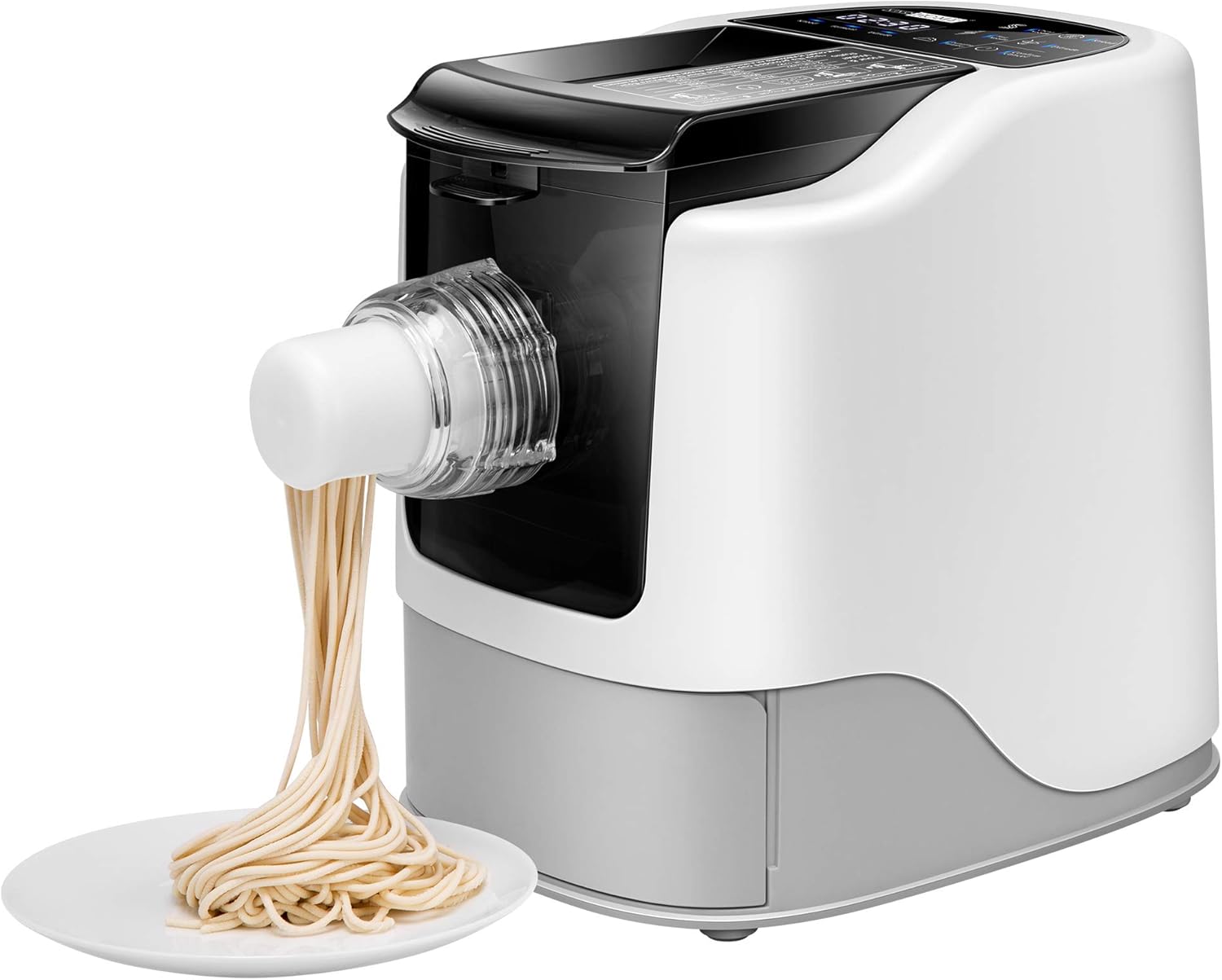
The debate between manual and electric pasta makers often boils down to personal preference and cooking style. Manual machines like the Marcato Atlas 150 offer a deeply engaging and traditional pasta-making experience. They provide superior control and tactile feedback, allowing you to truly connect with your dough. They are generally quieter, more compact, and often more affordable than their electric counterparts. Plus, you’re not reliant on electricity, meaning fresh pasta is always on the menu, come what may! The trade-off is that manual rolling can be a bit slower and might require a bit more coordination, sometimes needing two hands to manage the dough and crank simultaneously.
Electric pasta makers, on the other hand, prioritize speed and convenience. Many models can mix, knead, and extrude pasta quickly, freeing up your hands during the process. However, this convenience often comes with a higher price tag, increased noise, and a larger footprint in your kitchen. The lack of hands-on control can also make the process feel less artisanal for some cooks. The beauty of the Marcato Atlas 150 lies in its versatility: it offers the cherished manual experience, yet can easily be upgraded with an optional motor attachment, allowing you to switch between traditional craftsmanship and modern convenience as your mood or needs dictate.
Frequently Asked Questions About the Marcato Atlas 150
Q: Is the Marcato Atlas 150 easy to use for beginners?
A: Absolutely! The Marcato Atlas 150 pasta maker is renowned for its user-friendly design. While there’s a slight learning curve to mastering dough consistency and rolling techniques, the machine itself is straightforward to operate, making it an excellent choice for those new to homemade pasta.
Q: What kind of pasta can I make with the Marcato Atlas 150?
A: Out of the box, you can make lasagna sheets, fettuccine, and tagliolini. With Marcato’s wide range of optional attachments, you can expand your repertoire to include spaghetti, ravioli, pappardelle, trenette, and many more, even Asian noodles or unleavened breads.
Q: How do I clean my Marcato Atlas 150 pasta maker?
A: Never use water or a dishwasher. The best way to clean your Marcato Atlas 150 is by allowing any dough residue to dry, then brushing it off with a dry pastry brush or cloth. You can also use a wooden stick to dislodge stubborn bits. Some cutting attachments feature removable combs for easier cleaning.
Q: Is the motor attachment for the Atlas 150 worth it?
A: The optional motor attachment offers added convenience by eliminating the need for hand-cranking, allowing you to use both hands to guide the dough. It’s a great investment if you make pasta frequently or prefer a hands-free experience without sacrificing the quality of your Marcato Atlas 150.
Q: How long does fresh pasta last?
A: Freshly made pasta can be cooked immediately. If you want to store it, you can dry it for 5-6 hours on a pasta rack and then store it in an airtight container at room temperature for up to 2-3 days, or in the freezer for up to 2-3 months.
Embrace the Art of Pasta Making
The Marcato Atlas 150 pasta maker is more than just a kitchen tool; it’s a gateway to culinary creativity and a connection to a rich gastronomic heritage. Its robust construction, precise engineering, and incredible versatility make it a worthy investment for anyone passionate about homemade food. Whether you’re a seasoned chef or a curious beginner, this machine empowers you to craft beautiful, delicious, and authentic pasta right in your own kitchen. So, roll up your sleeves, embrace the joy of dough, and discover the satisfying world of fresh pasta with your Marcato Atlas 150.