Welcome, fellow pasta enthusiasts! There’s a special joy that comes from creating fresh pasta right in your own kitchen. It’s a sensory experience—the feel of the dough, the gentle hum of the machine, and the ultimate reward of a truly authentic meal. If you’ve ventured into the world of homemade pasta, chances are you’ve encountered the renowned Marcato Atlas 150, a true icon in Italian kitchenware. But did you know its capabilities extend far beyond the basic sheets? Dive in with us as we explore the incredible versatility and sheer delight of Marcato pasta maker attachments, transforming your kitchen into a genuine Italian pasta laboratory.
The Heart of Italian Pasta Making: A Glimpse into Marcato’s Legacy
Before we dive into the exciting world of attachments, let’s acknowledge the legacy that makes Marcato a household name. Originating in Campodarsego, Italy, Marcato has been crafting pasta machines for generations, embodying a passion for tradition and innovation. Their commitment to quality and food safety, using materials like chrome-plated steel and anodized aluminum alloy rollers, means that when you choose Marcato, you’re not just buying a tool; you’re investing in a piece of culinary heritage designed to last a lifetime. “Making fresh pasta at home isn’t just about food; it’s about connecting with centuries of culinary tradition. Marcato attachments are your passport to that journey,” shares Isabella Rossi, a celebrated culinary historian.
Beyond the Basics: Essential Marcato Atlas 150 Attachments
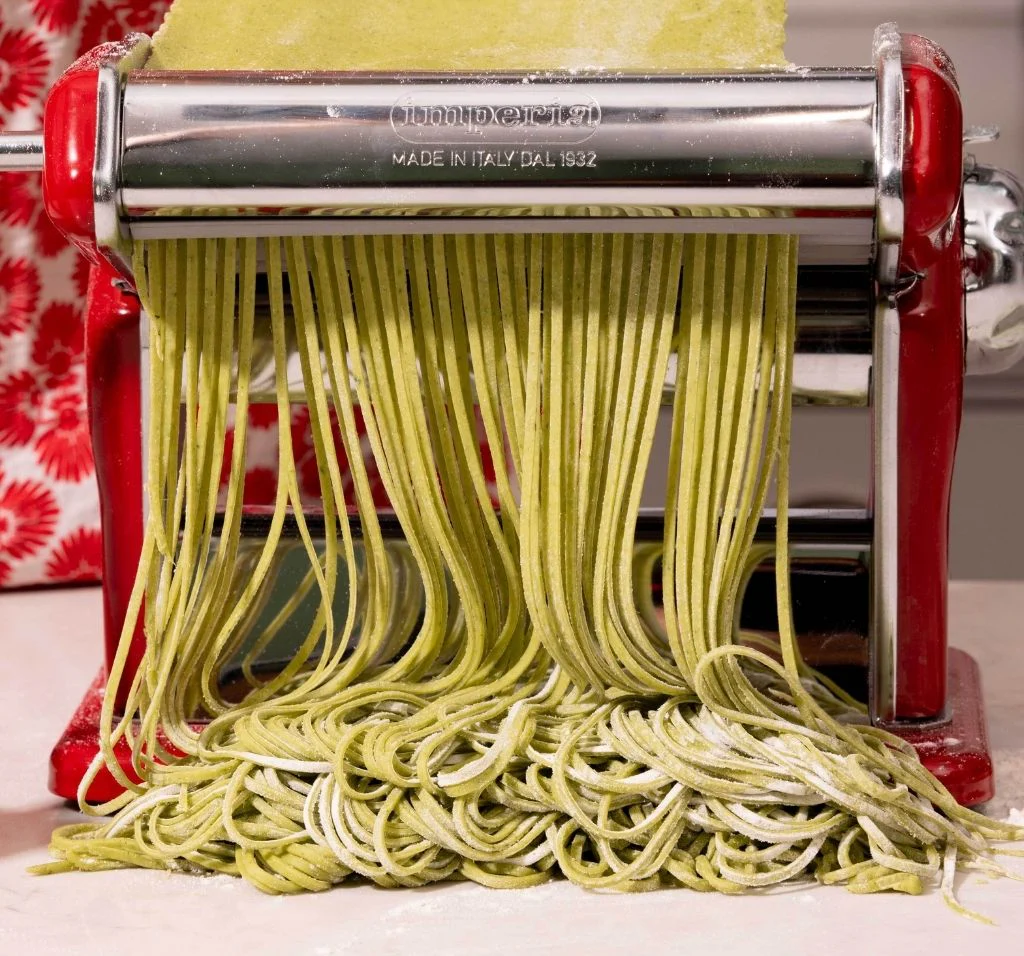
While your Marcato Atlas 150 likely came with rollers for flat pasta sheets (perfect for lasagna or ravioli) and a dual cutter for fettuccine and tagliolini, the real adventure begins when you explore the specialized Marcato Pasta Maker Attachments. These ingenious additions unlock a world of pasta shapes, each designed to capture and complement different sauces and culinary creations.
Long Pasta Perfection
For those who adore classic strands that twirl elegantly around a fork, Marcato offers a fantastic array of long pasta attachments:
- Spaghetti (2mm): The universally loved classic, ideal for creamy carbonara or vibrant tomato sauces.
- Capellini (Angel Hair – 1mm): Extremely delicate and thin, perfect for light sauces, seafood, or simply a drizzle of olive oil.
- Linguine (3mm): A flattened spaghetti, often paired with pesto or clam sauces.
- Trenette (3.5mm): Similar to linguine but slightly wider, excellent for capturing heartier pestos.
- Pappardelle (50mm / 43mm): Broad, flat ribbons, a rustic choice that stands up beautifully to rich, slow-cooked ragus, like a wild boar ragu.
- Mafaldine (Reginette – 12mm): Wavy-edged ribbons that add a touch of elegance and provide extra surface area for chunky sauces.
- Vermicelli: Thinner than spaghetti, often used in soups or with light broths.
- Bigoli (3.5mm): A thick, whole-wheat spaghetti-like pasta with a rough texture, traditionally served with duck ragu or rich meat sauces.
- Lasagnette (10mm): Narrower lasagna sheets, great for individual servings or layered baked dishes.
Crafting Stuffed Delights
Marcato also excels in helping you create exquisite stuffed pasta, bringing a new dimension to your culinary skills:
- Ravioli (1.7-inch squares): Create perfectly sealed pockets of delicious filling, ideal for anything from ricotta and spinach to meat.
- Raviolini (1.2-inch squares): Smaller versions of ravioli, fantastic for delicate fillings and light broths.
- Mignon: Another small, square ravioli attachment, perfect for appetizers or elegant pasta dishes.
These attachments are designed with “Wellness alloy rollers,” ensuring a high-quality product. “The beauty of Marcato lies in its engineering. Those anodized aluminum rollers aren’t just for show; they ensure your pasta is always pure, without any metallic interference. It’s a testament to their commitment to healthy, wholesome food,” notes Marco Bianchi, a renowned food scientist.
Why Elevate Your Pasta Game? Benefits of Marcato Attachments
Investing in Marcato pasta maker attachments brings a multitude of benefits to your kitchen:
- Unmatched Versatility: You’re no longer limited to two or three pasta shapes. With these attachments, you can explore dozens of traditional Italian and creative pasta forms.
- Authenticity at Your Fingertips: Recreate classic regional Italian dishes with the correct pasta shape, enhancing both the texture and flavor experience.
- Superior Quality and Durability: Made in Italy with robust, food-safe materials like chrome-plated steel and anodized aluminum, these attachments are built to endure years of enthusiastic pasta making.
- Effortless Expansion: Marcato attachments easily clip into your Atlas 150, expanding your machine’s capabilities in minutes. Most can even be used with the optional Pastadrive motor for faster, hands-free operation (though safety prevents motor use with mafaldine, pappardelle, and reginette attachments).
- Health and Control: By making pasta from scratch, you control every ingredient, ensuring a wholesome meal free from preservatives or additives. The Wellness alloy rollers also guarantee that no metals are released onto your fresh pasta.
Mastering Your Marcato Attachments: A Practical Guide
Using your Marcato pasta maker attachments is intuitive, but a few tips can make all the difference for a perfect result every time.
The Art of Dough Preparation
The foundation of any great pasta is the dough. For most rolled pasta shapes made with Atlas attachments, aim for a dough that is soft but not sticky. If your dough is too wet, it will stick to the rollers; too dry, and it will crack. Sprinkle a little ’00’ flour or semolina if it feels tacky.
Attaching and Operating Your Way to Delight
- Preparation: Ensure your Marcato Atlas 150 is securely clamped to your countertop.
- Attaching the Cutter: Simply slide your chosen attachment into the designated slots where the standard double cutter would normally sit. It should click firmly into place.
- Rolling Sheets: Start by feeding your pasta dough through the flat rollers of the Atlas 150, gradually decreasing the thickness setting until you reach the desired thinness for your chosen pasta shape. For spaghetti or fettuccine, a thickness setting of 4 or 5 is often recommended.
- Cutting/Shaping: Once your pasta sheet is at the correct thickness, feed it through the specialized attachment. If using the hand crank, guide the pasta sheet with one hand while cranking with the other. If you have the Pastadrive motor, simply guide the dough, and let the motor do the work.
- Pro Tip for Success: “Don’t be intimidated by new shapes! Start with something simple like fettuccine, then gradually explore. The real magic happens when you discover which pasta best complements your favorite sauce,” advises Chef Antonio Marino, a celebrated pasta master. Dust your pasta sheets lightly with flour or semolina before feeding them through cutter attachments to prevent sticking.
Preserving Your Investment: Care and Cleaning for Longevity
To ensure your Marcato pasta maker attachments last a lifetime, proper cleaning is absolutely crucial.
- The Golden Rule: NO WATER! Never wash your Marcato machine or its attachments with water or put them in the dishwasher. This can cause the aluminum components to rust.
- Dry Cleaning is Key: The best way to clean your attachments is to let any residual pasta dough dry for an hour or two after use. Once dry, use a stiff brush (like a pastry brush or a dedicated cleaning brush) and a dry cloth to gently brush away all dried flour and pasta bits.
- Releasing Combs: For cutting attachments, you can often flip them upside down and press on small metal rods to release internal combs, allowing for more thorough cleaning of any trapped dough. These combs easily reattach.
- Storage: Once perfectly clean and dry, store your attachments in a dry place, away from humidity.
Pairing Perfection: Iconic Pasta Shapes and Their Sauces
The beauty of having a variety of Marcato pasta maker attachments is being able to match the perfect pasta shape to its ideal sauce, elevating every meal:
- Spaghetti: A timeless classic, it’s superb with rich, savory sauces like Carbonara, Amatriciana, or a simple yet vibrant tomato and basil.
- Fettuccine: Its flat, broad surface is excellent for clinging to creamy sauces such as Alfredo, or robust meat ragus.
- Ravioli: The perfect vessel for delicate fillings, often served with a light sage butter sauce, a simple marinara, or a drizzle of good olive oil.
- Capellini (Angel Hair): Its ethereal thinness calls for light, fresh sauces like aglio e olio (garlic and oil), fresh cherry tomato sauces, or delicate seafood preparations.
- Pappardelle: These wide, hearty ribbons are designed for clinging to thick, slow-cooked meat sauces, mushroom ragus, or rich game sauces.
Beyond the Atlas: Understanding the Marcato Regina Extruder
While our focus has been on the Marcato Atlas 150 and its diverse attachments, it’s worth noting the Marcato Regina Pasta Extruder Maker for its unique capabilities. Unlike the Atlas, which rolls and cuts sheets, the Regina extrudes dough through dies to create intricate shapes like bucatini, fusilli, and macaroni. Extruded pasta typically requires a drier, tougher dough, often with a higher proportion of semolina flour, to maintain its shape during the extrusion process and cooking. It’s a different, but equally rewarding, facet of homemade pasta.
Frequently Asked Questions (FAQ)
Are Marcato attachments compatible with all Marcato machines?
Most specialized Marcato pasta maker attachments are designed primarily for the popular Marcato Atlas 150. Always check the product description for compatibility with other models like the Atlas 180 or Pasta Fresca.
Can I wash Marcato attachments in the dishwasher?
Absolutely not. Marcato attachments should never be washed with water or placed in a dishwasher. This will cause them to rust and can damage the internal mechanisms. Always clean them with a dry brush or cloth after the pasta residue has dried.
What are “Wellness alloy rollers”?
Wellness alloy rollers are an innovative feature of Marcato machines and attachments. They are made from a special anodized aluminum alloy designed to prevent the release of any heavy metals onto your pasta, ensuring a 100% healthy and wholesome product.
Which attachments are best for beginners?
For beginners, the standard fettuccine and tagliolini cutters that often come with the Atlas 150 are a great start. From there, expanding to a spaghetti or linguine attachment is a natural progression, as these shapes are relatively easy to master.
How thick should my pasta dough be before cutting?
The ideal thickness depends on the specific pasta shape and your personal preference. For most cutting attachments like spaghetti or fettuccine, rolling the dough to a setting of 4 or 5 on your Marcato Atlas 150 is generally recommended. Stuffed pastas like ravioli might require slightly thicker sheets (around setting 6 or 7) for strength, while delicate capellini needs a thinner sheet (setting 3 or 4).
Conclusion
Embracing the full range of Marcato pasta maker attachments is more than just acquiring new kitchen tools; it’s an invitation to explore the vast, rich world of Italian pasta making right from your home. Each attachment opens a door to new textures, flavors, and culinary traditions, transforming simple ingredients into extraordinary meals. Whether you’re a seasoned chef or just beginning your pasta journey, these attachments empower you to create authentic, wholesome, and delicious pasta that will delight family and friends alike. So, roll up your sleeves, choose your next pasta adventure, and let your Marcato machine be your guide to a table filled with perfect, homemade pasta.