Imagine the aroma of freshly made pasta wafting through your kitchen, each tender strand a testament to homemade goodness. It’s a culinary dream many aspire to, and with the right Pasta Dough Maker, it’s a reality within easy reach. This isn’t just about cooking; it’s about crafting, connecting with tradition, and elevating everyday meals into extraordinary experiences. Getting your hands on a reliable pasta dough maker is the first step towards transforming your kitchen into a true Italian trattoria, bringing the authentic taste of Italy right to your dining table.
The Heart of Italian Cuisine: What is a Pasta Dough Maker?
At its core, a pasta dough maker is a kitchen appliance designed to simplify the process of transforming simple ingredients like flour and eggs into perfectly uniform sheets or strands of fresh pasta. For centuries, pasta making was a labor of love, requiring significant time and muscle to knead and roll dough by hand. The invention and evolution of the pasta dough maker revolutionized this process, making it accessible to home cooks and professional chefs alike. It bridges the gap between traditional craftsmanship and modern convenience, ensuring that everyone can enjoy the delicate texture and rich flavor of homemade pasta without the daunting effort. This indispensable tool handles the most challenging parts of pasta preparation, allowing you to focus on the joy of cooking and the artistry of Italian cuisine.
A World of Options: Types of Pasta Dough Makers
When it comes to choosing a pasta dough maker, you’ll find a variety of designs, each offering unique benefits and catering to different culinary styles and kitchen setups. Understanding these types will help you select the perfect machine to kickstart your pasta-making journey.
Manual Pasta Makers
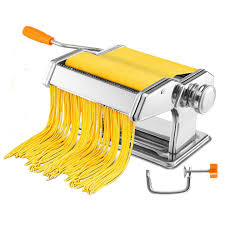
These classic, hand-cranked pasta dough makers are the traditional choice for many enthusiasts. Often made of sturdy stainless steel, they typically clamp onto your countertop, providing stability as you feed dough through adjustable rollers. Models like the Marcato Atlas 150 are renowned for their durability and the precise control they offer over pasta thickness. You roll the dough by turning a crank, gradually decreasing the thickness setting until you achieve your desired sheet. While they require a bit more elbow grease, manual machines offer a tactile, authentic pasta-making experience and are often lauded for producing consistently excellent pasta sheets and noodles.
Electric Pasta Makers
For those who prioritize convenience and speed, an electric pasta dough maker is a fantastic option. These machines often automate the entire process, from mixing the dough to rolling and even cutting it. Some advanced models can even extrude various pasta shapes, including hollow ones like penne or macaroni, by simply adding ingredients and selecting a die. Electric models, such as those from Philips or electric versions of MARCATO machines, significantly reduce the physical effort involved, making fresh pasta preparation a breeze, especially for busy individuals or families.
Stand Mixer Attachments
If you already own a powerful stand mixer, a pasta dough maker attachment can be a smart and space-saving solution. Brands like KitchenAid offer roller and cutter attachments that connect directly to your mixer’s power hub. This setup leverages your mixer’s motor to handle the rolling, freeing up your hands to guide the dough. They are highly efficient for rolling large quantities of dough into sheets, and many sets include cutters for popular shapes like spaghetti and fettuccine. It’s a convenient way to enjoy the benefits of a pasta maker without adding another bulky appliance to your counter.
Extruder Pasta Makers
Extruder pasta dough makers are a specialized category, often electric, that push dough through interchangeable dies to form various pasta shapes. These machines are excellent for creating shapes that are difficult or impossible to make with rollers, such as macaroni, rigatoni, or fusilli. They typically mix the dough automatically and then extrude it, offering a truly hands-off experience for shaping pasta. The Philips Viva Collection Pasta and Noodle Maker is a popular example, delivering diverse pasta forms with minimal effort.
Why You Need a Pasta Dough Maker in Your Kitchen
Owning a pasta dough maker isn’t just about having another gadget; it’s about unlocking a world of culinary possibilities and enjoying superior results.
Unrivaled Freshness and Flavor
The most compelling reason to invest in a pasta dough maker is the incredible difference in taste and texture. Homemade pasta, made minutes before cooking, possesses a delicate tenderness and vibrant flavor that store-bought, dried pasta simply cannot match. It absorbs sauces more effectively and offers a satisfying chew that elevates any dish.
Complete Control Over Ingredients
With a pasta dough maker, you dictate every ingredient that goes into your pasta. This means you can choose high-quality flours, incorporate fresh herbs, add vegetable purées for color and nutrients, or even experiment with gluten-free alternatives to cater to dietary restrictions. You eliminate preservatives, artificial colors, and unnecessary additives, making for a healthier meal.
Achieve Consistent Results with Ease
One of the biggest challenges of making pasta by hand is achieving uniform thickness. A pasta dough maker solves this by providing adjustable settings, ensuring that every sheet and strand is rolled to consistent perfection. This consistency is key for even cooking and a professional presentation.
Time-Saving Convenience (Especially Electric Models)
While making pasta by hand can be time-consuming, a pasta dough maker drastically cuts down on prep time. Electric models, in particular, can mix, knead, and extrude or roll pasta in a matter of minutes, transforming pasta making from a special occasion project into an achievable weeknight meal. Even manual pasta dough makers significantly speed up the rolling process compared to a rolling pin.
Unleash Your Culinary Creativity
A pasta dough maker opens the door to endless culinary experimentation. Beyond spaghetti and fettuccine, many machines come with attachments or offer dies for a vast array of shapes like lasagna sheets, ravioli, tagliatelle, capellini, and more. You can experiment with different flours, egg-to-flour ratios, and even incorporate spices, allowing your creativity to flourish in the kitchen.
Your First Batch: How to Use Your Pasta Dough Maker
Ready to dive in? Here’s a simple guide to getting started with your pasta dough maker and crafting your first delicious batch of fresh pasta.
Preparing Your Dough for Success
The journey to perfect pasta begins with the dough. A basic recipe usually involves all-purpose or “00” flour, eggs, and a pinch of salt. Some recipes may include a touch of water or olive oil. Mix your ingredients—either by hand on a clean surface, in a large bowl with a fork, or using a stand mixer with a dough hook—until a shaggy dough forms. Then, knead the dough until it’s smooth, elastic, and no longer sticky, typically for about 5-10 minutes. This develops the gluten, which is essential for texture. Once kneaded, wrap the dough tightly in plastic wrap and let it rest at room temperature for at least 30 minutes, or up to two hours. This resting period allows the gluten to relax, making the dough much easier to roll.
Setting Up Your Machine
First things first, secure your pasta dough maker. If it’s a manual model, use the provided clamp to firmly attach it to a sturdy countertop or table. Ensure it’s stable and won’t wobble during use. For stand mixer attachments, simply connect them to your mixer’s power hub according to the manufacturer’s instructions.
Rolling the Dough to Perfection
Divide your rested pasta dough into manageable portions, usually about four pieces. Flatten one piece into a rough rectangle with your hands, about ½-inch thick. Set your pasta dough maker to its widest setting (often indicated as ‘1’). Lightly dust the dough with flour to prevent sticking, then feed it through the rollers while steadily turning the crank (or letting the electric motor do the work).
Once it emerges, fold the dough into thirds, like a letter, and feed it through the widest setting again. Repeat this folding and rolling process on the widest setting about 5-6 times. This step further kneads the dough, making it incredibly smooth and elastic. After this initial series of rolls, gradually decrease the thickness setting, one notch at a time, feeding the dough through each setting twice. Remember to dust the dough lightly with flour if it starts to feel sticky. Continue until you reach your desired pasta thickness, typically setting 4 or 5 for most pasta types.
Cutting Your Fresh Noodles
Once your dough sheets are perfectly thin, it’s time to cut them. If you’re using a manual machine, attach the desired cutting accessory (for spaghetti, fettuccine, etc.) to the pasta dough maker. For stand mixer attachments, you’ll typically swap the roller for the cutter. Lightly dust your rolled pasta sheets one last time, then feed them through the cutting attachment while turning the crank or activating the motor. As the noodles emerge, catch them gently and dust them with a little semolina flour to prevent sticking. You can cook them immediately, hang them on a pasta drying rack, or form them into small nests to dry or freeze.
Caring for Your Machine: Tips for Longevity and Hygiene
To ensure your pasta dough maker remains a trusty companion in your kitchen for years to come, proper care is crucial.
The Golden Rule: No Water!
This is the most important rule: never immerse your pasta dough maker in water or put it in a dishwasher. Water can rust the metal components and damage the internal mechanisms, especially in manual machines.
Instead, clean your machine immediately after use, allowing any residual dough to dry and harden slightly. Then, use a stiff brush or a wooden skewer to gently scrape off dried dough bits. For the rollers and cutters, feed a clean, dry cloth or paper towel through them while turning the crank to pick up any remaining flour or dough. Finally, wipe down the exterior with a damp cloth and dry it thoroughly with a soft towel. Store your pasta dough maker in a dry place to prevent rust and maintain its pristine condition.
Beyond the Basics: Pasta Varieties and Sauce Pairings
With your pasta dough maker, a world of Italian pasta shapes becomes accessible. You can easily create classic fettuccine and spaghetti, perfect with rich carbonara or vibrant pesto. Wide lasagna sheets lay the foundation for bubbling baked dishes, while delicate tagliatelle pairs beautifully with a hearty bolognese. For stuffed pasta like ravioli, your machine effortlessly rolls the thin sheets needed to encase delicious fillings. Experiment with different sauces—creamy alfredo, simple marinara, or robust ragù—to discover endless culinary combinations that highlight the fresh taste of your homemade pasta.
Frequently Asked Questions About Pasta Dough Makers
Q: Can I make gluten-free pasta with a pasta dough maker?
A: Absolutely! Many pasta dough makers are perfectly suitable for gluten-free flours. You might need to adjust the recipe slightly, as gluten-free dough can sometimes be more delicate, but the machine will handle the rolling and cutting with ease.
Q: How thick should pasta dough be rolled?
A: The ideal thickness depends on the type of pasta you’re making. For delicate filled pasta like ravioli, thinner settings (e.g., 6-7 on a 9-setting machine) are best. For fettuccine or spaghetti, a medium thickness (e.g., 4-5) is common, while lasagna sheets can be slightly thicker (e.g., 3-4). Experiment to find your personal preference!
Q: What’s the best way to clean a pasta dough maker?
A: The golden rule is to never wash it with water. Instead, use a stiff brush or wooden skewer to remove dried dough, and run a clean, dry cloth or paper towel through the rollers. Wipe the exterior with a damp cloth and dry thoroughly.
Q: Is it really worth buying a pasta dough maker?
A: If you love fresh pasta, enjoy cooking, and appreciate control over your ingredients, then absolutely! The superior taste, texture, and health benefits of homemade pasta, combined with the ease and versatility a pasta dough maker provides, make it a worthwhile investment for any home kitchen.
Q: How long does homemade pasta last?
A: Freshly made, uncooked pasta can be refrigerated for 1-2 days. If you’ve dusted it well with flour and allowed it to dry for a few hours, it can sometimes last a bit longer. For longer storage, you can freeze fresh pasta for several weeks or even months.
Embrace the Art of Homemade Pasta
Bringing a pasta dough maker into your kitchen is more than acquiring a new appliance; it’s adopting a culinary tradition that rewards you with incredible flavor, creative freedom, and the sheer joy of creating something truly special from scratch. From the satisfying process of rolling perfect sheets to the delightful taste of fresh, al dente noodles, a good pasta dough maker empowers you to transform simple ingredients into gourmet meals. So, roll up your sleeves, dust off your counter, and get ready to experience the magic of homemade pasta. Your taste buds (and your family) will thank you!