Imagine a world where the pasta on your plate is not just food, but a labor of love, a connection to ancient culinary traditions, and a testament to fresh, vibrant flavors. That world is easily within reach with a Pasta Maker. This unassuming kitchen gadget transforms simple ingredients into culinary masterpieces, making homemade pasta an accessible and delightful experience for everyone. Forget the dry, store-bought varieties; once you taste pasta made fresh in your own kitchen, there’s no going back. A pasta maker isn’t just a tool; it’s an invitation to elevate your meals and rediscover the true joy of Italian cooking.
A Journey Through Time: The Fascinating History of Pasta Makers
The story of pasta is as rich and winding as a perfectly crafted pappardelle, stretching back millennia. While many attribute pasta’s arrival in Italy to Marco Polo, evidence suggests its origins are much older. Ancient Etruscans were crafting simple mixtures of flour and water into sheets as early as the 4th century B.C., a rudimentary form of what we now know as pasta. The Greeks later enhanced this by adding eggs, making the dough more elastic, and the Romans further refined it with semolina, a durum wheat flour that increased its durability.
Early forms of pasta were typically hand-rolled and cut, a labor-intensive process. Legend even whispers of the Greek god Hephaestus inventing a device to press dough into strings, a mythical precursor to the pasta maker. However, it wasn’t until the 17th century that rudimentary machines for pasta production began appearing in Naples, Italy, making the process more efficient. By 1740, the first official pasta factory was licensed in Venice, marking the dawn of industrial pasta production. The 19th century saw a true revolution with the invention of the rolling machine, making pasta widely available and much easier to produce on a larger scale. This paved the way for the modern pasta makers we cherish today, bringing centuries of culinary evolution right into our homes.
Unveiling the Different Types of Pasta Makers
When you’re ready to dive into the world of homemade pasta, you’ll find a few types of pasta makers eager to assist. Each offers a unique experience, catering to different preferences and culinary ambitions.
Manual Roller Machines
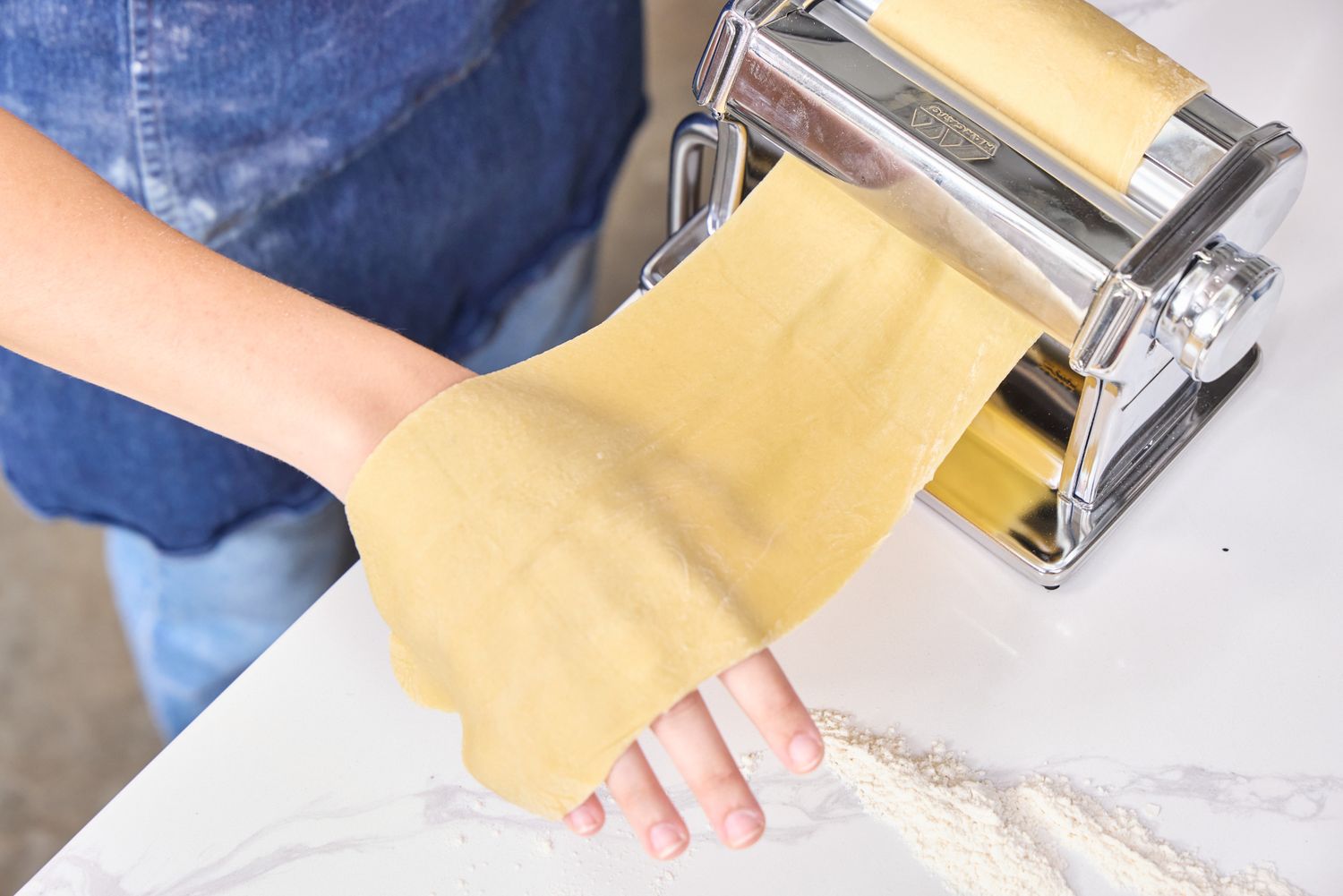
These are the classic workhorses of homemade pasta. Operated by a hand crank, they typically clamp securely to your countertop. You feed flattened dough through a pair of adjustable rollers, gradually decreasing the thickness setting until you achieve perfectly thin sheets. Many models come with interchangeable cutters for popular shapes like fettuccine and spaghetti. They are perfect for those who enjoy a hands-on, traditional approach and are ideal for creating flat sheets for lasagna, ravioli, or wide pappardelle. The renowned Marcato Atlas 150 and Imperia Pasta Maker are prime examples of these durable, reliable machines.
Electric Roller Machines
For those who love the precision of roller machines but prefer a little less elbow grease, electric roller machines are a fantastic choice. These are essentially manual roller machines with a motor that automates the rolling process. They often come as stand-alone units or as convenient attachments for popular stand mixers, such as the KitchenAid pasta roller attachment. They offer the same excellent sheet-making capabilities as their manual counterparts, with the added benefit of speed and consistent operation.
Electric Extruder Machines
If you dream of crafting a wider variety of pasta shapes with minimal effort, an electric extruder machine might be your perfect match. These all-in-one marvels often mix, knead, and then push the dough through various dies (shaping discs) to create an array of pasta forms, from spaghetti and fettuccine to tubular shapes like penne, rigatoni, and even fusilli. Brands like Philips offer models that can produce fresh pasta in minutes. These machines typically work best with dough recipes specifically designed for extrusion, often semolina-based, which have a firmer texture that holds intricate shapes beautifully.
Stand Mixer Attachments
Many popular stand mixers, like the KitchenAid, offer specialized pasta maker attachments. These can be roller and cutter sets, functioning similarly to manual roller machines but powered by your mixer, or extrusion presses that mimic electric extruder machines. They’re a space-saving solution for those who already own a stand mixer and want to expand its culinary capabilities.
Why a Pasta Maker is Your Kitchen’s Next Must-Have
Why go to the “trouble” of making pasta from scratch when store shelves are overflowing with options? The answer lies in an experience that transcends convenience, delivering unmatched quality and joy.
Unmatched Freshness and Flavor
The difference between homemade fresh pasta and dried store-bought pasta is like night and day. Fresh pasta boasts a delicate texture and a richer, more nuanced flavor that simply can’t be replicated. It cooks faster, absorbs sauces more effectively, and has a springy, “al dente” bite that elevates any dish. As renowned chef Isabella Rossi often says, “Fresh pasta isn’t just an ingredient; it’s the heart of the meal, singing with the vibrancy of simple, honest flavors.”
Control Over Ingredients
With a pasta maker, you are the master of your ingredients. Choose organic flours, experiment with different types of wheat, or even infuse your dough with vegetables like spinach or beet for vibrant colors and added nutrients. This control means healthier meals, catering to dietary needs, and a personalized culinary touch that’s impossible with mass-produced options.
A Creative Culinary Adventure
A pasta maker opens up a world of culinary creativity. You can experiment with different flours (durum, ’00’ flour, whole wheat), various egg-to-flour ratios, and a rainbow of natural colorings. Beyond traditional shapes, you can create unique stuffed pastas or custom designs, turning every meal into an exciting new adventure.
The Joy of Making It Yourself
There’s a deep satisfaction that comes from transforming basic ingredients into something extraordinary with your own hands (or with a little help from your machine). It’s a therapeutic process, a connection to generations of cooks, and a wonderful way to involve family in the kitchen. The pride of serving homemade pasta, warm and fragrant, is a reward in itself.
Mastering Your Machine: A Step-by-Step Guide to Using a Pasta Maker
Using a pasta maker might seem daunting at first glance, but it’s an incredibly rewarding process that quickly becomes intuitive. Here’s how to get started:
Preparing Your Dough
The foundation of great pasta is great dough. For roller machines, an egg-enriched dough (flour, eggs, a pinch of salt, sometimes a touch of olive oil) is traditional and yields pliable, silky sheets. For extruder machines, a slightly firmer dough, often made with semolina flour and water, works best to hold complex shapes. Ensure your dough is smooth and elastic after kneading, then let it rest for at least 30 minutes (or up to an hour) wrapped in plastic wrap. This resting period allows the gluten to relax, making the dough easier to roll.
Setting Up Your Machine
Whether manual or electric, ensure your pasta maker is securely clamped to a sturdy surface or, for attachments, correctly fitted onto your stand mixer. Have extra flour nearby for dusting.
Rolling the Dough: Laminating for Perfection
- Divide and Flatten: Cut your rested dough into manageable pieces, roughly the size of a small orange. Flatten each piece slightly with your hands or a rolling pin. Keep unused dough covered to prevent it from drying out.
- Widest Setting: Set your pasta roller to its widest setting (usually ‘0’ or ‘1’). Feed one piece of dough through the rollers while turning the crank (or letting the motor run). Catch the sheet as it emerges.
- Fold and Repeat (Laminating): Gently fold the dough sheet into thirds, like a letter. Rotate it 90 degrees and feed it through the widest setting again. Repeat this folding and rolling process 5-8 times. This laminating step is crucial; it kneads the dough further, develops the gluten, and creates that incredibly smooth, silken texture you want. Dust lightly with flour if the dough becomes sticky.
Achieving the Perfect Thickness
After laminating, continue rolling the dough, gradually decreasing the thickness setting one notch at a time. Pass the dough through each setting once or twice, dusting with flour as needed, until you reach your desired thinness. For delicate tagliatelle or ravioli, you might go to a thinner setting (e.g., ‘6’ or ‘7’ on an Atlas 150), while heartier lasagna sheets might be thicker (e.g., ‘4’ or ‘5’).
Cutting Your Noodles
Once your sheets are at the perfect thickness, it’s time to cut.
- Attach Cutter: Swap out the flat roller attachment for your chosen noodle cutter (spaghetti, fettuccine, etc.) or attach the appropriate die for extruders.
- Feed and Cut: Lightly dust your pasta sheets one last time. Feed them through the cutter, cranking steadily (or letting the machine extrude). For long noodles, catch them as they emerge, draping them over your hands or a pasta drying rack. For extruded pasta, use the built-in cutter or a knife to cut to your desired length.
- Prevent Sticking: Toss the freshly cut noodles lightly with semolina flour to prevent them from sticking together.
Drying and Cooking Your Fresh Pasta
Fresh pasta cooks much faster than dried. Cook it in a generous pot of well-salted boiling water for just 2-4 minutes, or until al dente. If not cooking immediately, you can dry fresh pasta on a rack for 20-30 minutes to firm up, or longer if you plan to store it. For longer storage, freeze it immediately after forming.
Keeping Your Pasta Maker Pristine: Cleaning and Maintenance Tips
A well-maintained pasta maker will be your kitchen companion for years. Proper cleaning is key to its longevity and performance.
- Never Submerge: Most pasta makers, especially manual ones, should never be submerged in water. This can cause rusting and damage internal mechanisms.
- Brush It Off: After each use, let any dough remnants dry on the machine. Once dry, use a stiff brush or a wooden skewer to gently scrape away any stuck-on flour or dough.
- Wipe Down: Use a damp cloth to wipe the exterior of the machine. Avoid harsh detergents.
- Clean Rollers/Cutters: For roller machines, run a small piece of stiff, non-toxic paper (like parchment paper) through the rollers and cutters to dislodge any residual dough.
- Extruder Specifics: For electric extruders, disassemble the dies and mixing components immediately after use and wash them with warm soapy water. Follow the manufacturer’s instructions for deep cleaning.
- Lubrication: Some manual machines may benefit from occasional light lubrication (using food-grade mineral oil) on moving parts, but always check your specific model’s manual.
- Storage: Store your pasta maker in a dry place to prevent rust, ideally in its original box or a cloth bag to protect it from dust.
Beyond Spaghetti: A World of Pasta Shapes You Can Create
Your pasta maker is a gateway to a dazzling array of pasta shapes, far beyond the familiar spaghetti.
- Flat Sheets: The basic function of any roller pasta maker is to create thin sheets. These are perfect for homemade lasagna, delicate cannelloni, or incredibly satisfying stuffed pastas like ravioli and tortellini. Imagine your own fresh ricotta and spinach ravioli, or a rich meat-filled tortellini!
- Long Noodles: With cutter attachments, you can easily produce a variety of long noodles:
- Fettuccine: Wider, flat ribbons, excellent with creamy sauces like Alfredo.
- Tagliatelle: Similar to fettuccine but slightly narrower, often paired with hearty meat sauces like Bolognese.
- Spaghetti: The classic round noodle, versatile with almost any sauce.
- Linguine: Slightly flattened spaghetti, ideal for seafood sauces.
- Tubular and Short Shapes (primarily with Extruders): Electric extruders truly shine here, allowing you to create:
- Penne: Diagonal-cut tubes, fantastic for capturing chunky sauces.
- Rigatoni: Large, ridged tubes, perfect for robust meat or vegetable sauces.
- Bucatini: Thick, hollow spaghetti, a fun twist on a classic.
- Fusilli: Corkscrew shapes, great for clinging to pesto or creamy sauces.
- Macaroni: Small, curved tubes, the star of mac and cheese.
Pairing Perfection: Sauce Recipes to Elevate Your Homemade Pasta
Homemade pasta deserves sauces that do it justice. Here are a few timeless combinations that truly sing:
- Simple Tomato Basil: The freshness of homemade pasta shines with a vibrant, uncooked tomato and fresh basil sauce. Light, bright, and utterly delicious.
- Creamy Alfredo: Rich, decadent, and oh-so-satisfying. Homemade fettuccine coated in a velvety sauce of butter, heavy cream, and Parmesan cheese is pure comfort.
- Rich Bolognese: A slow-simmered meat sauce, robust and full of flavor. It’s a perfect match for tagliatelle or pappardelle, where the broad noodles can scoop up every bit of the delicious ragu.
- Classic Pesto: The bright, herbaceous flavors of basil, pine nuts, garlic, Parmesan, and olive oil are incredible with spaghetti or fusilli, creating a quick yet sophisticated meal.
- Aglio e Olio: Sometimes the simplest sauces are the best. Garlic and olive oil, with a hint of red pepper flakes, create a deeply aromatic and satisfying dish that lets your fresh pasta be the star.
Frequently Asked Questions About Pasta Makers
How long does homemade pasta last?
Fresh homemade pasta can be stored in the refrigerator for 2-3 days, or frozen for up to 2-3 months. If freezing, arrange cut pasta in a single layer on a floured baking sheet and freeze until solid, then transfer to an airtight container or freezer bag. Cook from frozen, adding a minute or two to the cooking time.
Is a manual or electric pasta maker better?
Neither is inherently “better” – it depends on your preferences. Manual machines offer a traditional, hands-on experience and are often more affordable and compact. Electric machines, especially extruders, offer speed, convenience, and a wider variety of shapes with less physical effort. Many find manual roller machines to be excellent for beginners due to their simplicity and durability.
Can I make gluten-free pasta with a pasta maker?
Absolutely! While traditional pasta uses wheat flour, many gluten-free flour blends (rice flour, chickpea flour, cornstarch, xanthan gum) can be used successfully in pasta makers. The key is to find a good recipe specifically designed for gluten-free pasta dough, as the dough’s texture and elasticity will differ from wheat-based dough.
What’s the best flour for homemade pasta?
For classic Italian pasta, many chefs recommend “00” flour, a finely milled soft wheat flour that produces a very tender and silky pasta. Durum wheat semolina flour is also excellent, especially for extruded pasta, as it creates a firmer, chewier texture. For a good all-around option, a high-quality all-purpose flour can also yield delicious results.
How thick should pasta dough be?
The ideal thickness depends on the type of pasta you’re making. For delicate filled pastas like ravioli, or thin noodles like angel hair, you’ll go to one of the thinnest settings. For heartier fettuccine or lasagna sheets, a slightly thicker setting is preferred. Generally, aim for a thickness where the pasta is translucent enough to see your hand through it, but not so thin that it tears easily. Most machines have settings from 0 (thickest) to 9 (thinnest), and many recipes will guide you to a specific setting, often between 4 and 7.
Embrace the Joy of Homemade Pasta
A pasta maker is more than just another kitchen appliance; it’s a tool that brings a touch of Italian heritage, creativity, and incredible flavor to your home. It empowers you to craft meals that are not only delicious but also deeply satisfying, knowing every strand was made with care and fresh ingredients. So, take the leap, unlock your inner pastai, and let your pasta maker transform your culinary world. Get ready to impress your family and friends, and most importantly, treat yourself to the incomparable taste of perfectly homemade pasta. Buon appetito!