Imagine a plate of pasta so fresh, so tender, it melts in your mouth, perfectly coated in your favorite sauce. For many, this culinary dream feels out of reach, reserved only for Italian grandmothers or upscale restaurants. But what if I told you that with the right tools, particularly a versatile Pasta Maker Attachment, you could bring this authentic experience right into your own kitchen? These ingenious accessories transform your stand mixer into a powerhouse of pasta production, making homemade pasta not just possible, but incredibly enjoyable and surprisingly simple.
The Evolution of Pasta Making: From Hand-Rolled to High-Tech Attachments
For centuries, pasta making was an art perfected by hand, a labor of love involving rolling pins, strong arms, and plenty of flour-dusted surfaces. The invention of manual pasta machines brought a new level of efficiency, allowing home cooks to crank out sheets and simple cuts with greater ease. However, the true revolution for the modern kitchen came with the advent of the pasta maker attachment. These smart devices seamlessly integrate with your existing stand mixer, taking the physical strain out of kneading and rolling, and opening up a world of pasta shapes that would be challenging, if not impossible, to achieve manually. They bridge the gap between traditional craftsmanship and modern convenience, allowing you to focus on the joy of creation rather than the effort.
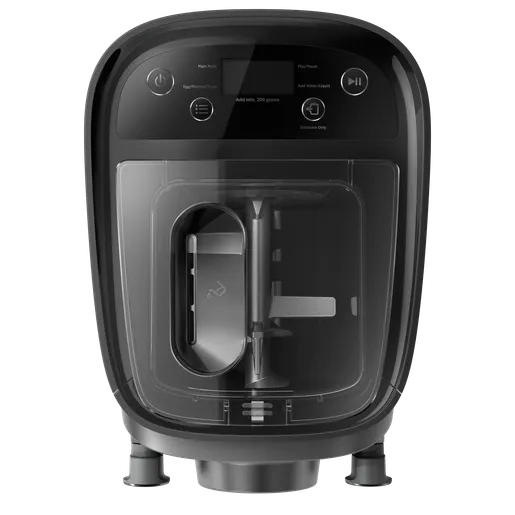
Unlocking Culinary Creativity: Types of Pasta Maker Attachments
The beauty of a pasta maker attachment lies in its specialized functions, each designed to craft specific types of pasta with precision. Understanding the different kinds will help you choose the perfect arsenal for your pasta-making adventures.
Roller Attachments
A pasta roller attachment is often the foundational piece for any homemade pasta enthusiast. It’s essentially a set of smooth, adjustable rollers that flatten dough into uniform sheets. Typically offering 8 to 9 thickness settings, from robust and thick for lasagna to incredibly delicate for tortellini, this attachment is where most pasta journeys begin. You feed your dough through the widest setting, then progressively narrow the gap, creating perfectly smooth and even pasta sheets. These sheets are the base for many classic pasta dishes, whether you’re hand-cutting them or moving on to another attachment.
- Expert Quote: “A good roller attachment is the foundation of any serious home pasta making setup. It ensures consistency, which is paramount for evenly cooked and delicious pasta.” – Isabella Rossi, Head Chef at “Trattoria del Sole.”
Cutter Attachments (Spaghetti, Fettuccine & More)
Once you have those beautiful pasta sheets from your roller, cutter attachments step in to transform them into familiar noodle shapes. The most common are the spaghetti and fettuccine cutters, which typically come as a set with the roller. Just feed your rolled pasta sheets through these, and voilà – perfectly uniform strands emerge. Beyond these classics, you can find cutters for capellini (angel hair), lasagnette (smaller lasagna noodles), and tagliolini (thinner than fettuccine), expanding your repertoire effortlessly.
Extruder Attachments
For those who dream of making hollow or more complex pasta shapes like bucatini, rigatoni, fusilli, or macaroni, an extruder attachment is a game-changer. Unlike rollers and cutters, which work with sheets, extruders push dough through specialized dies. The dough is fed into a hopper, and an auger (a screw-like mechanism) forces it through the die, creating perfectly formed pasta shapes. Many extruder sets come with multiple interchangeable dies, allowing you to create a wide variety of textured and hollow pasta that excels at catching and holding rich sauces.
Specialty Attachments
Beyond the core rollers and cutters, you can explore specialty attachments that cater to unique pasta forms. Ravioli maker attachments, for instance, help you create perfectly sealed, filled pasta pockets, often requiring pre-rolled sheets. While less common as stand mixer attachments, some systems also offer gnocchi boards or other specific tools to further diversify your pasta creations. These specialty tools truly elevate your pasta game, allowing you to tackle more intricate recipes with professional results.
Why Every Home Cook Needs a Pasta Maker Attachment
Investing in a pasta maker attachment for your stand mixer offers a multitude of benefits that extend far beyond simply making noodles. It’s about enhancing your culinary journey and enjoying food on a deeper level.
Time-Saving Efficiency
Let’s be honest, traditional hand-rolling can be time-consuming. A pasta maker attachment drastically cuts down on preparation time. Instead of spending precious minutes or even hours kneading and rolling dough by hand, your stand mixer does the heavy lifting. This efficiency means you can enjoy fresh pasta on a weeknight, not just for special occasions. Moreover, electric attachments free up both your hands, allowing you to guide the dough more easily and catch the emerging pasta strands without a juggling act.
Consistent, Restaurant-Quality Results
Achieving uniform thickness and consistent cuts is the hallmark of professional pasta, and something that’s difficult to replicate consistently by hand. A pasta maker attachment ensures precision with every batch. The adjustable settings on roller attachments guarantee perfectly even sheets, which in turn leads to uniform cooking. This consistency means no more soggy patches next to undercooked bits – just perfectly al dente pasta every single time, rivaling what you’d find in a fine Italian eatery.
Endless Culinary Versatility
With various types of pasta maker attachments, your culinary creativity knows no bounds. You’re not limited to just spaghetti and fettuccine; you can explore a vast array of shapes. Beyond shapes, you gain complete control over ingredients. Experiment with different flours like semolina, whole wheat, or even gluten-free alternatives. Infuse your dough with vibrant flavors and colors using spinach, beetroot, herbs, or squid ink. The possibilities are truly limitless, allowing you to tailor your pasta to any dish or dietary need.
A Healthier Choice
When you make pasta at home with an attachment, you control every single ingredient that goes into it. This means no artificial preservatives, additives, or unwanted chemicals often found in store-bought dried pasta. You can opt for organic flours, fresh eggs, and healthy additions, making your homemade pasta a wholesome and nutritious choice for your family. It’s a simple step towards a healthier lifestyle without sacrificing flavor.
The Joy of Creation
There’s a unique satisfaction that comes from creating something delicious from scratch. Using a pasta maker attachment transforms a chore into an enjoyable, almost meditative process. It’s a fantastic activity to share with family, especially kids, who will love watching the dough transform and helping to shape their dinner. The aroma of fresh pasta filling your kitchen and the taste of your own creation are incredibly rewarding experiences.
Space-Saving Design
Unlike bulky standalone pasta machines, most pasta maker attachments are designed to connect to your existing stand mixer. This means they don’t require their own dedicated counter space or storage, making them a practical choice for kitchens of all sizes. They simply plug into your mixer’s power hub, offering a compact and convenient solution for fresh pasta.
Getting Started: How to Use Your Pasta Maker Attachment
Using a pasta maker attachment might seem intimidating at first glance, but it’s a straightforward process once you get the hang of it.
Preparation is Key
Start with a well-made pasta dough. Most recipes call for a simple mix of flour, eggs, and a pinch of salt. After mixing, ensure your dough rests for at least 30 minutes, ideally wrapped in plastic, to allow the gluten to relax. This makes the dough easier to roll and prevents tearing. Always have a generous amount of flour (semolina flour is excellent for dusting) on hand to prevent sticking, both on your dough and the attachment itself.
Attaching to Your Stand Mixer
Most attachments are designed for easy installation. Simply locate the power hub on the front of your stand mixer, remove the cover, insert the attachment, and tighten the locking screw. Ensure it’s securely in place before you begin.
The Rolling Process
For roller attachments, begin with your mixer set to a low speed (usually speed 2) and the roller on its widest setting (typically ‘1’). Flatten a piece of dough slightly by hand, then feed it through the rollers. You’ll want to fold the dough in half and run it through the widest setting a few times initially; this acts as a sort of “extra kneading” and helps create a smooth, elastic sheet. Gradually decrease the thickness setting, running the dough through each setting once or twice, until you reach your desired thinness. Remember, don’t pull the pasta; let the machine do the work, gently guiding the dough.
Cutting Your Pasta
Once your pasta sheets are perfectly thin, it’s time to cut them. If using a cutter attachment, carefully remove the roller and replace it with your desired cutter (spaghetti, fettuccine, etc.). Keep the mixer on a low speed. Feed the pasta sheets through the cutter, and watch as beautiful, uniform noodles emerge. For extruder attachments, feed small balls of dough into the hopper, and the machine will press out the desired shape. As the pasta comes out, gently catch and cut it to your preferred length.
Drying and Cooking Fresh Pasta
As you make your pasta, lay the strands or shapes on a lightly floured surface or hang them on a drying rack to prevent sticking. Fresh pasta cooks much faster than dried pasta, often in just 2-4 minutes. Bring a large pot of salted water to a rolling boil, add your fresh pasta, and cook until al dente.
Keeping Your Attachment Pristine: Essential Care and Cleaning Tips
Proper care is crucial to ensure the longevity and performance of your pasta maker attachment. The most important rule to remember is about water.
The Golden Rule: No Water!
Unlike many other kitchen tools, most metal pasta maker attachments should never be immersed in water or washed in a dishwasher. The delicate internal mechanisms can rust, corrode, or become damaged by moisture and harsh detergents. This is a common misconception, but adhering to this rule is key to preserving your attachment.
Drying Time Is Your Friend
After using your attachment, detach it from the mixer and set it aside to air dry for at least an hour, or until any remaining dough bits are completely hardened. This makes them much easier to remove.
Brushing and Picking
Once the dough is dry, use the stiff-bristled cleaning brush that often comes with the attachment (or a clean, soft toothbrush) to gently brush off any dried pasta flakes or crumbs from the rollers, cutters, and exterior. For stubborn bits lodged in the gears or tight spaces, a wooden toothpick or a bamboo skewer can be very effective in dislodging them. Always work carefully to avoid damaging the delicate parts. Finish by wiping the entire attachment with a clean, dry cloth.
Lubrication and Storage
To keep your attachment running smoothly, consider applying a drop or two of food-grade mineral oil to the ends of the rollers or cutters once a year, or after about 50 uses. Store your clean, dry pasta maker attachment in its original box or a sealed container in a dry place to protect it from dust and humidity.
Beyond the Basics: Italian Pasta Varieties You Can Master
With your pasta maker attachment, the world of Italian pasta is yours to explore.
- Spaghetti & Fettuccine: These classic long strands are perfect for light tomato sauces, creamy Alfredo, or a simple aglio e olio.
- Lasagna Sheets: Create perfectly uniform sheets for layered casseroles, ensuring even baking and delightful texture.
- Bucatini & Rigatoni: The hollow centers and ridged surfaces of these pasta types are ideal for capturing robust, chunky sauces like a hearty ragu or a rich amatriciana.
- Fusilli: These delightful spirals are excellent with pesto, vegetable sauces, or baked dishes, as their shape holds onto flavor beautifully.
- Ravioli: With a ravioli attachment, you can craft delicate pockets filled with cheese, meat, or vegetables, then serve them with a simple butter and sage sauce or a light marinara.
“With the right attachment, your kitchen transforms into an Italian trattoria, ready to produce a symphony of pasta shapes, each begging for a perfect pairing.”
Perfect Pairings: Sauces to Complement Your Homemade Pasta
The magic of homemade pasta truly shines when paired with the right sauce. The shape and texture of your pasta play a crucial role in how it interacts with the sauce, creating a harmonious bite.
Light Sauces for Delicate Pasta
For delicate, thin strands like capellini or tagliolini, opt for lighter sauces that won’t overpower their subtle texture. A simple butter and sage sauce, a fresh tomato concassé, or a creamy garlic sauce allows the pasta to remain the star. These sauces cling gently to the fine noodles without weighing them down.
Hearty Ragu for Robust Shapes
Thicker, more robust pasta shapes such as fettuccine, pappardelle (from wide roller sheets), or rigatoni are perfectly suited for rich, hearty sauces. A slow-cooked Bolognese ragu, a robust wild mushroom sauce, or a flavorful sausage and fennel sauce will find its match in these substantial noodles, with their broad surfaces or hollow interiors ready to scoop up every morsel.
Creamy Sauces for Medium Pastas
Medium-sized pasta, like spaghetti or fusilli, offers great versatility. They pair wonderfully with creamy sauces such as classic carbonara, a vibrant pesto, or a creamy vodka sauce. Their moderate thickness and shape provide an ideal balance, ensuring the sauce coats well without being too heavy or too light.
FAQs About Pasta Maker Attachments
You’ve got questions, we’ve got answers! Here are some common queries about pasta maker attachments:
Q: Are pasta maker attachments worth the investment?
A: Absolutely! If you love fresh pasta, the time-saving, consistent results, and versatility offered by a pasta maker attachment make it a highly worthwhile investment for any home cook. It elevates your cooking and offers a healthier, more creative alternative to store-bought options.
Q: Can I use gluten-free flour with a pasta maker attachment?
A: Yes, many home cooks successfully use gluten-free flour blends with pasta maker attachments. The key is to find a reliable gluten-free pasta dough recipe and ensure the dough has the right consistency to pass through the rollers or extruder smoothly.
Q: How often should I clean my pasta maker attachment?
A: You should clean your pasta maker attachment after every use. Remember the golden rule: let any dough residue dry completely, then use a stiff brush and a dry cloth. Avoid water and dishwashers to prevent damage.
Q: What’s the difference between a roller and an extruder attachment?
A: A roller attachment flattens dough into wide, thin sheets of varying thicknesses. An extruder attachment pushes dough through shaped dies to create hollow pasta (like bucatini) or solid, intricate shapes (like fusilli or rigatoni). Rollers are often a prerequisite for cutter attachments, while extruders create shapes directly.
Q: Can third-party attachments be as good as brand-name ones?
A: Many third-party pasta maker attachments offer comparable performance to brand-name versions, often at a more accessible price point. It’s wise to read reviews and ensure compatibility with your specific stand mixer model. Some even offer innovative combined roller/cutter designs.
Q: How do I store homemade fresh pasta?
A: Fresh pasta can be cooked immediately. For storage, you can dry it for a few hours until brittle and then store it in an airtight container for several days, or freeze it for up to a month. For freezing, dust with flour and portion into nests or spread on a tray until frozen solid, then transfer to a freezer bag.
Conclusion: Elevate Your Pasta Game
Embracing a pasta maker attachment is more than just buying a kitchen gadget; it’s an invitation to a world of culinary exploration, creativity, and the undeniable pleasure of fresh, homemade pasta. From perfectly thin lasagna sheets to delicate spaghetti and robust rigatoni, these attachments empower you to craft authentic Italian dishes with ease and confidence. Say goodbye to store-bought mediocrity and hello to the vibrant flavors and satisfying textures of pasta made right in your own kitchen. So, unlock your stand mixer’s full potential, get ready to roll, cut, and extrude, and let the aroma of delicious homemade pasta fill your home. Your taste buds, and your family, will thank you.