Imagine a world where fresh, delectable pasta isn’t just a restaurant luxury but a delightful reality right in your own kitchen. For countless home chefs, the dream of crafting tagliatelle as tender as Nonna’s or bucatini with the perfect chew comes alive with a Pasta Maker Attachment For Kitchenaid Stand Mixers. These ingenious tools transform your beloved stand mixer into a versatile pasta factory, making the art of homemade pasta more accessible and enjoyable than ever before. If you’ve ever yearned to elevate your culinary game and impress your family and friends with authentic Italian flavors, then you’re about to discover your new favorite kitchen companion.
A Culinary Evolution: The Allure of Homemade Pasta
The tradition of pasta making spans centuries, a cornerstone of Italian cuisine celebrated for its simple ingredients and profound taste. Historically, this involved laborious kneading and hand-cranking, a true labor of love. While the romance of traditional methods remains, modern innovations have gracefully stepped in to make this culinary journey more approachable. The KitchenAid pasta maker attachment bridges this gap, respecting the heritage of pasta while embracing the convenience of contemporary kitchen technology. It empowers you to tap into that rich culinary past, effortlessly bringing the soul of Italian cooking into your modern home.
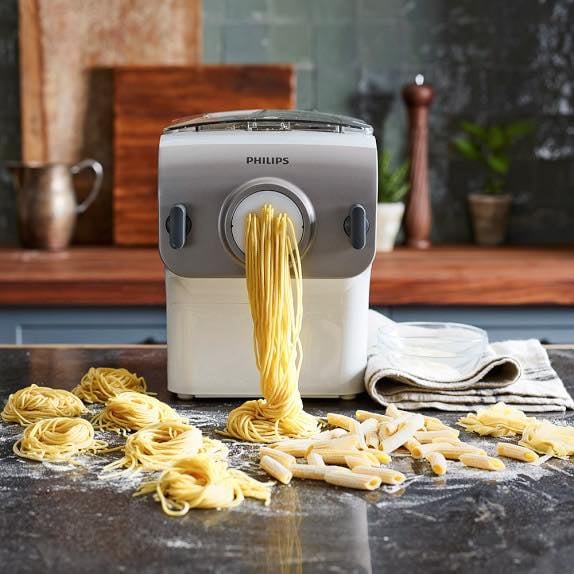
Diving Deep: Understanding Your KitchenAid Pasta Attachment Options
KitchenAid offers a fantastic range of pasta attachments, each designed to bring different pasta experiences to your countertop. The choice often comes down to the types of pasta you dream of creating.
The Classic Roller and Cutter Set: Sheets of Pure Potential
This is arguably the most popular KitchenAid pasta maker attachment, often coming in a 3-piece set that includes a pasta roller, a fettuccine cutter, and a spaghetti cutter. Some expansive sets might even include cutters for lasagnette and cappellini.
The magic starts with the pasta roller. Crafted from durable stainless steel, often with an authentic “Made in Italy” stamp, it attaches seamlessly to your mixer’s power hub. You feed your prepared dough through its adjustable rollers, gradually thinning it with seven different thickness settings until you achieve the perfect, translucent sheet. This hands-free operation is a game-changer, freeing your hands to guide the dough rather than wrestling with a manual crank. These perfectly rolled sheets are your canvas for creations like delicate ravioli, hearty lasagna noodles, or intricate tortellini – all cut by hand to your desire.
Once your sheets are prepped, you swap the roller for one of the specialized cutters. The fettuccine cutter effortlessly slices wide, flat ribbons, ideal for rich Alfredo or savory Bolognese. The spaghetti cutter produces thin, cylindrical strands, perfect for classic marinara or a simple aglio e olio. What truly sets these KitchenAid cutters apart is their precision; unlike many manual machines, they cut noodles cleanly and completely, eliminating frustrating perforations you’d typically have to separate by hand.
The Innovative Pasta Press (Extruder): For Bold, Textured Shapes
For those who crave tubular and spiral pasta varieties, the KitchenAid Pasta Press, often known by its model name KSMPEXTA, is the attachment of choice. This innovative extruder allows you to create shapes that simply aren’t possible with a roller-and-cutter system.
The Pasta Press attachment features a hopper where you feed walnut-sized chunks of pasta dough. An internal auger then applies steady pressure, forcing the dough through interchangeable pasta plates or “dies.” This single attachment typically comes with six different plates, enabling you to produce popular shapes like bucatini (thick, hollow spaghetti), rigatoni (large, ridged tubes), fusilli (spirals), and macaroni (small, curved tubes). A built-in wire cutter helps you trim the pasta to your desired length as it emerges, giving you control over consistency. This attachment shines when you want to explore the world of textured pasta that perfectly cradles chunky sauces.
Beyond the Box: Why Invest in a KitchenAid Pasta Maker Attachment?
The decision to add a pasta maker attachment for KitchenAid stand mixers to your culinary arsenal is an investment in flavor, convenience, and a more joyful cooking experience.
Unmatched Convenience and Efficiency
One of the most compelling reasons to choose a KitchenAid attachment is the sheer convenience. Your stand mixer does the heavy lifting, providing consistent power to roll or extrude the dough. This means no more tiring arm cramps from manual cranking and a significantly faster process overall. You can prepare large batches of pasta with remarkable ease, making homemade pasta a viable option even on busy weeknights, not just special occasions.
Superior Quality and Taste
Fresh pasta, made with simple, wholesome ingredients, has a taste and texture far superior to anything from a box. It boasts a tender, springy chewiness that truly elevates any dish. With a KitchenAid attachment, you gain complete control over your ingredients, allowing you to experiment with different flours (semolina, durum wheat, gluten-free options), incorporate vibrant colors from vegetables, or infuse subtle flavors with herbs. The consistent rolling and cutting/extruding capabilities of these attachments ensure a professional-grade result every time.
Durability and Design
KitchenAid attachments are renowned for their robust construction. The roller and cutter sets, often made of solid stainless steel, are heavy-duty and built to withstand years of regular use. The pasta press also features a durable design, with sturdy components that promise longevity. They integrate seamlessly with your KitchenAid stand mixer, locking firmly in place without wobbling, embodying the quality and reliability the brand is known for. While some older roller models might experience plastic parts cracking over extended use, the core stainless steel construction is designed for decades of performance.
A Gateway to Culinary Creativity
Owning a pasta maker attachment for KitchenAid stand mixers opens up a world of culinary exploration. Beyond the classic shapes, you can experiment with flavored doughs (spinach, beet, squid ink), create unique fillings for ravioli and tortellini, or craft custom pasta shapes. It’s an opportunity to engage with your food on a deeper level, transforming meal preparation into an exciting, creative endeavor.
Mastering Your Attachment: A Step-by-Step Guide to Fresh Pasta
Getting started with your KitchenAid pasta attachment is straightforward. With a little practice, you’ll be a pasta pro in no time!
Preparing Your Perfect Pasta Dough
The foundation of any great pasta is a well-made dough. A classic recipe includes just a few ingredients: 2 cups all-purpose flour (or a mix of all-purpose and semolina), 3 large eggs, 1 teaspoon olive oil, and a pinch of salt. For ultimate ease, your KitchenAid stand mixer can even handle the kneading with its dough hook, eliminating manual effort. Mix the ingredients on low speed until a shaggy dough forms, then increase speed and knead for about 5-7 minutes until the dough is smooth and elastic. Wrap it tightly and let it rest for at least 30 minutes at room temperature; this allows the gluten to relax, making the dough easier to work with.
Rolling and Cutting with Precision (for Roller Sets)
- Attach the Roller: Remove the power hub cover on the front of your KitchenAid mixer and insert the pasta roller attachment. Tighten the knob to secure it.
- Prepare the Dough: Divide your rested dough into four equal pieces. Flatten one piece into a rough rectangle with your hand.
- Initial Roll: Set the roller to its widest setting (usually ‘1’). Turn your mixer to speed 2. Feed the flattened dough through the rollers. Fold the dough in half, then feed it through again. Repeat this folding and rolling 2-3 times until the dough is smooth and uniform.
- Thinning the Sheets: Gradually decrease the roller setting, one number at a time (e.g., from 1 to 2, then 2 to 3, and so on), feeding the dough through each setting. Do not skip settings. For most pasta types like fettuccine or spaghetti, a setting of ‘5’ or ‘6’ is ideal. For very thin sheets for ravioli or cappellini, you might go to ‘7’ or ‘8’. Your instruction booklet will provide specific guidance for different pasta types.
- Cut the Sheets: Once your sheet is at the desired thickness, carefully remove the roller and attach your fettuccine or spaghetti cutter. Set the mixer to speed 2. Feed the pasta sheet through the cutter, guiding the emerging noodles with your hand. Cut the noodles to your preferred length (typically 8-12 inches) and place them on a lightly floured surface or a pasta drying rack.
Extruding Diverse Shapes with Ease (for Press Attachments)
- Assemble the Press: Attach the pasta press to your mixer’s power hub. Select your desired pasta plate (die) and insert it into the press, then secure the retaining ring.
- Prepare Dough Chunks: Your pasta dough for extrusion should be slightly firmer than dough for rolling. Cut your rested dough into walnut-sized pieces.
- Extrude Pasta: Set your mixer to speed 10. Feed the dough chunks into the hopper of the press, using the included food pusher to guide them gently. The dough will be pushed through the die, and your chosen pasta shape will begin to emerge.
- Cut to Length: Use the integrated wire cutter to slice the pasta strands or shapes to your desired length as they come out. Place them on a lightly floured surface.
Preserving Your Pasta-Making Power: Care and Cleaning Tips
Proper maintenance is key to the longevity of your pasta maker attachment for KitchenAid stand mixers.
- The Dry Dough Rule: Never submerge the roller and cutter attachments in water or put them in the dishwasher. Moisture can damage the internal mechanisms. Instead, let any leftover dough dry completely on the attachments (usually 1-2 hours).
- Brush it Clean: Once dry, use the included cleaning brush (or a stiff-bristled brush) to gently brush away all dried dough and flour. Wooden toothpicks can help dislodge stubborn bits from crevices.
- Pasta Press Cleaning: The pasta press attachment often has parts that are dishwasher-safe (check your manual). For non-dishwasher-safe components, allow dough to dry and then brush clean, using the specialized cleaning tool provided to clear out the dies.
- Proper Storage: Store your clean, dry attachments in their original boxes or a designated storage case to protect them from dust and damage.
From Pappardelle to Penne: The World of Pasta Awaits
With your KitchenAid pasta attachments, the array of dishes you can create is truly inspiring.
- Roller & Cutter Set: Master the classics like a rich Fettuccine Alfredo, a comforting Spaghetti Bolognese, or delicate Ravioli filled with ricotta and spinach. You can also make broad sheets for a bubbling Lasagna al Forno or elegant Pappardelle with a wild mushroom ragu.
- Pasta Press: Explore the heartier shapes perfect for robust sauces. Think Bucatini Amatriciana, Rigatoni with a spicy sausage ragu, or a fun Mac and Cheese with homemade macaroni. The spirals of Fusilli are excellent for capturing pesto or vibrant vegetable sauces.
Expert Insights: Tips from a Pasta Maestro
“Making homemade pasta isn’t just about the ingredients; it’s about the connection to tradition and the joy of creation,” shares Chef Sofia Bianchi, a renowned Italian culinary expert. “The KitchenAid pasta attachments are truly revolutionary. They empower home cooks to achieve professional results without the strenuous effort, making fresh pasta a regular, delightful part of their kitchen repertoire. My top tip? Don’t be afraid to experiment with your dough – a little extra egg yolk can make for an incredibly tender pasta, while a touch of semolina adds a wonderful chewiness.”
Frequently Asked Questions About KitchenAid Pasta Attachments
Q1: Are KitchenAid pasta attachments worth the investment?
Absolutely! For anyone who frequently enjoys pasta and owns a KitchenAid stand mixer, these attachments are a worthwhile investment. They save significant time and effort compared to manual machines, consistently producing high-quality, fresh pasta that far surpasses store-bought varieties.
Q2: What’s the difference between the roller and press attachments?
The roller attachment flattens dough into sheets for flat noodles (like fettuccine and spaghetti) or for hand-cut shapes (like ravioli). The pasta press (extruder) forces dough through dies to create tubular and spiral shapes like bucatini, rigatoni, and fusilli.
Q3: How do I clean my KitchenAid pasta maker attachments?
For roller and cutter attachments, let any dough dry completely, then brush off all residue with the included cleaning brush. Do not use water. For the pasta press, many parts are often dishwasher-safe, but always refer to your specific model’s manual for detailed cleaning instructions.
Q4: Can I make gluten-free pasta with these attachments?
Yes, you can! Many users successfully make gluten-free pasta with their KitchenAid attachments using appropriate gluten-free flour blends. You might need to adjust the dough’s hydration slightly to achieve the correct consistency for rolling or extruding.
Q5: How long does homemade pasta last?
Freshly made pasta can be cooked immediately. If you wish to store it, fresh pasta can be refrigerated in an airtight container for 2-3 days or frozen for up to 1-2 months. Dried pasta, on the other hand, can last for several weeks or months in a cool, dry place.
The Journey to Perfect Pasta Starts Here
Embracing a pasta maker attachment for KitchenAid stand mixers is more than just buying a kitchen gadget; it’s an invitation to a world of rich flavors, creative exploration, and the simple joy of cooking from scratch. From the satisfying thrum of your mixer transforming humble ingredients into silken sheets, to the fragrant steam of your perfectly cooked pasta, every step is a rewarding experience. So go ahead, unleash your inner Italian chef, and discover the unparalleled taste and texture of truly homemade pasta. Your taste buds, and those of your loved ones, will thank you.