Imagine a world where fresh, delectable pasta is not a luxury reserved for Italian trattorias but a delightful reality in your own kitchen. For home cooks and culinary enthusiasts alike, the KitchenAid pasta maker attachments transform your beloved stand mixer into a powerhouse for creating authentic, homemade pasta with remarkable ease. Gone are the days of tedious hand-cranking; your KitchenAid stand mixer is ready to unlock a new level of culinary creativity.
Why a KitchenAid Pasta Maker is a Game-Changer for Your Kitchen
Bringing fresh pasta to your table might seem daunting, but the KitchenAid pasta maker system simplifies the entire process, making it accessible and enjoyable. It’s more than just a convenience; it’s an elevation of your home cooking.
The Craft of Homemade Pasta, Simplified
The most compelling reason to invest in KitchenAid pasta attachments is the sheer ease and consistency they bring to pasta making. Leveraging the robust motor of your stand mixer, these attachments perform the laborious tasks of rolling and cutting with precision. This frees you to focus on perfecting your dough and enjoying the process. The result? Pasta with a superior taste and texture that simply can’t be matched by store-bought, dried varieties. Plus, it’s a wonderfully engaging activity, perfect for family time or a relaxing culinary pursuit.
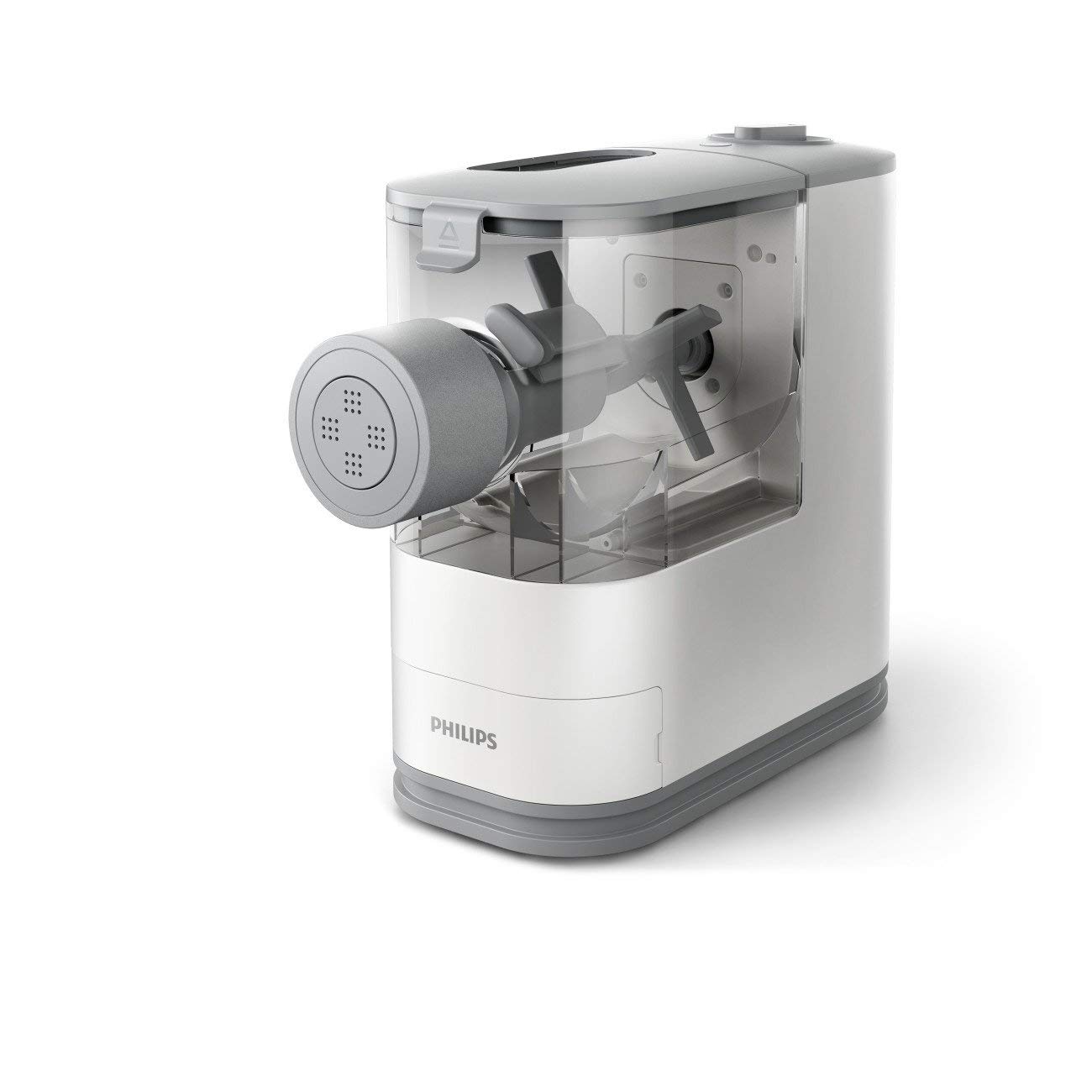
Built to Last: Quality and Durability
KitchenAid is synonymous with quality, and their pasta attachments are no exception. Many of the roller and cutter sets boast durable, solid stainless steel construction, ensuring they withstand the test of time and countless batches of pasta. Some of these exceptional attachments are even crafted in Italy, reflecting a commitment to authentic pasta-making traditions. This robust build means you’re investing in a tool that will be a reliable kitchen companion for years to come.
Unveiling the KitchenAid Pasta Maker Family: Attachments Explored
KitchenAid offers a versatile range of pasta attachments, each designed for specific pasta-making needs. Understanding the differences will help you choose the perfect tools to expand your culinary repertoire.
The Essential Pasta Roller Attachment
The pasta roller is the foundational piece for any homemade pasta enthusiast. This attachment connects to your KitchenAid stand mixer and effortlessly rolls out uniform sheets of pasta dough. It typically features eight adjustable thickness settings, allowing you to achieve the perfect thinness for various pasta types. From delicate ravioli and hearty lasagna sheets to pliable tortellini wrappers, this roller is indispensable.
“Using the KitchenAid pasta roller is like having an extra pair of expert hands in the kitchen,” says Chef Isabella Rossi, a renowned Italian culinary instructor. “It takes the effort out of rolling, letting you focus on the art of pasta making.”
Precision Cutting: Fettuccine and Spaghetti Attachments
Once you’ve rolled your pasta sheets to perfection, the cutter attachments step in to transform them into classic noodle shapes. The most popular set includes a fettuccine cutter and a spaghetti cutter. These attachments effortlessly slice your rolled dough into thin, flat fettuccine strands or traditional spaghetti noodles. While some sources note KitchenAid’s spaghetti is more like a thinner fettuccine than a tubular shape, the convenience and consistent results are undeniable. You can also find separate cutters for shapes like cappellini (angel hair) and lasagnette for even more variety.
The Innovative Gourmet Pasta Press Attachment
For those craving more unique and extruded pasta shapes, the Gourmet Pasta Press attachment is a marvel. This attachment pushes pasta dough through various dies, allowing you to create shapes like bucatini, rigatoni, fusilli, and even large or small macaroni. It comes with multiple interchangeable discs to diversify your pasta creations. While it offers an impressive range of shapes, some users find the pasta press can be a bit more finicky with dough consistency and potentially more challenging to clean thoroughly, particularly if wet dough gets lodged in its mechanisms. It’s also worth noting that older stand mixer models might experience more strain when using the press at higher speeds.
Don’t Forget the Drying Rack
Once your fresh pasta is formed, a pasta drying rack is a simple yet essential accessory. It allows your noodles to air-dry evenly, preventing them from sticking together and helping them hold their shape during cooking and storage.
How to Master Your KitchenAid Pasta Maker: A Step-by-Step Guide
Making fresh pasta with your KitchenAid pasta maker attachments is a rewarding experience. Here’s a general workflow to guide you:
Step 1: Crafting Your Perfect Pasta Dough
Start by mixing your dough directly in your KitchenAid stand mixer. A basic recipe typically calls for flour, eggs, and a pinch of salt. Use the flat beater attachment initially to combine ingredients, then switch to the dough hook to knead the dough until it’s smooth, elastic, and no longer sticky. This process usually takes just a few minutes, thanks to the mixer’s power. Wrap the dough and let it rest for at least 30 minutes.
Step 2: Rolling and Shaping with Precision
- Attach the Roller: Secure the pasta roller attachment to your stand mixer’s power hub.
- Initial Rolling: Divide your dough into manageable portions and flatten each piece slightly by hand. Set the roller to its widest setting (usually ‘1’). With the mixer on a low speed (typically speed ‘2’), feed the dough through. Fold the dough in half and repeat this step several times until the dough is smooth and pliable, dusting lightly with flour if needed.
- Thinning the Sheets: Gradually increase the roller setting, feeding the dough through each progressively thinner setting without folding, until you reach your desired thickness. For most common pastas like fettuccine or spaghetti, settings 4 or 5 are ideal, while angel hair might require setting 7 or 8.
- Cutting or Pressing: Once your sheets are rolled, remove the pasta roller and attach your desired cutter or the pasta press. Feed the pasta sheets through the cutter to create noodles or feed small balls of dough into the press to extrude specialty shapes. Use the built-in wire cutter on the press to control noodle length.
Step 3: Drying and Cooking Fresh Pasta
Gently place your newly formed pasta on a drying rack for about 15-30 minutes. This brief drying period helps prevent sticking. When ready to cook, bring a large pot of generously salted water to a rolling boil. Fresh pasta cooks incredibly fast, often in as little as 1 to 3 minutes. Stir immediately after adding to prevent sticking and cook until perfectly al dente—tender yet firm to the bite.
Care and Maintenance for Your KitchenAid Pasta Maker
Proper care ensures your KitchenAid pasta maker attachments remain in excellent condition for years of delicious pasta making.
Cleaning Tips for Longevity
The golden rule for cleaning pasta attachments is to let any dough residue dry completely. Once dry, flour and dough flakes can be easily brushed off with a small cleaning brush or toothpick. Avoid using water or putting the attachments in the dishwasher, as moisture can damage the internal mechanisms and stainless steel components, leading to rusting or gumming up. For the pasta press, allow dough in the dies to dry thoroughly, then use the provided cleaning tool to remove it.
Proper Storage
Store your attachments in a dry place, preferably in their original packaging or a dedicated storage case, to protect them from dust and moisture.
Elevate Your Culinary Creations: Pasta Types and Sauce Pairings
With your KitchenAid pasta maker, a world of authentic Italian cuisine opens up.
Classic Pasta Shapes You Can Make
The versatility of the KitchenAid attachments allows you to craft a wide array of pasta shapes:
- Fettuccine: Wide, flat noodles perfect for rich cream sauces like Alfredo.
- Spaghetti: Classic round strands, ideal for marinara or carbonara.
- Lasagna Sheets: Broad, thin sheets for layering in baked dishes.
- Ravioli & Tortellini: Hand-cut from rolled sheets, filled with savory mixtures.
- Bucatini: Thick, hollow spaghetti-like tubes that capture sauce beautifully.
- Rigatoni: Large, ridged tubes that are excellent with chunky meat sauces.
- Fusilli: Corkscrew shapes that pair well with pesto or lighter sauces.
Sauces to Complement Your Fresh Pasta
Fresh pasta shines with simple, high-quality sauces.
- Aglio e Olio: Garlic and olive oil, a quick and flavorful classic.
- Pesto: Fresh basil, pine nuts, Parmesan, garlic, and olive oil – vibrant and aromatic.
- Marinara: A simple, fresh tomato sauce that lets the pasta’s flavor take center stage.
- Cacio e Pepe: Cheese and black pepper, a Roman staple that’s surprisingly complex.
- Ragu: A slow-simmered meat sauce, perfect for heartier noodles like tagliatelle (which you can hand-cut from roller sheets) or rigatoni.
Frequently Asked Questions About KitchenAid Pasta Maker Attachments
Q1: Is a KitchenAid pasta maker worth it?
A KitchenAid pasta maker attachment is absolutely worth it for anyone who loves fresh pasta. It offers unparalleled convenience, consistent results, and superior taste compared to dried pasta, making homemade pasta an accessible and enjoyable culinary endeavor.
Q2: What is the difference between the roller and the press?
The pasta roller creates flat sheets of dough with adjustable thickness for shapes like lasagna, ravioli, or for cutting into fettuccine and spaghetti. The pasta press is an extruder that pushes dough through dies to create hollow or specialty shapes such as bucatini, rigatoni, and fusilli.
Q3: How do I clean my KitchenAid pasta maker attachments?
To clean, allow any leftover dough to dry completely on the attachments. Once dry, use a small brush or toothpick to dislodge and remove the hardened flour and dough. Avoid using water or washing them in the dishwasher to prevent damage.
Q4: Can I make gluten-free pasta with these attachments?
Yes, you can make gluten-free pasta with KitchenAid attachments. However, gluten-free doughs often have a different consistency than traditional wheat-based doughs, so you may need to adjust your recipe and hydration levels to achieve optimal results with the roller or press.
Q5: How long does fresh pasta last?
Freshly made pasta can be cooked immediately. If you plan to store it, allow it to dry slightly on a rack for 15-30 minutes, then refrigerate in an airtight container for up to 2-3 days, or freeze for up to one month.
Transform your kitchen into an authentic Italian pasta workshop with the KitchenAid pasta maker attachments. From the satisfying process of crafting your own dough to savoring the incredible taste of fresh noodles, these tools empower you to explore a world of culinary possibilities right at home. It’s an investment in flavor, fun, and unforgettable meals.