Imagine a plate of perfectly ridged penne, coated in a rich, vibrant sauce, each bite a testament to fresh ingredients and a labor of love. While store-bought penne has its place, nothing quite compares to the flavor and texture of homemade pasta. If you’ve been dreaming of elevating your pasta game, a dedicated Penne Pasta Maker is the tool you’ve been waiting for. It’s more than just an appliance; it’s an invitation to a delicious culinary adventure, transforming simple flour and water into exquisite pasta right in your own kitchen.
The Journey to Perfect Penne: A Brief History of Pasta Making
The story of pasta is as rich and winding as a strand of spaghetti, with roots deep in Italian culinary tradition. For centuries, pasta making was a manual art, passed down through generations. Families would gather, kneading dough by hand and meticulously shaping each piece. The invention of early pasta machines, often hand-cranked rollers, revolutionized the process, making it easier to produce consistent sheets of pasta.
However, creating intricate shapes like penne, with its distinctive tube and angled ends, remained a challenge until the advent of extrusion technology. This method, which forces dough through specially shaped dies, allowed for the mass production of a wider variety of pasta shapes. Today, modern penne pasta makers bring this sophisticated technology right into your home, blending tradition with convenience, allowing you to craft authentic penne with ease.
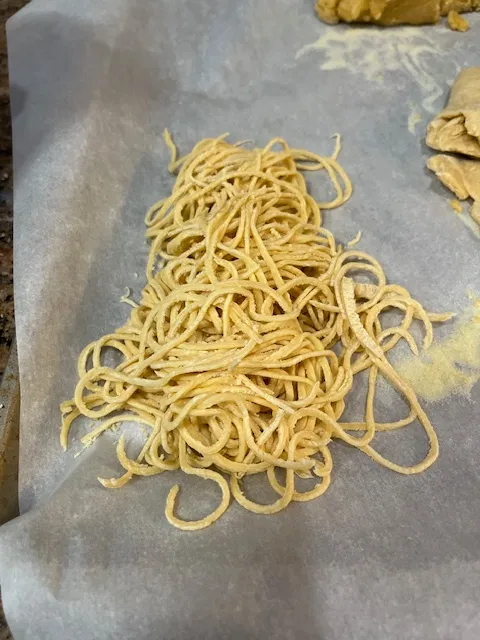
Why a Penne Pasta Maker is a Game Changer for Your Kitchen
Owning a penne pasta maker isn’t just about convenience; it’s about control, freshness, and an unparalleled culinary experience. When you make penne at home, you dictate the ingredients, ensuring no artificial additives or preservatives. This results in pasta that’s incredibly fresh, with a superior taste and texture that dried, boxed versions simply can’t match.
Fresh penne has a unique elasticity and a porous surface that eagerly clings to sauces, enhancing every dish. Beyond the sensory delight, there’s an immense satisfaction that comes from creating something so delicious from scratch. It’s a therapeutic process, a fun activity for the family, and a fantastic way to impress guests with gourmet-quality meals. A good penne pasta maker turns what might seem like a daunting task into an enjoyable and rewarding part of your cooking routine.
Decoding Penne Pasta Makers: Types and What to Look For
When considering a penne pasta maker, it’s essential to understand the different types available and how they cater to specific pasta shapes. Penne, being a tubular, extruded pasta, requires a different approach than flat sheet pasta.
Manual Roller Pasta Makers: The Traditionalist’s Choice (and its limitations for penne)
Manual pasta makers, like the classic Marcato Atlas 150 or Imperia machines, are staples in many kitchens. They excel at rolling out thin, even sheets of dough, perfect for lasagna, ravioli, fettuccine, and spaghetti (with included cutters). These hand-cranked beauties offer a hands-on experience and are incredibly durable.
However, traditional roller machines are generally not designed to produce hollow, ridged shapes like penne. While some may offer attachments, these are typically for cutting flat sheets into narrow strips, not for extruding complex shapes. If your primary goal is perfectly formed penne, a manual roller alone won’t suffice.
Electric Pasta Extruders: The Modern Penne Powerhouse
This is where the magic happens for penne lovers. Electric pasta extruders, such as those from Philips (Artisan Smart or Viva Collection), are specifically engineered to mix, knead, and extrude dough through various dies, creating a wide array of shapes, including the coveted penne.
These machines automate much of the process. You simply add your ingredients, and the machine does the rest – from mixing and kneading the dough to forcing it through specialized penne dies. Many models come with different dies for spaghetti, fettuccine, and, crucially, penne. The automatic nature of these machines makes fresh penne accessible even on busy weeknights, delivering consistent results with minimal effort.
Stand Mixer Attachments: Versatility for Your Existing Appliance
If you already own a robust stand mixer, a pasta maker attachment can be a space-saving and efficient option. KitchenAid, for example, offers both roller attachments and extruder attachments. For making penne, you’ll want an extruder-style pasta press attachment that comes with various dies, including one for penne. These attachments leverage the power of your stand mixer to mix the dough and then extrude it through the desired shape. They offer a good balance of convenience and versatility, making them a popular choice for home cooks looking to expand their pasta repertoire.
Unlocking the Flavor: How to Use Your Penne Pasta Maker for Authentic Results
Getting started with your penne pasta maker is simpler than you might think, especially with a few key tips for dough preparation.
The Essential Penne Dough Recipe
The secret to perfect extruded penne lies in the dough’s consistency. Unlike dough for rolled pasta, which should be soft and pliable, dough for extrusion needs to be drier and even crumbly. This prevents it from sticking in the machine and helps maintain the penne’s shape as it emerges.
Ingredients:
- 200g (about 1 ½ cups) Semolina flour (durum wheat semolina is preferred for its structure)
- 50g (about ½ cup) “00” flour (or all-purpose flour)
- 1 large egg
- Approx. 60-70ml (about ¼ cup) water (adjust based on humidity)
- ½ teaspoon salt
Step-by-Step Dough Preparation for Extrusion:
- Combine Dry Ingredients: In the bowl of your electric pasta maker or stand mixer, combine the semolina flour, “00” flour, and salt.
- Whisk Wet Ingredients: In a separate small bowl, whisk the egg and water together.
- Mix: Start your pasta maker or stand mixer on a low setting. Slowly drizzle the wet ingredients into the flour mixture.
- Observe and Adjust: The dough should come together in a crumbly, coarse mixture, resembling small pebbles. It should not form a smooth ball. If it seems too wet, add a tiny bit more flour (½ teaspoon at a time). If it’s too dry and not forming crumbs, add a few drops of water. The ideal consistency is just barely holding together when squeezed.
- Rest (Optional but Recommended): Once mixed, cover the dough and let it rest for 10-15 minutes. This allows the flour to fully hydrate, resulting in a more uniform pasta.
Extruding Your Penne: Tips for Success
- Attach the Penne Die: Ensure your chosen penne die is securely attached to your machine according to the manufacturer’s instructions.
- Load the Dough: For electric extruders, simply load the crumbly dough into the chamber. For stand mixer attachments, you might need to form the dough into small, walnut-sized balls and feed them into the hopper one by one.
- Start Extruding: Begin the extrusion process. The dough will be compressed and pushed through the penne die. The first few pieces might be imperfect; simply feed them back into the machine.
- Cut the Pasta: As the penne emerges, use the included cutter or a sharp knife to cut it to your desired length.
- Prevent Sticking: Arrange the freshly cut penne in a single layer on a lightly floured baking sheet or a pasta drying rack. Toss lightly with semolina flour to prevent sticking.
- Cook Immediately or Dry: Fresh penne cooks much faster than dried pasta, often in 2-4 minutes. Alternatively, you can dry the penne completely for later use by leaving it on a drying rack for several hours or overnight.
Maintaining Your Machine: Care and Cleaning for Longevity
Proper maintenance is key to ensuring your penne pasta maker remains a reliable kitchen companion for years to come.
- Immediate Cleaning is Best: The easiest time to clean your machine is right after use, before the dough dries and hardens.
- Disassemble and Scrape: Disassemble all removable parts, especially the dies. Use the small cleaning tools (often included) or a toothpick to carefully scrape out any dough stuck in the crevices of the penne die.
- Allow Dough to Dry: For stubborn bits of dough, sometimes it’s easier to let them air dry completely. Once dry, they often become brittle and can be easily brushed or flicked off.
- Avoid Submerging: Many pasta makers, especially manual ones, should not be fully submerged in water. Wipe the main body with a damp cloth. Some electric extruder parts and dies may be dishwasher safe, but always check your manual.
- Storage: Ensure all parts are completely dry before reassembling and storing your machine in a cool, dry place.
Beyond Penne: Other Pasta Shapes Your Machine Can Create
While the focus here is on penne, an extruder-style penne pasta maker is incredibly versatile. With different dies (often sold separately or included), you can expand your homemade pasta repertoire to include:
- Rigatoni: Similar to penne but larger and cut straight, not angled.
- Fusilli: Spiraled pasta perfect for capturing chunky sauces.
- Macaroni: Small, curved tubes, ideal for classic comfort dishes.
- Spaghetti: Long, thin strands.
- Fettuccine: Wider, flat ribbons.
This versatility makes your investment in a penne pasta maker even more worthwhile, allowing you to explore a world of fresh pasta.
Pairing Perfection: Delicious Sauce Recipes for Your Homemade Penne
Homemade penne deserves a sauce that complements its fresh flavor and textured surface. Here are a few classic pairings:
- Classic Tomato-Basil: A simple yet elegant choice. Sauté garlic in olive oil, add crushed San Marzano tomatoes, fresh basil, and simmer. The penne’s ridges are perfect for holding this rustic sauce.
- Creamy Alfredo: Rich and indulgent, Alfredo sauce (butter, heavy cream, Parmesan) coats each penne tube beautifully, creating a luxurious mouthfeel.
- Hearty Bolognese: A slow-cooked meat sauce, bursting with flavor, is a natural partner for penne. The hollow center of the pasta catches every savory morsel.
- Pesto Genovese: Fresh basil pesto, tossed with warm penne, offers a vibrant, aromatic experience.
Expert Insights: What a Pro Chef Says About Homemade Penne
“Making your own penne pasta is a game-changer,” says Chef Isabella Rossi, a renowned Italian culinary instructor. “The difference in flavor and texture between fresh, extruded penne and dried is night and day. Fresh penne has a beautiful bite and a porous surface that truly elevates any sauce. It connects you to the tradition, but with modern penne pasta makers, it’s surprisingly accessible for any home cook.”
Frequently Asked Questions About Penne Pasta Makers
What is the best type of pasta maker for penne?
Electric pasta extruders or stand mixer attachments with extrusion capabilities are generally best for making penne, as they can create the specific tubular shape. Roller machines are typically for flat pasta.
Can I use regular all-purpose flour for extruded penne?
While you can use all-purpose flour, a blend of semolina flour and “00” flour (or all-purpose) is highly recommended. Semolina provides the crucial structure needed for extruded pasta shapes like penne.
How do I clean my penne pasta maker’s dies?
It’s easiest to clean the dies immediately after use, before dough dries. Use the small cleaning tools provided or a toothpick to remove dough. Sometimes, letting stubborn dough dry completely makes it easier to brush off.
How long does homemade penne need to dry?
Fresh penne can be cooked immediately. If you wish to dry it for storage, it typically needs to air dry on a rack for several hours (4-24 hours), depending on humidity, until it is hard and brittle.
Is a penne pasta maker worth it?
For enthusiasts who regularly enjoy pasta, a penne pasta maker is absolutely worth it. It provides superior taste, customizable ingredients, and the satisfaction of homemade cooking.
What’s the difference between extruded and rolled pasta?
Rolled pasta (like lasagna sheets or fettuccine) is made by sheeting dough through rollers. Extruded pasta (like penne, rigatoni, or spaghetti) is made by forcing dough through a shaped die.
Can I make gluten-free penne with a pasta maker?
Yes, many electric pasta extruders can handle gluten-free flour blends. You might need to adjust the liquid ratio slightly to achieve the correct dough consistency for extrusion.
Embrace the Art of Homemade Penne
Stepping into the world of homemade pasta, especially with a dedicated penne pasta maker, is a rewarding culinary journey. From the tactile pleasure of preparing the dough to the joy of seeing perfectly formed penne emerge from your machine, every step is a testament to the simple beauty of fresh food. Embrace the convenience, savor the superior taste, and let your kitchen become the heart of authentic Italian flavors. With your penne pasta maker, a delicious, fresh penne dish is always just a short, enjoyable effort away.