Have you ever dreamt of serving freshly made, perfectly textured pasta to your family and friends, but found the idea of messy flour, sticky dough, and endless kneading daunting? If so, you’re not alone. Many aspiring home chefs shy away from homemade pasta, believing it’s a skill reserved for grandmothers and culinary school graduates. But what if there was a kitchen companion that could turn that dream into an everyday reality, making the process not just simple, but genuinely enjoyable? Enter the , a true game-changer in the world of home pasta production.
The journey of pasta making has evolved dramatically over centuries. From simple rolling pins and wooden boards in Italian households, the craft saw its first mechanical innovation with hand-cranked pasta machines in the 19th century. These early “pasta makers” mechanized the rolling and cutting process, significantly reducing labor. Fast forward to today, and we have sophisticated electric models that take automation to a whole new level, culminating in smart devices like the Philips Artisan, designed to bring authenticity and convenience right into your kitchen.
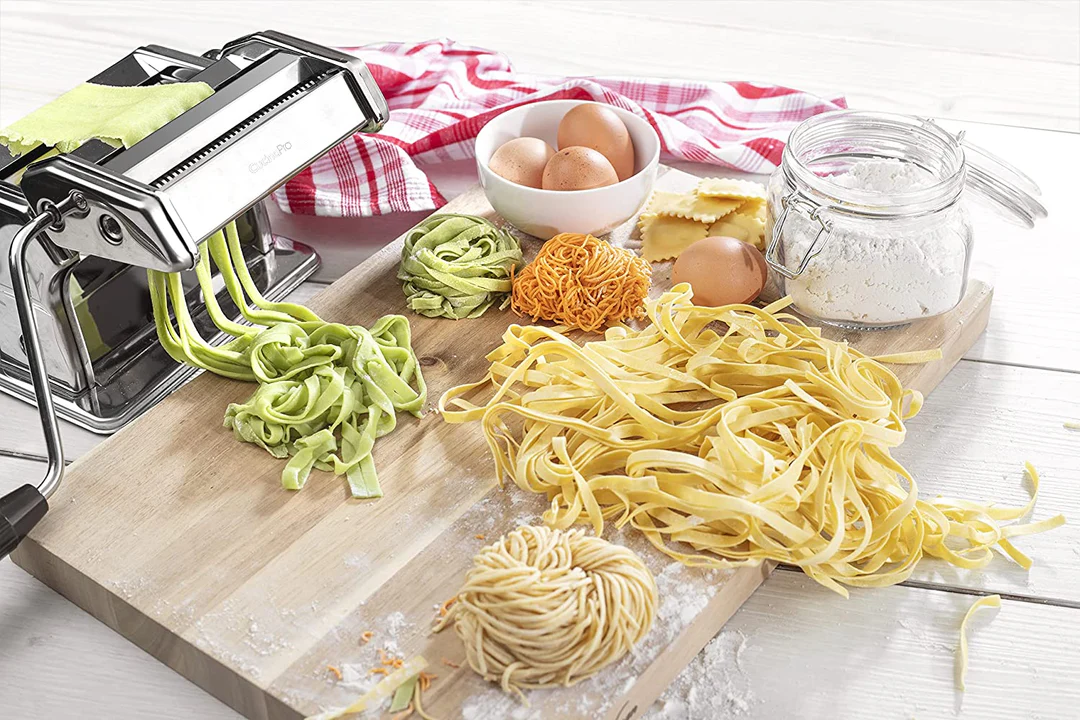
Exploring the World of Pasta Makers
Before we dive deep into the marvels of the Philips Artisan, let’s briefly look at the landscape of pasta makers. Each type offers a unique experience and caters to different needs:
- Manual Pasta Makers: These are the classic, hand-cranked machines. They typically feature rollers for flattening dough sheets and cutters for spaghetti and fettuccine. They offer a hands-on experience and are often more affordable, but require significant manual effort and a bit of practice to master the dough consistency.
- Electric Pasta Rollers: Similar to manual rollers, but powered by electricity, these machines automate the rolling process, saving your arms a workout. They still require you to feed the dough and change attachments for cutting.
- Electric Extrusion Pasta Makers: This is where machines like the Philips Artisan Smart Pasta & Noodle Maker shine. These innovative devices handle everything from mixing and kneading to extruding the pasta through various dies. They are largely automated, making them incredibly convenient and consistent, even for beginners.
- Stand Mixer Attachments: Some stand mixers offer pasta rolling and cutting attachments. While convenient if you already own a powerful mixer, they typically don’t offer the full extrusion capabilities of dedicated pasta makers.
The Philips Artisan Smart Pasta & Noodle Maker: A Culinary Revolution
Imagine a device that takes all the guesswork and mess out of making fresh pasta. The Philips Artisan Smart Pasta & Noodle Maker is precisely that. This innovative machine isn’t just an appliance; it’s a culinary partner that empowers you to create authentic, fresh pasta and noodles with unprecedented ease.
It boasts intelligent features that automatically weigh ingredients and calculate the ideal water-to-flour ratio, ensuring perfect dough consistency every single time. This “smart” capability removes a significant hurdle for many home cooks. With powerful extrusion technology, it can produce up to 8 portions of pasta in just 10 minutes. This speed means fresh pasta is no longer a weekend luxury but a midweek possibility. The machine comes with a variety of shaping discs, allowing you to create different pasta shapes like spaghetti, fettuccine, penne, lasagna, and even specialized noodle types. Its compact design and easy-to-clean components make it a practical addition to any kitchen. This isn’t just a pasta maker; it’s a commitment to culinary excellence, designed for those who appreciate quality food without compromising on convenience.
Why Every Home Kitchen Needs a Pasta Maker
Owning a pasta maker, especially a smart one like the Philips Artisan Smart Pasta & Noodle Maker, offers a multitude of benefits that extend beyond just convenience:
- Unrivaled Freshness and Flavor: There’s simply no comparison between store-bought dried pasta and fresh, homemade varieties. The texture, aroma, and taste of freshly extruded pasta are far superior, elevating any dish.
- Control Over Ingredients: When you make your own pasta, you know exactly what goes into it. You can choose organic flours, add nutritious vegetables like spinach or beetroot for colored pasta, or experiment with gluten-free alternatives. This is perfect for managing dietary needs and preferences.
- Cost-Effective in the Long Run: While the initial investment might seem significant, making pasta from scratch with basic ingredients like flour, eggs, and water is often more economical than regularly buying premium fresh pasta from the store.
- A Fun and Engaging Activity: Pasta making can be a wonderful activity for the whole family. Kids love to watch the pasta extrude and can even help with some steps, turning meal prep into a shared experience.
- Impress Your Guests: Serving homemade pasta is always a showstopper. It speaks volumes about your culinary dedication and offers a unique dining experience that will surely impress.
Getting Started: How to Use Your Philips Artisan Smart Pasta & Noodle Maker
Using the Philips Artisan Smart Pasta & Noodle Maker is surprisingly straightforward. Here’s a basic guide to making a classic egg pasta:
- Measure and Add Flour: Place the desired amount of flour (e.g., 200g, 400g) into the mixing chamber. The smart weighing function will automatically detect the quantity.
- Select Pasta Type: Choose your shaping disc and attach it to the machine. The machine might prompt you to select the pasta type for optimal mixing.
- Add Liquid: The machine will indicate the precise amount of liquid (water, water with eggs, or other liquids) to add. Slowly pour the liquid into the designated opening while the machine mixes.
- Mix and Knead: The Philips Artisan Smart Pasta & Noodle Maker will automatically mix and knead the dough until it reaches the perfect consistency.
- Extrude: Once kneading is complete, the machine will begin extruding fresh pasta through the shaping disc. Guide the pasta and cut it to your desired length as it comes out.
- Cook Immediately: Fresh pasta cooks much faster than dried pasta, usually in 2-4 minutes. Cook in a pot of generously salted boiling water until al dente.
“The beauty of modern pasta makers like the Philips Artisan is how they democratize fresh pasta. It’s no longer an intimidating task, but an accessible joy for anyone who loves good food,” says Chef Enzo Ferrari, a renowned Italian culinary expert.
Maintaining and Cleaning Your Pasta Maker for Longevity
To ensure your Philips Artisan Smart Pasta & Noodle Maker continues to perform at its best for years to come, proper cleaning and maintenance are key:
- Immediate Cleaning: The best time to clean is right after use, as dough residue is easier to remove before it dries.
- Disassemble: Unplug the machine and disassemble all removable parts: mixing chamber, shaping discs, kneading paddle, and lid.
- Soak and Scrub: Most parts are dishwasher safe, but for a thorough clean, soak them in warm, soapy water. Use a brush or sponge to remove any dough stuck in crevices or shaping disc holes. The included cleaning tool is invaluable for clearing the discs.
- Wipe Down the Base: Use a damp cloth to wipe the main unit. Never immerse the electrical base in water.
- Dry Thoroughly: Ensure all components are completely dry before reassembling or storing to prevent mold and unpleasant odors.
A World of Pasta Shapes Awaits
With your Philips Artisan Smart Pasta & Noodle Maker, you’re not just limited to spaghetti and fettuccine. Explore the vast world of Italian pasta shapes:
- Spaghetti: The classic long, thin strands, perfect with marinara or carbonara.
- Fettuccine: Wider, flatter ribbons, ideal for creamy sauces like Alfredo.
- Penne: Short, cylinder-shaped pasta with angled ends, great for holding chunky sauces.
- Lasagna Sheets: Wide, flat sheets for layering in baked dishes.
- Macaroni: Small, curved tubes, a staple for mac and cheese.
- Rigatoni: Large, ridged tubes that capture sauce beautifully.
- Noodles: With specific dies, you can also create Asian-style noodles for stir-fries and soups.
Pairing Perfection: Sauce Recipes for Your Homemade Pasta
What’s fresh pasta without a fantastic sauce? Here are a few ideas to get you started:
- Classic Tomato & Basil: A simple yet elegant sauce made with ripe tomatoes, fresh basil, garlic, and a touch of olive oil. It lets the fresh pasta shine.
- Creamy Mushroom and Thyme: Sautéed mixed mushrooms (cremini, shiitake) with garlic, white wine, vegetable broth, a splash of cream, and fresh thyme.
- Aglio e Olio (Garlic and Oil): A quick and flavorful sauce with thinly sliced garlic gently fried in olive oil, red pepper flakes, and fresh parsley.
- Pesto Genovese: A vibrant green sauce made from fresh basil, pine nuts, Parmesan cheese, garlic, and olive oil, traditionally pounded in a mortar and pestle but easily made in a food processor.
- Bolognese Ragu: A slow-cooked meat sauce with ground beef or pork, mirepoix (carrots, celery, onion), tomatoes, and a hint of red wine.
Frequently Asked Questions About Pasta Makers
1. How long does it take to make pasta with the Philips Artisan Smart Pasta & Noodle Maker?
It can produce up to 8 portions (around 400g) of fresh pasta in just about 10 minutes, from adding ingredients to extrusion.
2. Can I use different types of flour with my Philips Artisan Smart Pasta & Noodle Maker?
Yes, you can experiment with various flours like all-purpose, semolina, whole wheat, and even gluten-free flours. The smart weighing feature helps adjust liquid ratios for different flour types.
3. Is it difficult to clean the pasta maker, especially the shaping discs?
Not at all. The Philips Artisan Smart Pasta & Noodle Maker is designed for easy cleaning. Most detachable parts are dishwasher safe, and a specialized cleaning tool is included to quickly remove dough from the shaping discs.
4. Can I store homemade pasta made with the Philips Artisan for later?
Absolutely! Fresh pasta can be dried and stored for several weeks, or frozen for up to a month. For drying, lay it out on a drying rack or lightly floured surface. For freezing, dust with semolina flour and portion into freezer bags.
5. What makes the Philips Artisan “smart” compared to other electric pasta makers?
The “smart” aspect comes from its auto-weighing function that measures the flour and automatically calculates the optimal amount of liquid required, eliminating guesswork and ensuring perfect dough consistency every time.
Embrace the Art of Fresh Pasta
The Philips Artisan Smart Pasta & Noodle Maker isn’t just an appliance; it’s an invitation to rediscover the joy of cooking from scratch, to experiment with flavors, and to share truly special meals with those you care about. It transforms what was once considered a complex culinary art into an accessible, everyday pleasure. With its intelligent design, speed, and versatility, it empowers you to create fresh, delicious pasta and noodles that will undoubtedly elevate your home cooking. So, why wait? Take the plunge, unleash your inner pastaiolo, and let the Philips Artisan Smart Pasta & Noodle Maker guide you on a delicious journey to homemade perfection.