The aroma of freshly made pasta wafting through your home is a culinary dream for many, yet the traditional process can seem daunting. Enter the Philips Pasta Maker, a true game-changer designed to transform this intricate art into an effortless joy. It’s more than just a kitchen appliance; it’s your partner in creating wholesome, delicious pasta and noodles with remarkable speed and simplicity.
A Legacy of Innovation: The Philips Approach to Pasta Making
For centuries, pasta making was a labor of love, requiring meticulous kneading, rolling, and cutting. While the manual process holds a certain charm, it often acts as a barrier for busy home cooks yearning for fresh, authentic flavors. Philips recognized this need and stepped in with innovative solutions, aiming to democratize homemade pasta. Their pasta makers exemplify a commitment to blending traditional culinary values with modern convenience, taking the effort out of measuring, mixing, and kneading.
Philips has continuously refined its pasta maker technology, pushing the boundaries of what a home appliance can achieve. Their advanced designs, often seen in the esteemed 7000 Series and Avance Collection, showcase cutting-edge features like powerful extrusion forces and intuitive controls. The goal has always been clear: make fresh pasta accessible, fast, and foolproof for everyone.
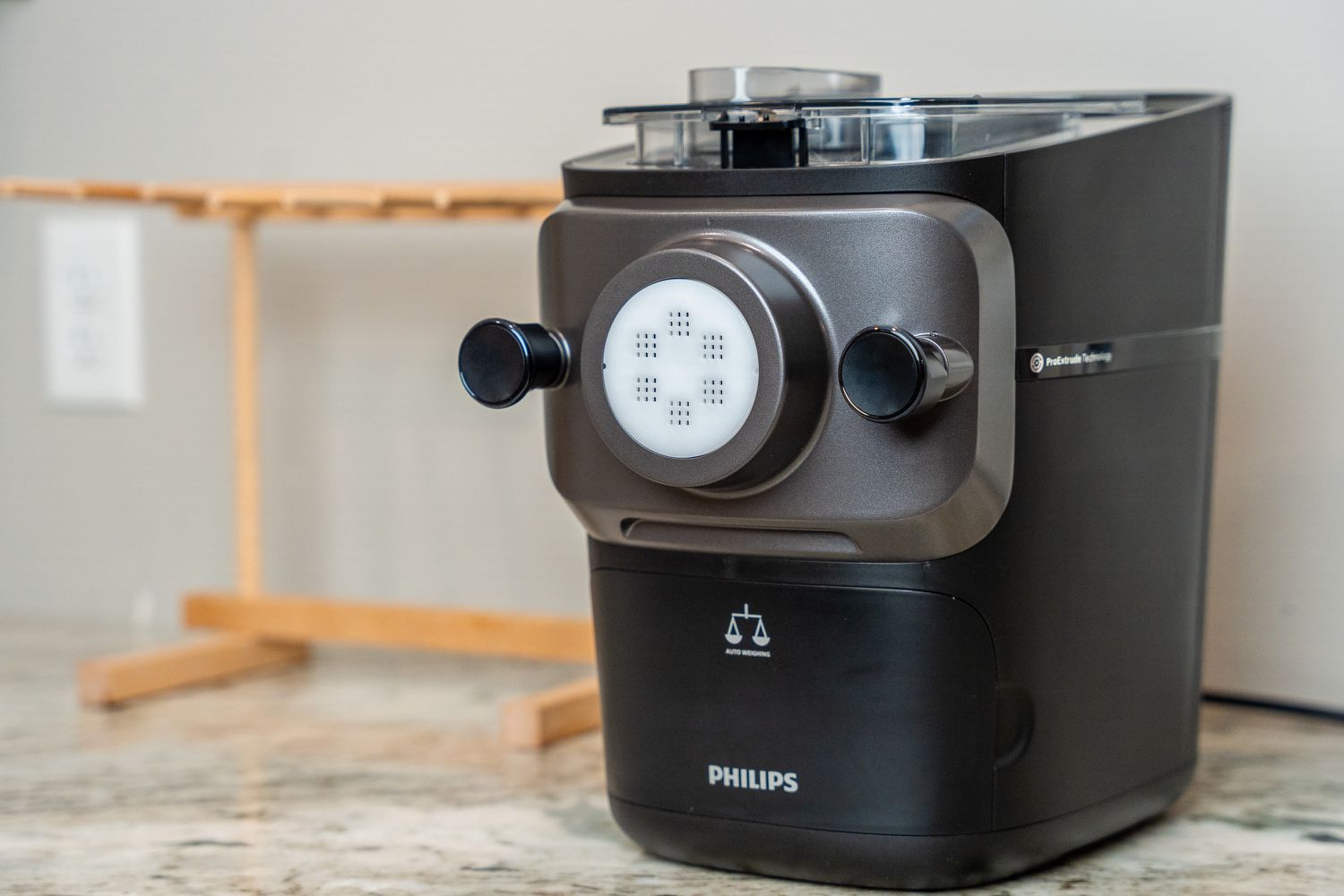
Unveiling the Philips Pasta Maker: Models and Distinctive Features
Philips offers a range of pasta makers, each designed to meet varying needs, but all upholding the core promise of easy, fresh pasta. The prominent 7000 Series, for instance, often features Philips’ innovative ProExtrude Technology, which applies a significant 1600lb of force to ensure consistent and high-quality pasta extrusion. This technology guarantees that your pasta comes out perfectly shaped every time, making short work of even tougher doughs.
Many Philips models, including some within the Avance Collection, boast fully automated processes. This means you simply add your ingredients, select your desired program, and the machine handles the mixing, kneading, and extruding. Some advanced versions even include an integrated scale, which intelligently weighs your flour and then indicates the precise amount of liquid needed, removing all guesswork from achieving the perfect dough consistency.
A standout feature across Philips Pasta Makers is the versatility offered by their shaping discs. Depending on the model, you might receive anywhere from 4 to 8 (or even 10 with accessory kits) different discs, allowing you to craft a wide array of pasta shapes. Imagine effortlessly making classic spaghetti, wide fettuccine, hollow penne, or even sheets for homemade lasagna. Beyond Italian staples, these machines can also produce various noodle types, perfect for Asian cuisines like ramen or pho, truly expanding your culinary horizons.
Why a Philips Pasta Maker Belongs in Your Kitchen
So, why should a Philips Pasta Maker find its place on your countertop? The reasons are as varied as the pasta shapes it creates:
Unmatched Speed and Convenience
Perhaps the most compelling argument is speed. Imagine fresh, homemade pasta on your plate in under 10 to 20 minutes from start to finish. This rapid turnaround time means you no longer have to reserve pasta making for special occasions; it becomes an everyday possibility, even on busy weeknights. The fully automated process liberates you from tedious manual labor, letting you focus on perfecting your sauce or spending quality time with family.
Customization and Health Benefits
Owning a Philips Pasta Maker gives you complete control over your ingredients. You can choose your preferred flours—from traditional semolina and all-purpose to gluten-free options like buckwheat, chickpea, or lentil flour—ensuring your pasta meets dietary needs or preferences. For those looking to sneak in extra nutrients, adding vegetable juices like spinach, carrot, or beetroot creates vibrant, healthy, and kid-friendly pasta packed with goodness. This level of customization is simply not possible with store-bought varieties.
A Joyful Culinary Experience
Beyond the practical benefits, there’s an undeniable joy in creating something from scratch. The Philips Pasta Maker makes this experience accessible and fun for the whole family. Kids love watching the dough transform and emerge as long strands of spaghetti or intricate penne. It’s an engaging activity that fosters a connection to food and can even inspire budding young chefs.
Consistency and Quality (with proper technique)
While critics might argue for the superior texture of hand-rolled pasta, Philips Pasta Makers consistently produce high-quality extruded pasta. The key lies in mastering the flour-to-liquid ratio, which ensures the dough has the right crumbly, almost dry consistency before extrusion. When done correctly, the result is pasta with a delightful bite and fresh flavor that far surpasses most dried, store-bought alternatives.
Mastering Your Philips Pasta Maker: A Step-by-Step Guide
Using your Philips Pasta Maker is designed to be straightforward, but a few tips can help you achieve perfect results every time.
Assembly and Preparation
Before you begin, ensure your machine is correctly assembled. This usually involves placing the mixing chamber, securing the kneading paddle, attaching your chosen shaping disc to the disc holder, and firmly fastening the front panel and lid. Philips provides detailed manuals, but the process is largely intuitive, often involving aligning markers and listening for clicks. Many models also feature a convenient storage drawer for your discs and cleaning tools.
The Magic Ratio: Flour and Liquid
This is perhaps the most crucial step for success. The ideal dough for a Philips Pasta Maker is a crumbly, almost dry mixture, akin to coarse breadcrumbs or shredded Parmesan cheese. It might not look like typical pasta dough, but this consistency is essential for proper extrusion.
- Measure Precisely: Always use a kitchen scale to measure your flour accurately. If your model has an integrated scale, utilize it.
- Liquid Ratios: Refer to your Philips recipe book or the machine’s display (if it has auto-weighing) for the exact liquid amount. This typically includes water, or a combination of egg and water, or vegetable juice. For whole-wheat flour, you might need a tiny bit more liquid.
- Slow Pour: Once the machine starts mixing, slowly pour the liquid into the designated slot on the lid. Don’t dump it all at once; a gradual addition helps achieve the desired crumbly texture.
The Automatic Process
Once the ingredients are added, the machine takes over. It mixes and kneads the dough for several minutes, then automatically switches to extrusion mode. The powerful motor pushes the dough through your chosen shaping disc, and fresh pasta emerges within minutes.
Cutting and Cooking
As the pasta extrudes, use the included cutting tool to snip it to your desired length. To prevent sticking, you can lightly dust the fresh pasta with flour as it comes out, especially if you’re making longer strands like spaghetti or fettuccine. Fresh pasta cooks remarkably fast—typically 3-5 minutes in boiling, salted water, or slightly longer for thicker shapes like penne. It’s a quick taste test away from perfection.
Beyond Basics: Exploring Pasta Shapes and Flavors
The Philips Pasta Maker unlocks a world of culinary creativity far beyond plain spaghetti.
Italian Pasta Classics
With the included shaping discs, you can effortlessly produce many beloved Italian pasta shapes. Imagine a hearty Sunday ragu clinging to perfectly formed rigatoni, or a delicate pesto coating slender tagliatelle. From robust pappardelle to elegant angel hair, the possibilities are vast.
Creative Twists
Don’t stop at traditional flour! Experiment with different grain flours for unique flavors and textures. Infuse your pasta dough with vibrant vegetable juices like beet for a striking red pasta, spinach for a rich green, or carrot for a sunny orange. Adding herbs like basil, parsley, or rosemary directly into the dough can elevate the aroma and taste profile of your dishes. The machine makes it easy to create visually stunning and flavorful pasta that will impress any diner.
Keeping Your Machine Pristine: Care and Maintenance
Proper care ensures your Philips Pasta Maker remains a beloved kitchen companion for years.
Disassembly and Cleaning
Most removable parts of the Philips Pasta Maker are dishwasher-safe, making cleanup relatively easy. However, some areas, especially the intricate shaping discs, might require a bit more attention.
- Remove Dough Leftovers: Before washing, gently remove any large dough remnants from the mixing chamber and paddle.
- Specialized Tools: Philips typically includes a cleaning tool, often with a pointed end or brush, specifically designed to push out dough from the small holes of the shaping discs.
- Freezing Tip: For stubborn dough stuck in the discs, some users find it helpful to freeze the discs for about 30 minutes to an hour; the hardened dough often pops out more easily.
- Drying: Ensure all parts are thoroughly dry before reassembling or storing to prevent mold and prolong the life of your machine.
Troubleshooting Common Issues
Even with a user-friendly appliance, occasional hiccups can occur.
- No Pasta Extruding / Dough Too Wet/Dry: This is almost always due to an incorrect flour-to-liquid ratio. Discard the dough, clean the machine, and re-start, carefully measuring ingredients. The dough should be crumbly, not a cohesive ball.
- Pasta Breaking Easily: Again, often a ratio issue. Ensure you’re using the right flour type for your recipe and the correct liquid amount.
- Machine Stops / Error Codes: Check the user manual for specific error codes (e.g., E1, E2). Common causes include the lid not being properly secured (a safety feature), too much flour, or the machine overheating from continuous use (it needs to cool down).
Expert Insights: Elevating Your Pasta Journey
“The Philips Pasta Maker isn’t just an appliance; it’s an invitation to rediscover the joy of homemade pasta, effortlessly bringing authentic flavors and endless creativity to your kitchen table.” – Chef Isabella Rossi, Culinary Innovator and Pasta Aficionado.
Frequently Asked Questions (FAQ)
How quickly can I make pasta with a Philips Pasta Maker?
Most Philips Pasta Makers can produce fresh, homemade pasta in as little as 10 to 20 minutes, from adding ingredients to extrusion, depending on the model and batch size.
What kind of flour can I use?
You can use a wide variety of flours, including all-purpose flour, semolina, whole-wheat, spelt, buckwheat, chickpea, and lentil flour. Always consult your machine’s recipe book for recommended ratios, especially for gluten-free or alternative flours.
Is it hard to clean?
No, Philips Pasta Makers are designed for easy cleaning. Most detachable parts are dishwasher-safe, and specialized cleaning tools are usually included to help remove dough from the shaping discs.
Can I make gluten-free pasta?
Absolutely! Philips Pasta Makers are excellent for gluten-free pasta using flours like buckwheat, chickpea, or lentil. You have full control over the ingredients to cater to dietary needs.
What if my dough is too sticky or too dry?
This is typically due to an incorrect flour-to-liquid ratio. The dough should be crumbly, not sticky or overly dry. If it’s too wet, the machine may struggle to extrude; if too dry, the pasta might break. Discard the dough, clean the machine, and retry with precise measurements.
Conclusion
The Philips Pasta Maker stands as a testament to how modern innovation can simplify and enrich our culinary lives. It transforms the often-intimidating task of making fresh pasta into an enjoyable and accessible experience, empowering you to create delicious, customizable, and healthy meals in mere minutes. Whether you’re a seasoned cook or a kitchen novice, embracing the Philips Pasta Maker means welcoming a world of fresh flavors, creative possibilities, and joyful moments into your home. So, go ahead, measure your flour, add your liquid, and let the magic unfold – your perfect pasta journey awaits!