There’s a special kind of magic that happens when you create something delicious from scratch, and few culinary endeavors are as satisfying as crafting your own fresh ravioli. Imagine the silky pasta yielding to a rich, flavorful filling, all bathed in a complementary sauce – a far cry from anything you’d find pre-packaged. To achieve this authentic Italian delight in your own kitchen, a quality Ravioli Pasta Maker is an indispensable tool. It transforms what might seem like a daunting task into an enjoyable and rewarding experience, opening up a world of culinary creativity.
The Heart of Italian Cuisine: Why Fresh Ravioli Reigns Supreme
Ravioli, those delightful pockets of pasta filled with everything from creamy ricotta to savory meats and vibrant vegetables, boast a history steeped in Italian tradition. Dating back centuries, these little parcels were a way to utilize seasonal ingredients and bring joy to the table. While store-bought options exist, they often pale in comparison to the vibrancy and texture of fresh, homemade ravioli. The difference is truly night and day, offering an unparalleled depth of flavor and a tender bite that only fresh pasta can deliver.
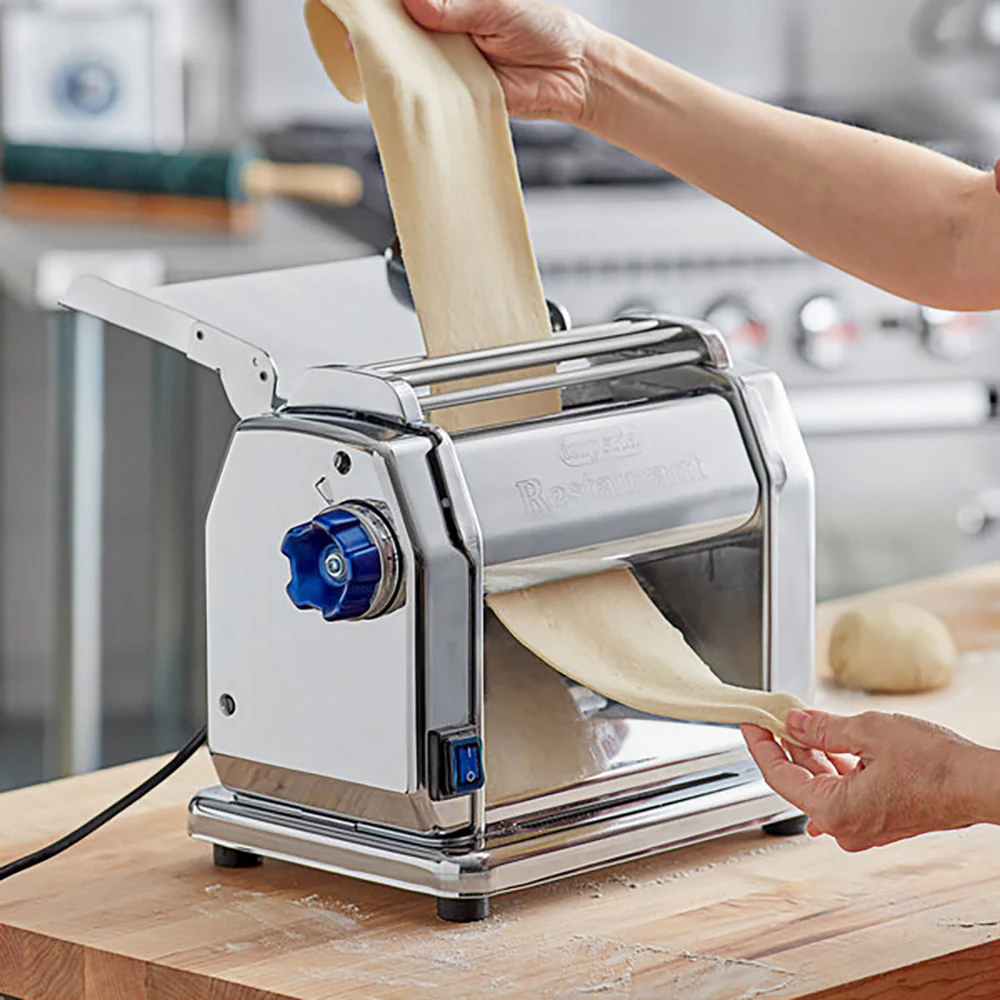
Unveiling Your Ideal Ravioli Pasta Maker: A Deep Dive into Types
Navigating the world of ravioli pasta makers can feel a bit like choosing the perfect pasta shape – there are so many fantastic options! Understanding the different types available will help you select the best tool for your culinary style and kitchen setup.
Manual Ravioli Trays & Presses
For those who appreciate simplicity and a hands-on approach, manual ravioli trays and presses are a fantastic starting point. These devices, often made from metal with a non-stick surface, feature a grid of cavities, typically for square ravioli. To use them, you lay a sheet of freshly rolled pasta over the tray, gently press to create indentations, spoon your chosen filling into each cavity, cover with another pasta sheet, and then use a rolling pin to seal and cut the individual ravioli. It’s an intuitive process that’s both inexpensive and incredibly easy to master, making it perfect for beginners or when you’re making a manageable batch. You’ll get consistent 2-inch squares, and many even come with instructions and recipe ideas right in the box.
Ravioli Attachments for Pasta Machines
If you already own a manual pasta roller machine, like a Marcato Atlas 150 or a KitchenAid stand mixer with a pasta roller attachment, then a dedicated ravioli attachment is a game-changer. Brands like Marcato and Imperia have perfected these add-ons, which seamlessly connect to your existing machine. You feed freshly rolled pasta sheets into the attachment, add your filling to a hopper, and then crank or power the machine. Watch in delight as it mechanically fills, crimps, and seals multiple rows of perfectly formed ravioli in rapid succession. This method significantly speeds up the process, making it ideal for larger gatherings or when you crave fresh pasta regularly, all while ensuring consistent results every time. Marcato, for instance, has been crafting high-quality pasta machines in Italy since 1930, bringing a legacy of tradition and innovation to your kitchen.
Handheld Ravioli Stamps & Cutters
Sometimes, the simplest tools are the most versatile. Handheld ravioli stamps and fluted pastry wheels or double-cutters offer a more artisanal approach to ravioli making. Stamps come in various shapes – circles, ovals, hearts, and squares – allowing you to cut and seal individual ravioli by hand after laying out your filling. Dough cutters with fluted edges are excellent for quickly slicing and crimping pasta sheets to enclose your filling. These tools are often very affordable and provide complete creative control over the size and shape of your ravioli, perfect for when you want to experiment with unique designs or make smaller, custom batches.
Beyond Convenience: The Irresistible Benefits of Owning a Ravioli Maker
So, why invest in a specialized ravioli pasta maker when there are other ways to make pasta? The benefits extend far beyond mere convenience, truly elevating your home cooking.
First and foremost is the unbeatable freshness and superior flavor. There’s a profound difference between pasta made moments before cooking and anything that’s been sitting on a shelf. Homemade ravioli boasts a tender texture and vibrant taste that transforms any meal into a gourmet experience.
Next is the invaluable creative control over ingredients. You dictate every component, from the type of flour in your dough to the quality of the ricotta, herbs, or meats in your filling. This is especially beneficial for those with dietary restrictions or who simply want to avoid preservatives and artificial ingredients.
Then there’s the sheer efficiency and consistency. While manual methods are rewarding, a good ravioli maker, particularly an attachment for a pasta machine, can dramatically cut down on prep time. It ensures each ravioli is uniformly sized and perfectly sealed, leading to even cooking and a beautiful presentation.
Finally, it’s about the rewarding culinary journey. Making pasta from scratch is a wonderfully tactile and meditative process. It’s a chance to connect with your food, slow down, and create something truly special for yourself and your loved ones. The joy of seeing those perfectly formed ravioli emerge from your machine is a culinary triumph in itself.
Crafting Perfection: A Step-by-Step Guide to Using Your Ravioli Maker
No matter which type of ravioli pasta maker you choose, the basic principles for crafting delicious homemade ravioli remain similar. Here’s a general guide to get you started:
- Prepare Your Dough: Start with a fresh pasta dough recipe. The key is a smooth, elastic dough, typically made from flour, eggs, and sometimes a touch of water or olive oil. Knead it well until it’s pliable and rests for at least 30 minutes.
- Roll the Pasta Sheets: This is where a separate pasta roller (manual or electric) comes in handy. Roll your dough into thin, even sheets. For ravioli, aim for a thickness that’s sturdy enough to hold the filling but thin enough to be delicate. Typically, this means setting your roller to one of the thinner settings, but not the absolute thinnest.
- Fill and Seal:
- For Manual Trays: Dust your tray lightly with flour. Lay one pasta sheet over the tray, gently pressing it into the cavities. Spoon a small amount of your desired filling into each indentation. Don’t overfill! Lay a second pasta sheet carefully over the top. Use a rolling pin to firmly press over the tray, sealing the ravioli and cutting them apart.
- For Machine Attachments: Attach your ravioli maker to your pasta machine. Feed one pasta sheet through the attachment, then spoon your filling into the hopper. Slowly crank the handle (or turn on the motor) as the attachment guides the pasta and filling, sealing and forming the ravioli.
- For Stamps/Cutters: Lay a pasta sheet on a lightly floured surface. Place small mounds of filling, evenly spaced, on one half of the sheet. Fold the other half over. Use your stamp or fluted cutter to press down firmly around each mound of filling, sealing and cutting the ravioli.
- Separate and Cook: Carefully separate your freshly made ravioli. You can cook them immediately in boiling, salted water until they float to the top and are tender, typically 2-4 minutes depending on thickness and filling.
Expert Insight: “The secret to impeccable homemade ravioli isn’t just the filling, it’s ensuring your pasta dough is rolled consistently thin, and your ravioli are perfectly sealed,” advises Chef Isabella Rossi, a renowned expert in regional Italian cuisine. “A good ravioli pasta maker takes the guesswork out of consistency, allowing you to focus on developing those exquisite flavors.”
Keeping Your Maker Pristine: Essential Care and Maintenance
To ensure your ravioli pasta maker lasts for years of delicious creation, proper care is crucial. Generally, pasta makers and their attachments should never be submerged in water or put in a dishwasher.
- Cleaning: After each use, allow any residual dough or flour to dry on the machine. Then, use a stiff brush or a clean cloth to gently brush away all dried particles. For stubborn bits, a wooden skewer or toothpick can be helpful. For attachments like the Marcato, hand-washing with a cloth and brush is recommended.
- Storage: Store your ravioli maker in a dry place to prevent rust, especially if it has steel components. Many come with covers or can be stored in their original boxes.
A World of Flavors: Beyond Classic Ravioli
While “ravioli pasta maker” is the keyword, your machine is capable of so much more than just traditional square ravioli! Think about other stuffed pasta varieties like agnolotti, tortellini, or mezzelune, adapting your filling and folding techniques.
The beauty of homemade pasta also lies in pairing it with the perfect sauce. For classic ravioli, consider:
- Sage Butter Sauce: A simple yet elegant sauce, perfect for showcasing delicate ricotta or squash fillings.
- Marinara or Pomodoro: A fresh tomato-based sauce, light and vibrant, ideal for meat or vegetable fillings.
- Pesto: A bright, herbaceous sauce that pairs beautifully with cheese or seafood ravioli.
- Creamy Mushroom Sauce: A rich, earthy option that complements savory fillings like spinach and cheese or roasted meats.
FAQs About Ravioli Pasta Makers
What kind of pasta dough works best for ravioli?
A traditional egg pasta dough, made with ’00’ flour or all-purpose flour and eggs, is generally best. Its elasticity makes it easy to roll thin and less prone to tearing when filled.
Can I use an electric pasta maker to make ravioli?
Many electric pasta makers come with roller attachments, which are perfect for creating the thin sheets needed for ravioli. Some specialized electric models or attachments also exist that can automatically fill and seal ravioli.
How do I prevent ravioli from sticking?
Ensure your pasta sheets are lightly floured, and dust the finished ravioli with semolina flour before placing them on a parchment-lined tray. Avoid overcrowding the tray.
What fillings are popular for homemade ravioli?
Classic fillings include ricotta and spinach, meat (beef, pork, or a mix), pumpkin or butternut squash, and various cheese blends. Don’t be afraid to get creative with herbs, spices, and seasonal vegetables!
How do I store fresh ravioli?
You can refrigerate fresh ravioli on a lightly floured tray for up to 24 hours. For longer storage, freeze them in a single layer on a floured tray until solid, then transfer them to an airtight container or freezer bag for up to a month. Cook from frozen.
Is a manual or electric ravioli maker better?
It depends on your preference and volume. Manual makers offer a more tactile experience and are generally more affordable, great for smaller batches. Electric pasta machine attachments offer speed and consistency, ideal for larger quantities and those who make pasta frequently.
Embrace the Art of Ravioli Making
The journey into making fresh, homemade ravioli is a truly rewarding one, culminating in dishes that are not only delicious but also imbued with your personal touch. A quality ravioli pasta maker is more than just a kitchen gadget; it’s a gateway to culinary tradition, a tool for creativity, and a means to elevate your meals from ordinary to extraordinary. So, gather your ingredients, choose your ideal ravioli pasta maker, and prepare to delight your taste buds with the unforgettable experience of homemade pasta. Buon appetito!