Ever dreamt of fresh, homemade pasta, bursting with flavor and perfectly textured, right from your own kitchen? For many home cooks, the journey into artisan pasta-making begins with one essential tool: the Stainless Steel Pasta Maker. This isn’t just another kitchen gadget; it’s a gateway to culinary creativity and a testament to enduring craftsmanship, truly making your pasta “Perfect Pasta.”
The Enduring Legacy of Pasta Makers: A Brief History
Pasta, a cornerstone of Italian cuisine, has a rich history that spans centuries. While early methods relied on simple rolling pins and knives, the invention of mechanical pasta makers revolutionized the process. These early machines, often crafted from sturdy metals, allowed for consistent thickness and efficient cutting, transforming a laborious task into an accessible art form. Today, the essence of these traditional designs lives on, particularly in the robust and reliable stainless steel pasta maker, connecting us to generations of pasta artisans.
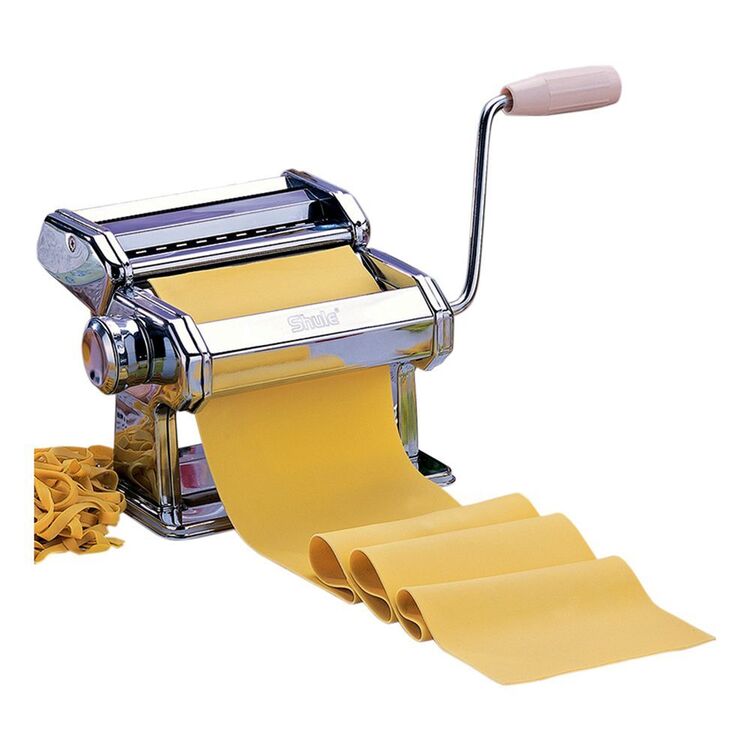
Why Stainless Steel? Unpacking Its Superiority
When you’re investing in a tool meant to last, material matters. A stainless steel pasta maker stands out from its counterparts for several compelling reasons.
Durability and Longevity
Stainless steel is renowned for its strength and resilience. Unlike aluminum or plastic models that might warp or degrade over time, a stainless steel pasta maker is built to withstand the rigors of frequent use. It’s an investment that pays dividends in years of delicious pasta, standing strong through countless batches of dough. Think of it as a culinary heirloom, ready to be passed down.
Rust Resistance and Hygiene
One of the greatest advantages of stainless steel is its inherent resistance to rust. This is crucial for kitchen equipment that comes into contact with moisture and food. Not only does it maintain its pristine appearance, but it also ensures superior hygiene. Stainless steel is non-reactive, meaning it won’t leach any unwanted chemicals into your delicate pasta dough, preserving the pure taste of your ingredients.
Ease of Cleaning and Maintenance
While we’ll dive into detailed cleaning tips later, it’s worth noting here that stainless steel is remarkably easy to clean. Its smooth, non-porous surface resists staining and makes wiping away flour and dough residue a breeze. This material choice significantly simplifies post-pasta cleanup, allowing you more time to savor your culinary creations.
Aesthetic Appeal and Timeless Design
Let’s be honest, we appreciate tools that not only perform well but also look good. A stainless steel pasta maker often boasts a sleek, polished finish that adds a touch of professional elegance to any kitchen countertop. Its timeless design means it won’t look outdated, making it a proud centerpiece for your homemade pasta endeavors.
Navigating the Options: Types of Stainless Steel Pasta Makers
The world of pasta makers offers a variety of mechanisms, each with its own charm. Stainless steel construction can be found across several types, ensuring durability regardless of your preferred style.
Manual Stainless Steel Pasta Makers: The Traditionalist’s Choice
For many, the manual, hand-cranked stainless steel pasta maker embodies the true spirit of pasta making. These machines offer a hands-on, almost meditative experience. You feed the dough through rollers, cranking a handle to gradually thin it, then switch to a cutter attachment for your chosen shape. They are often more compact and generally less expensive, making them an excellent entry point for aspiring pasta chefs who cherish the authentic process and desire more control over the dough. Models like the Marcato Atlas 150 or Imperia 150 are iconic examples, celebrated for their robust stainless steel build and consistent performance.
Electric Stainless Steel Pasta Makers: Modern Convenience
If time is of the essence or you simply prefer a more automated approach, an electric stainless steel pasta maker might be your perfect match. These machines typically feature a motor that handles the rolling and sometimes even the mixing and kneading of the dough. With the push of a button, you can achieve perfectly uniform pasta sheets and noodles with minimal effort. This frees up your hands, allowing you to guide the dough more easily as it transforms. They are ideal for busy individuals or those who make pasta frequently and value consistency and speed.
Stand Mixer Attachments: The Hybrid Solution
For those who already own a powerful stand mixer, a stainless steel pasta maker attachment offers a fantastic hybrid solution. These attachments connect directly to your mixer’s power hub, using its motor to drive the rollers and cutters. This means you get the electric convenience without needing a separate, bulky appliance. You’ll often find high-quality stainless steel attachments designed for popular stand mixer brands, providing an efficient way to roll and cut pasta while keeping your hands free to manage the dough.
Choosing Your Perfect Stainless Steel Companion
Selecting the right stainless steel pasta maker involves considering your personal cooking style, kitchen space, and desired features.
Thickness Settings: Precision in Every Strand
A crucial feature to look for is adjustable thickness settings. Whether you’re aiming for delicate, translucent sheets for ravioli or heartier, thicker noodles for pappardelle, your machine should offer a range of options. Most quality stainless steel pasta makers come with multiple settings, often ranging from 0 to 9 or 10, allowing you to customize your pasta’s texture and cooking time with precision. This adjustability is key to mastering various pasta types.
Attachments and Versatility
Think about the types of pasta you love most. While many stainless steel pasta makers come with standard attachments for spaghetti and fettuccine, some offer a wider array of cutters for shapes like tagliatelle, linguine, or even ravioli. Assess whether you want the versatility to experiment with different shapes or if you prefer to stick to the classics. Many manual machines also offer additional cutter attachments sold separately, allowing you to expand your pasta repertoire over time.
Stability and Build Quality
For a smooth pasta-making experience, stability is paramount. A good stainless steel pasta maker should feel solid and secure on your countertop. Manual models often come with a C-clamp to firmly attach them, preventing wobbling during cranking. For electric models or stand mixer attachments, assess the overall build quality and how securely they connect to their base, ensuring they can handle the resistance of rolling dough without shifting.
From Dough to Delight: A Step-by-Step Guide to Using Your Stainless Steel Pasta Maker
Making fresh pasta at home is surprisingly straightforward, especially with a reliable stainless steel pasta maker. Here’s a general guide to get you started:
Preparing Your Dough: The Foundation of Flavor
The journey begins with your dough. A basic pasta dough often consists of flour (Type 00 flour is often preferred for its fine texture, but all-purpose works too), eggs, a pinch of salt, and sometimes a touch of olive oil and water. Combine these ingredients until a stiff dough forms. Knead it on a lightly floured surface for 5-10 minutes until it’s smooth, elastic, and feels like Play-Doh. Wrap it tightly in plastic wrap and let it rest for at least 30 minutes to an hour at room temperature. This resting period allows the gluten to relax, making the dough easier to roll.
Rolling Perfect Sheets: The Art of the Roller
Once rested, flatten a small portion of your dough with your hands. Set your stainless steel pasta maker to its widest thickness setting. Pass the dough through the rollers. Fold the dough into thirds (like a letter) and pass it through again. Repeat this folding and rolling process on the widest setting 5-7 times. This helps to further knead the dough and create a smooth, even sheet. Then, gradually decrease the thickness setting, passing the dough through each setting once or twice until you reach your desired thinness. If the dough becomes sticky, lightly dust it with flour.
Cutting Your Masterpiece: Shaping Your Pasta
With your perfect pasta sheets ready, it’s time to cut them. If you have a cutter attachment, switch it out on your machine. Feed the pasta sheets through the appropriate cutter to create spaghetti, fettuccine, or whatever shape your heart desires. As the noodles emerge, catch them gently and lay them on a lightly floured surface or a pasta drying rack to prevent sticking. Cook fresh pasta almost immediately or let it dry for a short period.
Nurturing Your Investment: Care and Cleaning for Stainless Steel Pasta Makers
To ensure your stainless steel pasta maker serves you well for years, proper cleaning and maintenance are key. This is where stainless steel truly shines, but with a crucial caveat:
The Golden Rule: No Water Immersion
This is perhaps the most important rule: Do NOT wash your stainless steel pasta maker with water, submerge it, or put it in the dishwasher. While stainless steel is rust-resistant, prolonged exposure to water, especially in the intricate mechanisms of a pasta maker, can lead to rust in small parts and damage its internal components. Water can also mix with flour residue to create a sticky mess that’s incredibly difficult to remove.
Simple Steps for a Spotless Machine
Instead of water, follow these simple steps for effective cleaning:
- Detach Removable Parts: Remove the hand crank and any clamp or cutter attachments.
- Scrap Dough Cleanse: Roll a piece of scrap dough or even polymer clay through the rollers and cutters on various settings. This helps pick up any stray bits of dried pasta or flour. Discard this “cleaning dough.”
- Brush Away Residue: Use a dry, stiff-bristled brush (a pastry brush works well) or a wooden skewer to dislodge any stubborn flour or dough stuck in the rollers, cutters, or crevices. Compressed air can also be effective.
- Wipe Down: Use a clean, dry cloth to wipe down all exterior surfaces. If absolutely necessary, a barely damp cloth can be used on the exterior, but ensure you immediately follow up with a dry cloth to thoroughly dry everything.
- Thorough Drying: Allow all parts to air dry completely for at least an hour before reassembling or storing. This is vital to prevent any moisture-related issues.
Smart Storage for Longevity
Once clean and thoroughly dry, store your stainless steel pasta maker in a clean, dry place. Many come with their original boxes, which are excellent for dust-free storage. This simple habit will protect your machine and keep it ready for your next culinary adventure.
Beyond Spaghetti: A World of Pasta Shapes You Can Create
With a versatile stainless steel pasta maker, your options for homemade pasta are virtually limitless. Beyond the classic spaghetti and fettuccine, you can craft:
- Lasagna Sheets: Perfect for building rich, layered casseroles.
- Ravioli and Tortellini: Thin, delicate sheets ideal for stuffed pasta.
- Tagliatelle: Wider, flat noodles, excellent with creamy sauces.
- Pappardelle: Broad, flat ribbons that pair wonderfully with hearty meat sauces.
- Linguine: A slightly flattened spaghetti, great with seafood.
- Bucatini: A thick, hollow spaghetti that holds sauce beautifully.
“The beauty of a stainless steel pasta maker isn’t just its resilience, but the creative freedom it offers,” notes Chef Isabella Rossi, a renowned Italian culinary expert. “It empowers home cooks to explore a symphony of textures and shapes, turning simple ingredients into extraordinary meals.”
Pairing Perfection: Sauces That Elevate Your Homemade Pasta
Fresh, homemade pasta, especially from a stainless steel maker, has a unique texture and flavor that deserves to shine. Often, simpler sauces are best to complement rather than overpower it. Consider:
- Classic Marinara: A vibrant, fresh tomato sauce.
- Aglio e Olio: Garlic and olive oil, a deceptively simple yet flavorful choice.
- Pesto Genovese: Bright basil, pine nuts, Parmesan, and olive oil.
- Brown Butter Sage: A warm, nutty sauce perfect for stuffed pastas.
- Carbonara: Rich eggs, Pecorino Romano, guanciale, and black pepper.
Frequently Asked Questions (FAQ)
Q: Can I wash my stainless steel pasta maker with water?
A: No, it is strongly recommended not to wash your stainless steel pasta maker with water, submerge it, or put it in the dishwasher. Even stainless steel can develop rust in intricate parts, and water can cause dough to harden and become impossible to remove.
Q: How often should I clean my pasta maker?
A: You should clean your pasta maker after every use. This prevents dough and flour from drying and sticking, making subsequent cleanings much easier and ensuring your machine remains in optimal working condition.
Q: What kind of flour is best for homemade pasta?
A: “00” flour (doppio zero) is often preferred for its very fine texture, which results in a silky-smooth pasta. However, good quality all-purpose flour can also produce excellent results for homemade pasta. Some recipes also incorporate semolina flour for added texture and bite.
Q: How long does fresh pasta cook?
A: Fresh pasta cooks much faster than dried pasta, typically taking only 90 seconds to 6 minutes, depending on the thickness and shape. Always taste a piece to check for al dente perfection.
Q: Are stainless steel pasta makers worth the investment?
A: Absolutely! Given their exceptional durability, rust resistance, ease of cleaning, and the ability to produce delicious, fresh homemade pasta, a stainless steel pasta maker is a worthwhile investment for any home cook passionate about quality ingredients and culinary exploration.
Conclusion
Embracing a stainless steel pasta maker is more than just acquiring a new kitchen tool; it’s about unlocking a world of culinary possibilities. From its robust construction and hygienic properties to its elegant design, this machine offers unparalleled durability and performance. Whether you choose a manual model for a traditional touch or an electric one for modern convenience, the joy of creating fresh, authentic pasta at home is an experience unlike any other. So, roll up your sleeves, dust off your flour, and get ready to transform simple ingredients into edible art, one perfect strand at a time. Your journey to mastering homemade pasta, with the steadfast reliability of a stainless steel pasta maker, is just beginning.