There’s a certain magic in homemade pasta, a depth of flavor and a tender bite that simply can’t be replicated by store-bought varieties. It’s an experience that transcends mere sustenance, transforming a meal into an event, a connection to culinary tradition. If you’re ready to elevate your kitchen adventures and truly taste the difference, finding the Best Pasta Maker is your essential first step. This guide will walk you through everything you need to know, from the rich history of pasta making to selecting, using, and maintaining the perfect machine for your home.
The Enduring Allure of Homemade Pasta
Imagine fresh, silken strands of fettuccine, perfectly coated in a vibrant tomato sauce, or delicate ravioli bursting with a creamy filling. This isn’t a dream reserved for Italian nonnas or Michelin-star chefs. With the right pasta maker, this culinary delight is easily within your grasp. Homemade pasta allows for unparalleled freshness, giving you complete control over ingredients, ensuring a healthier meal free from preservatives and artificial additives. Beyond taste, the process itself is incredibly rewarding, a creative journey that brings joy to the kitchen and delicious results to the table.
A Journey Through Time: The Pasta Maker’s Origins
The story of pasta is as old as civilization itself, with evidence of pasta-like dishes tracing back to ancient times. While some popular legends credit Marco Polo with introducing pasta to Italy, its roots are much deeper in the Mediterranean. The Etruscans, as early as 400 BCE in Italy, were known to knead flour and water into dough, roll it thin, and sun-dry it. The ancient Greeks further refined the art, adding eggs to the dough for elasticity, while the Romans incorporated semolina for durability.
The development of dedicated pasta-making tools evolved over centuries. By the 17th century, rudimentary machines for producing pasta emerged in Naples, featuring early kneading machines and presses. The 18th and 19th centuries saw significant advancements, with watermills and stone grinders making pasta production more efficient and cost-effective. The invention of the rolling machine in the 19th century was a true revolution, making large-scale production possible and bringing pasta to a wider audience. Even American history boasts a notable connection: President Thomas Jefferson is credited with introducing the first macaroni machine to America in 1789 after his tenure as ambassador to France.
Why Every Kitchen Needs the Best Pasta Maker: Unveiling the Benefits
Owning a pasta maker is more than just acquiring a new gadget; it’s an investment in a richer, more flavorful culinary life. Here’s why it stands out:
- Unmatched Freshness and Flavor: The most significant advantage is the taste. Freshly made pasta has a superior texture and a more vibrant, nuanced flavor that simply can’t be matched by dried, packaged alternatives.
- Control Over Ingredients and Healthier Choices: When you make pasta at home, you dictate every ingredient. Use organic flours, enrich it with farm-fresh eggs, or even incorporate vegetables for added nutrients and color. This means no artificial preservatives, additives, or unwanted ingredients, offering a healthier option for you and your family.
- Culinary Versatility: A World of Shapes: A good pasta maker opens up a universe of pasta shapes. From classic spaghetti and fettuccine to wide lasagna sheets, delicate tagliatelle, or even intricate ravioli and tortellini (with the right attachments), your creative options are virtually limitless.
- Consistent Results, Every Time: Hand-rolling dough to an even thickness can be challenging. Pasta makers, particularly those with adjustable settings, ensure uniform sheets, which leads to consistent cooking and a perfectly al dente bite every time.
- Beyond the Basics: Fun and Creativity: Making pasta at home can be a delightful and engaging activity for the whole family. Experiment with different flours like semolina, whole wheat, or even gluten-free blends. Infuse your dough with herbs, spices, or natural colorings like beet juice or spinach puree to truly personalize your creations.
Deciphering Your Dough Partner: Types of Pasta Makers
When searching for the best pasta maker, you’ll primarily encounter two main categories: manual and electric. Each offers a distinct experience and caters to different cooking styles.
Manual Pasta Makers: The Traditionalist’s Choice
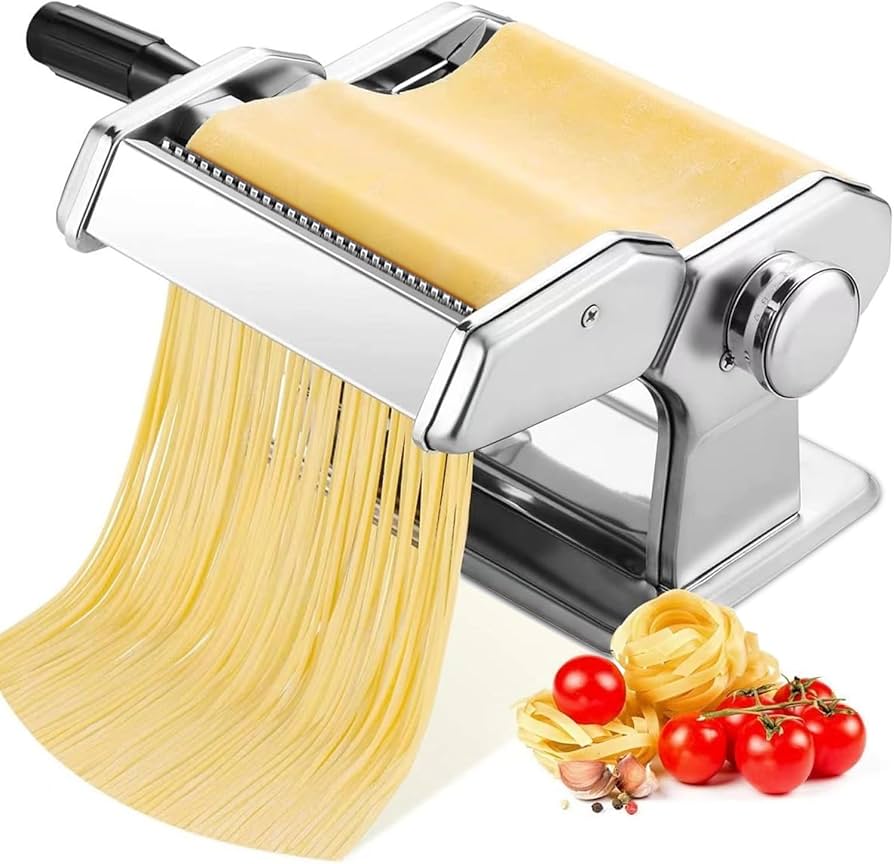
Manual pasta makers are the classic workhorses of homemade pasta. They typically feature a sturdy base that clamps to your countertop, with a hand crank that powers two rollers.
- How they work: You feed kneaded dough through the rollers, gradually decreasing the thickness setting with each pass until you achieve your desired sheet. Once rolled, you can pass the sheets through integrated cutters (often for spaghetti and fettuccine) or use them as-is for lasagna or ravioli.
- Pros: They offer precise control over the dough, a truly hands-on and traditional pasta-making experience, are generally more affordable, and are compact for storage. Popular models like the Marcato Atlas 150/180 and Imperia are renowned for their durability and performance.
- Cons: They require more physical effort and a free hand for cranking, which can be a learning curve for beginners.
Electric Pasta Makers: Embrace Modern Convenience
Electric pasta makers automate much of the process, making them a fantastic choice for those seeking speed and ease.
- How they work: Many electric models are extruders, meaning they mix, knead, and then push the dough through various dies to create different pasta shapes directly. Others are electric rollers that attach to a stand mixer, automating the rolling and cutting of sheets.
- Pros: They save significant time and effort, especially for larger batches. Models like Philips Pasta and Noodle Maker or KitchenAid stand mixer attachments offer convenience, often freeing up both hands to guide the pasta. They can also handle mixing and kneading, simplifying the entire process.
- Cons: They are typically pricier than manual models and can take up more counter or storage space. Extruder models may also require specific dough consistency for optimal results.
Extruders vs. Rollers: Understanding the Core Mechanism
It’s helpful to distinguish between the two primary ways pasta makers operate:
- Pasta Rollers: These machines (both manual and stand mixer attachments) flatten sheets of dough to varying thicknesses. You then use separate cutters or manually cut the sheets into shapes like fettuccine, tagliatelle, or lasagna.
- Pasta Extruders: These are typically electric machines that force dough through shaping discs (dies) to produce a variety of short and long pasta shapes like penne, macaroni, rigatoni, spaghetti, and bucatini.
Mastering Your Machine: Using Your Best Pasta Maker
Once you’ve chosen your pasta maker, it’s time to get cooking! While specific instructions vary by model, here’s a general guide to making basic pasta:
Preparing Your Dough
Start with a simple, firm dough made from flour (often semolina or ’00’ flour), eggs, and a pinch of salt. Knead it thoroughly until smooth and elastic, then let it rest for at least 30 minutes. This resting period allows the gluten to relax, making the dough easier to work with.
Rolling and Cutting Techniques
- Manual Machines: Divide your dough into manageable portions. Flatten a piece into a rough rectangle, then begin feeding it through the widest setting of your machine’s rollers. Fold the dough, lightly flour, and repeat several times. Gradually decrease the roller setting, passing the dough through each setting once or twice until you reach your desired thickness. For long pasta like fettuccine or spaghetti, attach the appropriate cutter and feed the thin sheets through.
- Electric Machines/Extruders: Follow your machine’s specific instructions for adding ingredients. Many electric extruders will mix and knead the dough before automatically pushing it through your chosen die. For stand mixer attachments, you’ll feed the kneaded dough through the motorized roller attachment, adjusting the thickness, then swap to the cutter attachment for shaping.
Tips for Perfect Pasta Every Time
- Don’t Over-Flour: Use just enough flour to prevent sticking. Too much flour will make the pasta dry and brittle.
- Work in Batches: Don’t try to roll out too much dough at once; it can dry out or become difficult to manage. Keep unused dough covered.
- Catch and Flour: As pasta emerges from the rollers or cutters, gently catch it and lightly dust with semolina or flour to prevent sticking.
- Boil Immediately or Dry: Fresh pasta cooks quickly! You can boil it right away or, for later use, dry it on a pasta rack or a floured surface.
Preserving Your Investment: Care and Maintenance for Your Pasta Maker
To ensure your best pasta maker lasts for years and consistently produces perfect pasta, proper care and maintenance are crucial.
Immediate After-Use Care
“A clean pasta maker is a happy pasta maker,” advises Chef Sofia Ricci, head of R&D at Pasta Perfezione. “Always tackle cleanup immediately after use, even if it’s just a quick brush-down. Dried dough is the enemy of smooth operation.” After each use, allow any residual dough on the machine to dry. It will then be easier to brush away.
The Do’s and Don’ts of Cleaning
- DO:
- Detach Removable Parts: Remove clamps, cranks, and cutter attachments.
- Brush Away Debris: Use a dry, soft brush (a pastry brush or even an old toothbrush works well) to remove flour and dried dough particles from rollers and cutters. A toothpick can help dislodge stubborn bits from crevices.
- Wipe Exterior: Use a slightly damp cloth to wipe down the exterior surfaces, but ensure no moisture gets into moving parts or the motor.
- Consider Polymer Clay: For manual machines, some users find rolling a piece of non-toxic polymer clay through the rollers helps pick up tiny dough fragments.
- DON’T:
- Never Immerse in Water: Most pasta makers (especially manual and electric ones with motors) should never be submerged in water. This can cause rust, damage electrical components, or warp materials.
- Avoid Dishwashers: The harsh detergents and high heat of a dishwasher can severely damage your machine.
- Steer Clear of Harsh Chemicals: Chemical cleaners can leave residues that transfer to your food.
- No Metallic Scrapers: Use wooden skewers or plastic tools to pry out stuck dough, never metal, which can scratch surfaces.
Deep Cleaning and Storage Secrets
Occasionally, a deeper clean may be necessary. For cutter attachments that disassemble (like some manual and stand mixer models), follow your manufacturer’s instructions for removing combs and rods for thorough cleaning with a brush or even cold water, ensuring all parts are completely dry before reassembly.
For storage, ensure every component is bone dry to prevent rust or mildew. Reassemble loosely to avoid tension on parts, and store your pasta maker in a cool, dry place, ideally in its original box or a protective cover, away from direct sunlight or heavy items.
Beyond Spaghetti: Pasta Shapes You Can Create
With the best pasta maker, your repertoire expands far beyond basic noodles.
- Long Pasta: Easily create delicate tagliatelle, wide pappardelle, classic fettuccine, and the foundation for layered lasagna. Many machines come with cutters for spaghetti and fettuccine.
- Stuffed Pasta: Thin pasta sheets are perfect for crafting exquisite ravioli, tortellini, and agnolotti, filled with cheeses, meats, or vegetables.
- Unique Shapes: Electric extruders are fantastic for shapes like penne, rigatoni, bucatini, and even macaroni, offering diverse textures for various sauces.
Pairing Perfection: Sauces for Your Homemade Creations
Homemade pasta deserves an equally exquisite sauce.
- Classic Tomato Ragu: A slow-simmered, rich tomato and meat sauce is heavenly with robust tagliatelle or pappardelle.
- Creamy Alfredo: The luscious, buttery, and cheesy sauce clings beautifully to fettuccine.
- Pesto and Fresh Herbs: A vibrant green pesto, or a simple toss with olive oil, garlic, and fresh herbs, perfectly complements thinner spaghetti or linguine.
- Aglio e Olio: This simple yet elegant sauce, made with garlic, olive oil, and chili flakes, is perfect with capellini or spaghetti.
Frequently Asked Questions About the Best Pasta Maker
What’s the main difference between manual and electric pasta makers?
Manual pasta makers are hand-cranked, offering a traditional, hands-on experience and precise control over dough thickness. Electric pasta makers automate the rolling and cutting (or mixing, kneading, and extruding) process, saving time and effort, making them more convenient, especially for larger batches.
Can I use gluten-free flour in a pasta maker?
Absolutely! Many pasta makers can handle gluten-free flours like rice, chickpea, or gluten-free blends. You may need to adjust the liquid content in your recipe to achieve the correct dough consistency, as gluten-free doughs can behave differently.
How often should I clean my pasta maker?
It’s best to perform a basic cleaning after every single use to prevent dough buildup. A deeper cleaning, involving disassembly of removable parts, should be done periodically, especially after frequent use or if you notice residue affecting performance.
Are pasta maker attachments for stand mixers worth it?
If you already own a powerful stand mixer, these attachments can be a fantastic investment. They offer the convenience of electric rolling and cutting without needing a separate motor, saving counter space and simplifying the process by leveraging your existing appliance.
What kind of pasta can I make with a basic manual machine?
A basic manual pasta maker typically allows you to make flat sheets of dough for lasagna, ravioli, or cannelloni, and comes with integrated cutters for spaghetti and fettuccine. Many brands also offer additional attachments for other shapes.
Is homemade pasta really healthier than store-bought?
Yes, generally. Homemade pasta allows you to control all ingredients, opting for high-quality flours, fresh eggs, and avoiding the preservatives, artificial colors, and excess sodium often found in commercially produced dried pasta.
How long does homemade pasta last?
Fresh homemade pasta can be cooked immediately. If you need to store it, it will last 1-2 days in the refrigerator (lightly floured and covered) or up to a month in the freezer. Dried homemade pasta, properly stored, can last for several weeks.
Elevate Your Culinary Journey with the Best Pasta Maker
Choosing the best pasta maker is an exciting step towards transforming your kitchen into a haven of fresh, authentic flavors. Whether you lean towards the hands-on tradition of a manual machine or the modern convenience of an electric model, the journey of making pasta from scratch is incredibly rewarding. It connects you to centuries of culinary history, empowers you with complete control over your ingredients, and promises truly unforgettable meals. So, roll up your sleeves, embrace the dough, and prepare to delight your taste buds with the unparalleled magic of homemade pasta.