Tired of the same old weeknight dinners? Longing for a creative culinary outlet that’s both healthy and exciting? Then it’s time to introduce yourself to the wonder of the Vegetable Pasta Maker. This ingenious kitchen gadget isn’t just a trend; it’s a gateway to a vibrant world of healthy, homemade “pasta” that can revolutionize your meals and invigorate your cooking.
Imagine savoring a hearty bowl of “spaghetti” made from zucchini, or delightful “fettuccine” crafted from sweet potatoes, all while enjoying incredible flavor and boosting your vegetable intake. A vegetable pasta maker, often referred to as a spiralizer or veggie noodle maker, is the tool that transforms ordinary produce into extraordinary, noodle-like strands, offering a guilt-free way to indulge in your favorite pasta dishes.
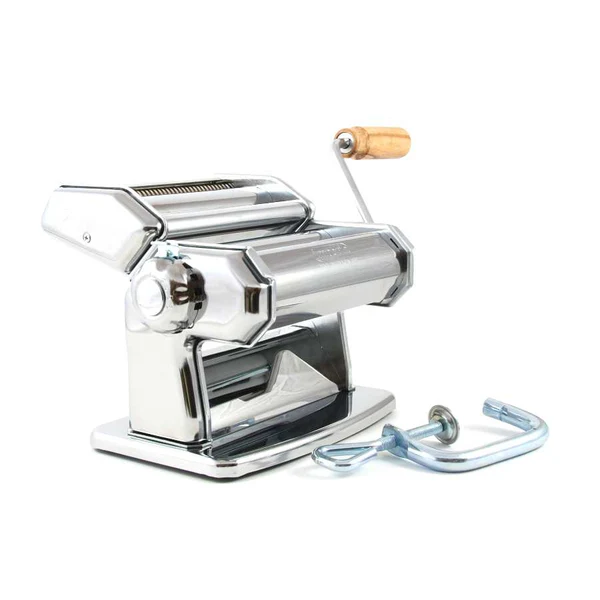
The Roots of Vegetable Noodling: A Modern Culinary Revolution
While traditional pasta boasts a rich history dating back centuries, the concept of transforming vegetables into noodle shapes is a more recent innovation, born from a growing desire for healthier, gluten-free, and low-carb meal alternatives. What started as niche culinary hacks using julienne peelers has evolved into a dedicated category of kitchen appliances. These “vegetable pasta makers” have swiftly gained popularity, making it easier than ever for home cooks to craft delicious, plant-based meals that mimic the texture and versatility of traditional pasta. They represent a harmonious blend of health consciousness and culinary creativity, bringing a fresh perspective to dinner tables worldwide.
Decoding the Different Types of Vegetable Pasta Makers
Just like traditional pasta comes in myriad shapes, so too do vegetable pasta makers come in various designs, each offering unique benefits and suiting different culinary needs. Finding the right one depends on your cooking style, the types of vegetables you plan to use, and the volume of “pasta” you intend to make.
Manual Handheld Spiralizers
Compact and budget-friendly, handheld models are perfect for occasional use and smaller vegetables like zucchini and cucumbers. They are easy to store and operate by twisting the vegetable against a blade. While convenient for quick meals, they can require more effort and are less suitable for tougher, larger produce.
Manual Countertop (Crank) Spiralizers
These are the workhorses for many veggie noodle enthusiasts. Mounted securely to your countertop with suction cups, they feature a hand crank and multiple interchangeable blades (typically three to seven) for various noodle shapes and thicknesses, from thin spaghetti to wide ribbons. They offer a good balance of versatility, efficiency, and affordability, handling firmer vegetables with relative ease.
Electric Spiralizers
For those who spiralize frequently or deal with large quantities of hard vegetables like sweet potatoes and butternut squash, an electric vegetable pasta maker is a game-changer. These machines automate the process, requiring less physical effort. Simply load the trimmed vegetable, select your blade, and let the motor do the work. They often come with larger hoppers and are ideal for busy cooks looking for maximum convenience.
Stand Mixer Attachments
If you own a stand mixer, you might find a spiralizer attachment to be an excellent addition. These attachments leverage the mixer’s power, making quick work of even the toughest vegetables. They offer consistency and can save countertop space if you already have the mixer base.
The Undeniable Benefits of Embracing a Vegetable Pasta Maker
Why should a vegetable pasta maker earn a coveted spot in your kitchen? The reasons are as plentiful as the noodles you can create!
- Boost Your Veggie Intake: This is perhaps the most compelling reason. Vegetable pasta makers effortlessly sneak more nutritious vegetables into your diet, often without you even realizing it. It’s a fun and appealing way to get your daily dose of greens and other colorful produce.
- Healthier Meal Alternatives: By substituting traditional grain-based pasta with vegetable noodles, you significantly reduce calories, carbohydrates, and gluten. For example, a cup of zucchini noodles contains approximately 40 calories and 8g of carbs, compared to 220 calories and 43g of carbs in a cup of spaghetti. This makes them ideal for low-carb, Keto, Paleo, gluten-free, and vegan diets.
- Quick and Easy Meal Prep: Vegetable noodles cook much faster than traditional pasta—often in minutes! This means less time waiting for water to boil and quicker meals on the table, perfect for busy weeknights.
- Versatility and Culinary Creativity: The possibilities are endless! Beyond just “spaghetti,” you can create ribbons for salads, curly fries, stir-fry noodles, and even unique ingredients for baked goods. It opens up a new world of culinary experimentation.
- Kid-Friendly Fun: Children are often more excited to eat vegetables when they come in fun, curly shapes. Watching vegetables transform into noodles can be an engaging activity that encourages healthy eating habits from a young age.
- Save Money: Making vegetable noodles at home is typically more cost-effective than buying pre-packaged veggie noodles from the grocery store.
- Retain Nutrients: Shorter cooking times for vegetable noodles mean more nutrients are preserved, contributing to a healthier meal.
How to Master Your Vegetable Pasta Maker: A Step-by-Step Guide
Using a vegetable pasta maker is surprisingly simple, but a few tips can ensure perfectly formed noodles every time.
- Choose Your Veggie Wisely: Firm, straight vegetables work best. Think zucchini, carrots, cucumbers, sweet potatoes, beets, and butternut squash. Avoid overly soft or irregularly shaped produce.
- Wash and Trim: Always wash your vegetables thoroughly. For most spiralizers, you’ll need to trim both ends of the vegetable to create flat, even surfaces. If a vegetable is too long (over 6 inches for handheld models), cut it in half.
- Select Your Blade: Your vegetable pasta maker likely comes with various blades for different noodle shapes (e.g., thin spaghetti, fettuccine, ribbons). Choose the one that suits your recipe.
- Secure the Vegetable:
- Handheld: Place the flat end of the vegetable against the blade and apply steady pressure while twisting clockwise.
- Countertop: Secure the machine to your counter (using suction cups if applicable). Position one flat end of the vegetable against the blade and the other end against the pronged disk. Turn the crank evenly.
- Electric: Trim veggies to fit the hopper, then press the pronged food pusher into the vegetable and place it in the spiralizer. Turn on the power and apply gentle, even pressure.
- Use the Food Holder: As you get to the end of the vegetable, use the provided food holder or pushing cap to protect your fingers from the blades and minimize waste.
- Collect Your Noodles: Watch as beautiful, uniform vegetable noodles emerge!
Maintaining Your Maker: Care and Cleaning Tips
Keeping your vegetable pasta maker in top shape ensures longevity and hygiene. Most models are designed for easy cleaning.
- Disassemble: For manual and many electric models, removable parts make cleaning simpler.
- Rinse Immediately: Rinse all blades and components under warm running water right after use to prevent food bits from drying and sticking.
- Use a Brush: A small cleaning brush (often included) is excellent for dislodging stubborn bits from blades.
- Dishwasher Safe: Many parts are dishwasher safe, offering maximum convenience. Always check your user manual for specific care instructions.
- Dry Thoroughly: Ensure all parts are completely dry before reassembling or storing to prevent rust on metal blades.
A World of Noodle Possibilities: Vegetables and Sauce Pairings
The beauty of a vegetable pasta maker lies in its ability to transform an array of produce into delightful “pasta.”
Popular Vegetable Noodles:
- Zucchini Noodles (Zoodles): The classic! Mild in flavor, they pair well with almost any sauce, from pesto to marinara.
- Sweet Potato Noodles: Slightly sweet and firm, excellent for heartier dishes, curries, or even curly fries.
- Carrot Noodles: Earthy and vibrant, great in Asian-inspired stir-fries or fresh salads.
- Butternut Squash Noodles: Sweet and tender when cooked, perfect with creamy sauces or roasted.
- Cucumber Ribbons/Noodles: Refreshing and crisp, ideal for cold salads, particularly with Asian or Mediterranean dressings.
- Beetroot Noodles: Striking in color and earthy in taste, fantastic in salads with a tangy vinaigrette.
Sauce Recipes to Elevate Your Veggie Pasta:
- Fresh Basil Pesto: A vibrant, herbaceous classic that complements the lightness of zucchini or cucumber noodles.
- Hearty Marinara or Ragu: Tomato-based sauces are a natural fit, especially for zucchini or sweet potato “spaghetti”.
- Creamy Avocado Sauce: A rich, dairy-free option that adds healthy fats and a smooth texture, wonderful with zoodles.
- Peanut or Tahini Sauce: Perfect for Asian-inspired dishes, pairing beautifully with carrot, cucumber, or daikon radish noodles.
- Greek Yogurt Alfredo: A lighter take on a creamy sauce, delightful with any vegetable noodle.
- Lemon Garlic Vinaigrette: A simple, bright dressing that enhances the natural flavors of spiralized vegetables in a salad.
“The versatility of a vegetable pasta maker means you’re never bored. Every vegetable offers a unique texture and flavor, inviting endless culinary exploration,” shares renowned food blogger Isabella Ricci.
Frequently Asked Questions About Vegetable Pasta Makers
Q: What vegetables are best for a vegetable pasta maker?
A: Firm, straight vegetables like zucchini, carrots, sweet potatoes, butternut squash, and cucumbers are ideal. Softer produce or those with large seed cavities may not spiralize as effectively.
Q: Can I make actual flour pasta with a vegetable pasta maker?
A: No, a dedicated vegetable pasta maker (spiralizer) is designed specifically for transforming vegetables into noodle shapes, not for rolling and cutting traditional flour-based pasta dough. Some traditional pasta makers might have attachments that can julienne, but a spiralizer’s primary function is for vegetables.
Q: Are vegetable noodles truly healthier than regular pasta?
A: Yes, vegetable noodles typically contain significantly fewer calories, carbohydrates, and gluten, while offering more fiber, vitamins, and minerals compared to traditional wheat pasta. They are an excellent choice for various dietary needs and for increasing your vegetable intake.
Q: How do I clean my vegetable pasta maker effectively?
A: Most vegetable pasta makers have dishwasher-safe components. For manual cleaning, rinse immediately after use under warm water, using a small brush to remove any stuck food bits from the blades. Ensure all parts are thoroughly dried before storage.
Q: Can children use a vegetable pasta maker?
A: With adult supervision, children can safely and enjoyably participate in the spiralizing process. It’s a fantastic way to encourage them to interact with and eat more vegetables.
The Final Twist: Embrace Your Vegetable Pasta Maker
The vegetable pasta maker is more than just a kitchen gadget; it’s an invitation to a healthier, more creative, and undeniably fun cooking experience. From quick weeknight meals to impressive dishes that delight both the palate and the eye, this tool empowers you to transform humble vegetables into exciting, nutritious “pasta.” So go ahead, embrace the twist, experiment with different vegetables and sauces, and discover the sheer joy of crafting perfect veggie noodles right in your own kitchen. Your taste buds, and your body, will thank you!